
Introduction
Games have been an essential part of human culture since ancient times. From chessboards carved in stone to digital realms powered by artificial intelligence, gaming has evolved into one of the most influential industries of the modern era. It is no longer just a source of entertainment—it is a medium for storytelling, learning, creativity, and global connection. Whether played on consoles, PCs, or smartphones, games have become a universal language that transcends borders and generations.
This blog explores the evolution of games, their impact on society, the psychology behind why we play, and how gaming continues to shape technology, culture, and creativity in the 21st century.
The Evolution of Gaming: From Simplicity to Immersion
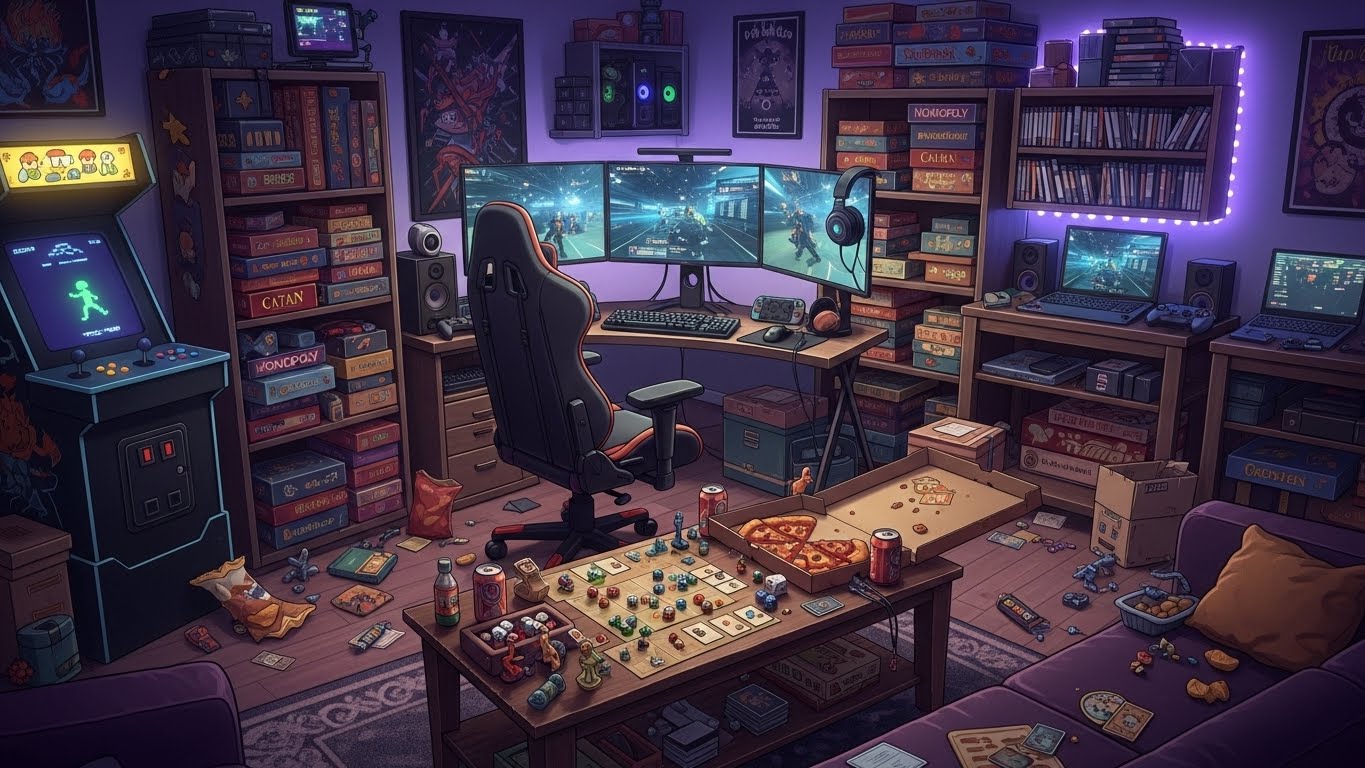
The journey of gaming began with simple ideas. Ancient civilizations played board and dice games to pass the time and sharpen their strategic thinking. These early forms of entertainment reflected humanity’s desire for challenge and competition. With the invention of computers, games took a new digital turn. The first video games were basic yet groundbreaking, such as pixelated tennis simulations and block-breaking puzzles that captured the imagination of millions.
By the 1980s and 1990s, the gaming world witnessed an explosion of creativity. Iconic titles introduced characters and worlds that became cultural legends. Consoles transformed living rooms into playgrounds of imagination. Each decade since then has brought new technological marvels—from 3D graphics and motion sensors to virtual and augmented reality—making games more immersive and lifelike than ever before.
Today, the boundaries between reality and digital play are almost indistinguishable. Players can explore vast open worlds, interact with characters powered by artificial intelligence, and even shape the outcomes of stories through their decisions. Gaming has evolved from simple fun into a deeply engaging experience that mirrors the complexity of real life.
The Psychology of Play: Why Humans Love Games
At the heart of gaming lies a fundamental human need—the desire for challenge, achievement, and discovery. Psychologists explain that games satisfy intrinsic motivations such as autonomy, mastery, and connection. When we play, our brains release dopamine, the chemical associated with reward and pleasure. Every level completed, goal achieved, or quest finished provides a sense of accomplishment that drives players to continue.
Games also serve as a form of escape. In a world filled with stress and uncertainty, gaming offers a safe environment to explore new identities and worlds. Players can become heroes, explorers, strategists, or creators, experiencing roles that might be impossible in reality. This escapism, however, does not disconnect people from life—it often rejuvenates creativity and problem-solving skills in the real world.
Moreover, gaming fosters social bonds. Online multiplayer experiences allow players from across the globe to collaborate, compete, and form friendships that sometimes last for years. The shared language of gaming transcends geography, culture, and even language barriers, proving that play is one of humanity’s oldest and most universal instincts.
Gaming as an Art Form
Modern games are no longer just products—they are artistic masterpieces. Developers now combine storytelling, music, design, and visual art to craft emotional experiences that rival movies and literature. Many games explore deep philosophical and emotional themes such as loss, courage, morality, and identity. Players are not mere spectators but active participants in these narratives, shaping outcomes through their actions and decisions.
Soundtracks and visuals in gaming have reached cinematic levels. Orchestral compositions, hand-drawn art styles, and realistic character animations bring games to life in breathtaking ways. Just as a painting or film can evoke emotion, so can a well-crafted game. It invites the player to feel empathy, excitement, and reflection—making it one of the most interactive art forms of our time.
The Social Dimension of Gaming
Gaming has evolved from a solitary pastime into a shared cultural phenomenon. Multiplayer games and online communities have turned digital platforms into spaces for collaboration, teamwork, and communication. Millions of players log in daily to engage in shared experiences, whether it is building cities, battling in fantasy worlds, or solving complex puzzles together.
These digital communities provide belonging and friendship. For many, online gaming is a way to connect with others who share similar interests. Players celebrate victories together, support each other during challenges, and even form lasting bonds beyond the screen.
Events such as international tournaments and conventions further highlight gaming’s social power. Competitive gaming has given rise to professional players, teams, and audiences that rival traditional sports in scale and enthusiasm. The sense of unity and excitement created by these events shows that gaming is more than a hobby—it is a shared passion that unites millions worldwide.
Educational and Cognitive Benefits of Gaming
Contrary to the stereotype that games are merely distractions, research shows they can enhance critical thinking, creativity, and cognitive flexibility. Strategy and simulation games, for example, teach players to plan ahead, manage resources, and make quick decisions under pressure. Puzzle games enhance problem-solving abilities, while role-playing games improve empathy by allowing players to see the world from different perspectives.
Educational institutions have also begun integrating game-based learning to make education more engaging. Interactive experiences can help students understand complex subjects like history, science, and mathematics through storytelling and problem-solving mechanics. Gaming encourages exploration, persistence, and experimentation—skills that are valuable in real-world learning and professional environments.
The Economic Power of the Gaming Industry
The gaming industry has grown into one of the most profitable sectors of entertainment, surpassing both film and music combined. This expansion has created vast opportunities for developers, designers, artists, and content creators. Independent studios can now reach global audiences through digital distribution, allowing creativity to flourish outside traditional corporate structures.
Beyond direct sales, gaming drives economic activity in related industries such as hardware manufacturing, streaming, esports, and merchandise. The rise of professional gaming has turned players into celebrities, attracting sponsorships, endorsements, and massive audiences.
Moreover, the industry continually pushes technological boundaries. The demand for better graphics, faster processors, and immersive experiences has accelerated innovation across computing, virtual reality, and artificial intelligence. In many ways, the growth of gaming has fueled advancements that benefit the entire tech world.
The Role of Technology in Shaping Modern Games
Technological progress lies at the core of gaming’s evolution. Artificial intelligence now powers smarter opponents and more responsive gameplay. Machine learning helps create dynamic worlds that adapt to player behavior. Meanwhile, cloud gaming enables users to access high-quality games without powerful hardware, expanding accessibility to millions worldwide.
Virtual reality and augmented reality have transformed how people interact with digital environments. Players can step into fully immersive worlds or blend digital elements with the real one around them. These technologies make gaming not just an activity but an experience that engages all the senses.
In addition, motion capture and 3D scanning have revolutionized character design, making virtual humans more realistic and expressive than ever before. The line between cinematic storytelling and interactive gameplay continues to blur, redefining what games can achieve artistically and emotionally.
The Challenges of Gaming Culture
While gaming offers countless benefits, it also faces challenges. Issues such as excessive screen time, addiction, and toxic online behavior have raised concerns. The competitive and fast-paced nature of some games can lead to unhealthy habits if not balanced with real-world responsibilities.
However, awareness and responsible gaming initiatives are helping address these concerns. Many platforms now include tools that allow players to manage their playtime, limit spending, and maintain balance. Developers are increasingly committed to creating inclusive, positive environments that encourage teamwork and respect.
Another challenge lies in representation. As the gaming community grows more diverse, so too must the stories and characters it features. Modern developers are taking steps to ensure games reflect a wider range of voices, cultures, and experiences, making the medium richer and more inclusive.
The Future of Gaming: Innovation Without Limits
The future of gaming promises endless possibilities. Artificial intelligence will continue to create smarter, more adaptive worlds. Virtual and augmented reality will make games even more immersive, blurring the boundaries between imagination and reality. Cloud technology will allow anyone, regardless of device or location, to enjoy high-quality gaming experiences.
Social and interactive storytelling will also redefine how players engage with narratives. Instead of watching stories unfold, players will shape them in real time, creating unique outcomes based on their choices. Furthermore, advances in haptic feedback and sensory technology will bring touch, movement, and emotion closer to reality.
Esports, streaming, and virtual communities will continue to grow, making gaming one of the most influential cultural movements of the modern age. As technology evolves, so will the creativity of developers and the passion of players, ensuring that gaming remains a driving force of innovation and imagination.
Conclusion
Games are more than entertainment—they are a reflection of human creativity, curiosity, and connection. From ancient board games to sprawling virtual worlds, gaming has always mirrored the spirit of exploration and invention that defines humanity. It brings people together, inspires imagination, and pushes the boundaries of technology and storytelling.
As we move deeper into the digital age, the influence of gaming will only continue to expand. It will inspire artists, educate learners, unite communities, and transform industries. The future belongs to those who play, create, and dream—and gaming is the stage where imagination meets reality.
In the end, games remind us that play is not just a pastime but a fundamental part of what it means to be human—a celebration of creativity, challenge, and the endless joy of discovery.