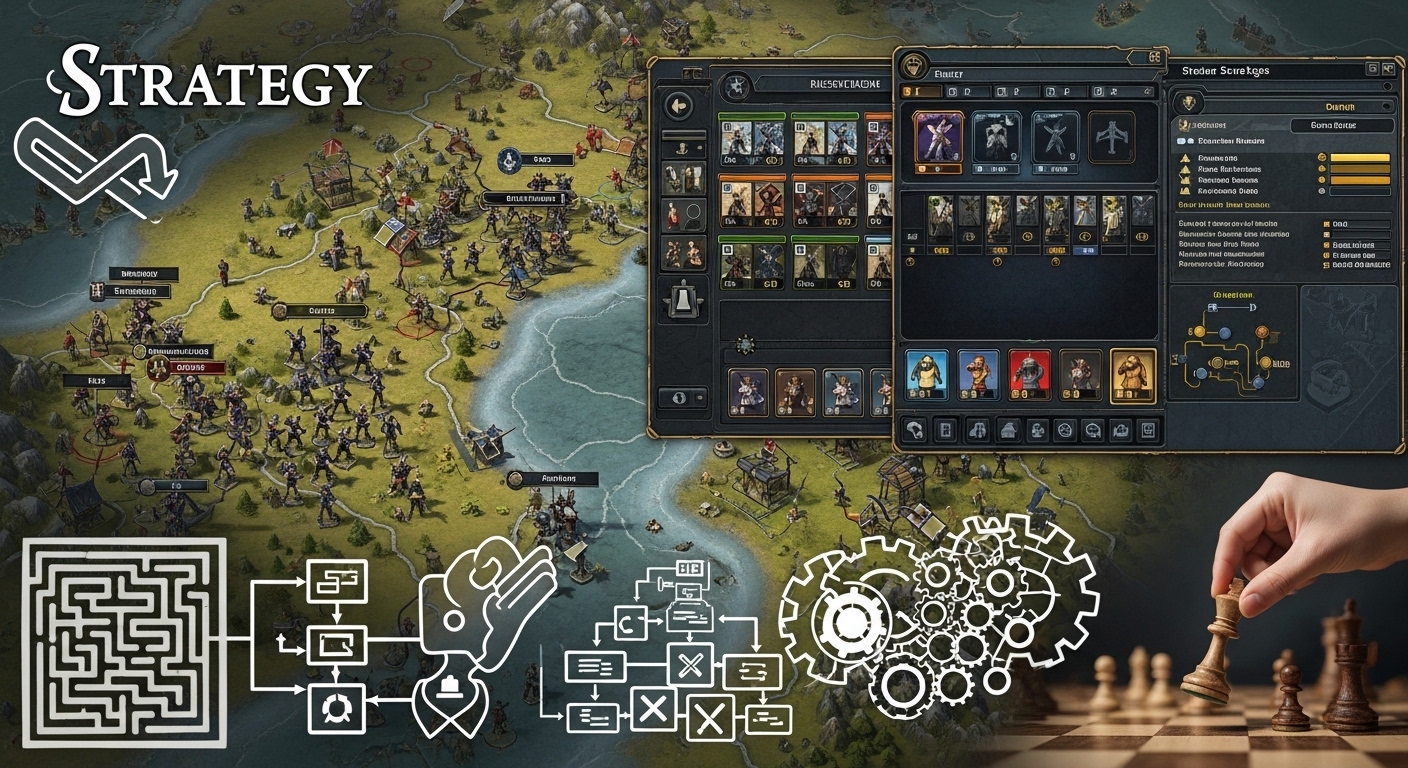

Games have been a central part of human culture for centuries, evolving from simple pastimes to complex forms of entertainment that engage, challenge, and connect people across the globe. From traditional board games to modern video games, interactive storytelling, and competitive esports, games offer more than just fun—they are a reflection of creativity, strategy, and social interaction. This blog explores the evolution of games, their cultural significance, technological impact, and how they continue to shape entertainment in the modern world.
The Origins of Games
Games are as old as human civilization itself. Archaeologists have discovered evidence of early games in ancient societies, such as the Royal Game of Ur in Mesopotamia, Senet in Egypt, and Mancala in Africa. These games were often more than mere entertainment; they served as tools for teaching strategy, critical thinking, and social cooperation.
Throughout history, games evolved alongside human culture. Chess, for example, originated in India and spread worldwide, becoming a symbol of strategy and intellect. Board games, card games, and outdoor games allowed people to interact, compete, and form communities, laying the foundation for modern gaming culture.
Traditional Games and Social Interaction
Traditional games, including board games, card games, and sports, have long been a way for people to connect socially. They provide opportunities for competition, collaboration, and communication, fostering relationships among players of all ages.
Board games like Monopoly, Scrabble, and Risk combine strategy and luck, offering both entertainment and mental stimulation. Card games such as poker, bridge, and rummy encourage social interaction and decision-making skills. Even physical games, including tag, hide-and-seek, and team sports, promote teamwork, coordination, and healthy competition.
The Rise of Video Games
The advent of computers and consoles in the late 20th century brought a revolutionary change in gaming. Video games transformed entertainment by combining storytelling, interactive gameplay, and technology. Early classics like Pong and Space Invaders laid the groundwork for what would become a massive industry.
Video games introduced new dimensions of interactivity. Players could explore virtual worlds, make decisions that influenced outcomes, and engage in immersive experiences that traditional games could not provide. The rise of gaming consoles and personal computers made video games accessible to millions worldwide, transforming them into a mainstream form of entertainment.
The Diversity of Modern Games
Today, games come in a wide variety of formats, catering to different tastes, skills, and interests. Role-playing games allow players to immerse themselves in complex narratives and develop characters over time. Strategy games challenge critical thinking and long-term planning. Puzzle games stimulate problem-solving skills and cognitive agility.
Sports simulations, racing games, and first-person shooters provide high-octane action and competition. Mobile games have further expanded the gaming landscape, offering instant access to entertainment on smartphones and tablets. The diversity of games ensures that there is something for everyone, from casual players seeking relaxation to competitive players seeking challenges.
Competitive Gaming and Esports
Esports has emerged as a significant segment of the gaming industry, turning competitive video gaming into a professional career. Esports tournaments attract millions of viewers worldwide, offering substantial prize money and sponsorship opportunities. Popular games such as League of Legends, Dota 2, Counter-Strike, and Fortnite have cultivated professional players and teams.
Competitive gaming requires rigorous training, strategic thinking, teamwork, and mental endurance. Players dedicate hours daily to perfecting skills, analyzing opponents, and developing strategies. The rise of esports demonstrates how games have transcended mere entertainment to become a recognized sport and cultural phenomenon.
The Role of Storytelling in Games
Narrative-driven games combine entertainment with immersive storytelling. Games like The Legend of Zelda, Final Fantasy, and The Witcher allow players to experience rich worlds, complex characters, and moral choices that influence the story. Storytelling in games creates emotional engagement, encouraging players to connect deeply with the characters and narrative.
Interactive storytelling also differentiates games from passive media like movies or television. Players’ choices impact outcomes, creating a sense of agency and personal investment. This interactive element enhances immersion and makes gaming a unique medium for storytelling.
The Technological Impact on Gaming
Technology drives the evolution of games. High-definition graphics, realistic physics, artificial intelligence, and advanced audio create immersive experiences. Virtual reality and augmented reality further blur the line between physical and digital worlds, allowing players to explore interactive environments in unprecedented ways.
Cloud gaming and online multiplayer platforms enable global connectivity, allowing players to compete and collaborate across continents. Mobile gaming has democratized access, making games available to anyone with a smartphone. Technological innovation ensures that games remain dynamic, engaging, and continuously evolving.
Social and Community Aspects of Gaming
Games are not just individual experiences—they foster social interaction and community building. Multiplayer games, online forums, and social media platforms allow players to communicate, collaborate, and share experiences. Players form friendships, participate in team competitions, and engage in global communities united by shared interests.
Gaming communities also provide support networks and cultural exchange. Players from different backgrounds can connect, share strategies, and celebrate achievements together. Social interaction is a core component of modern gaming, transforming solitary play into a collaborative and enriching experience.
Educational and Cognitive Benefits
Games offer more than entertainment; they provide educational and cognitive benefits. Strategy and puzzle games enhance problem-solving skills, memory, and critical thinking. Role-playing and simulation games teach planning, resource management, and decision-making. Multiplayer games develop teamwork, communication, and leadership abilities.
Educational games are increasingly used in classrooms and training environments, demonstrating the potential of games as tools for learning. By combining engagement with cognitive development, games serve as both entertainment and an avenue for personal growth.
The Economic Power of the Gaming Industry
The gaming industry is a significant economic force, generating billions of dollars annually. Revenue streams include game sales, in-game purchases, subscriptions, esports events, merchandising, and streaming. The industry also supports jobs in game development, design, marketing, event management, and content creation.
The growth of gaming has spurred investment in technology, innovation, and creative industries. As gaming becomes more mainstream, it continues to shape global entertainment markets and influence consumer behavior, demonstrating its broad economic and cultural significance.
Gaming and Mental Well-Being
Playing games has been shown to offer mental health benefits. Games can reduce stress, improve mood, and provide a sense of achievement and progression. Engaging in interactive gameplay also offers cognitive stimulation, enhancing focus, memory, and problem-solving skills.
Social gaming fosters connection and community, reducing feelings of isolation. While moderation is important, games serve as a valuable tool for relaxation, mental engagement, and emotional well-being in a fast-paced digital world.
Cultural Impact of Games
Games reflect and shape culture. They address social issues, explore historical contexts, and introduce diverse perspectives. Many games draw inspiration from myths, literature, and contemporary life, blending entertainment with cultural commentary.
Global accessibility allows games to act as cultural bridges, exposing players to ideas, traditions, and experiences from around the world. Gaming culture influences fashion, media, art, and even language, highlighting the powerful role of games in modern society.
The Future of Gaming
The future of gaming promises even greater innovation. Emerging technologies such as artificial intelligence, virtual reality, cloud gaming, and interactive storytelling will redefine player experiences. Games will become more immersive, personalized, and socially interconnected.
Esports will continue to grow as a professional and cultural phenomenon. Mobile gaming and casual gaming will expand the audience, while narrative-driven and simulation games will offer new dimensions of engagement. The continued evolution of gaming ensures its place as a central pillar of entertainment, culture, and social interaction.
Conclusion: Games as a Reflection of Human Creativity
Games are far more than leisure activities—they are a reflection of human creativity, culture, and connection. From ancient board games to modern video games and esports, they offer opportunities for social interaction, cognitive growth, and immersive entertainment. Games engage the mind, foster community, and provide emotional and psychological benefits, making them an essential aspect of modern life.
As technology advances and the gaming landscape continues to evolve, games will remain a dynamic and transformative force in entertainment. They reflect our desire for challenge, connection, and creativity, shaping not only how we play but also how we interact with the world and with each other.