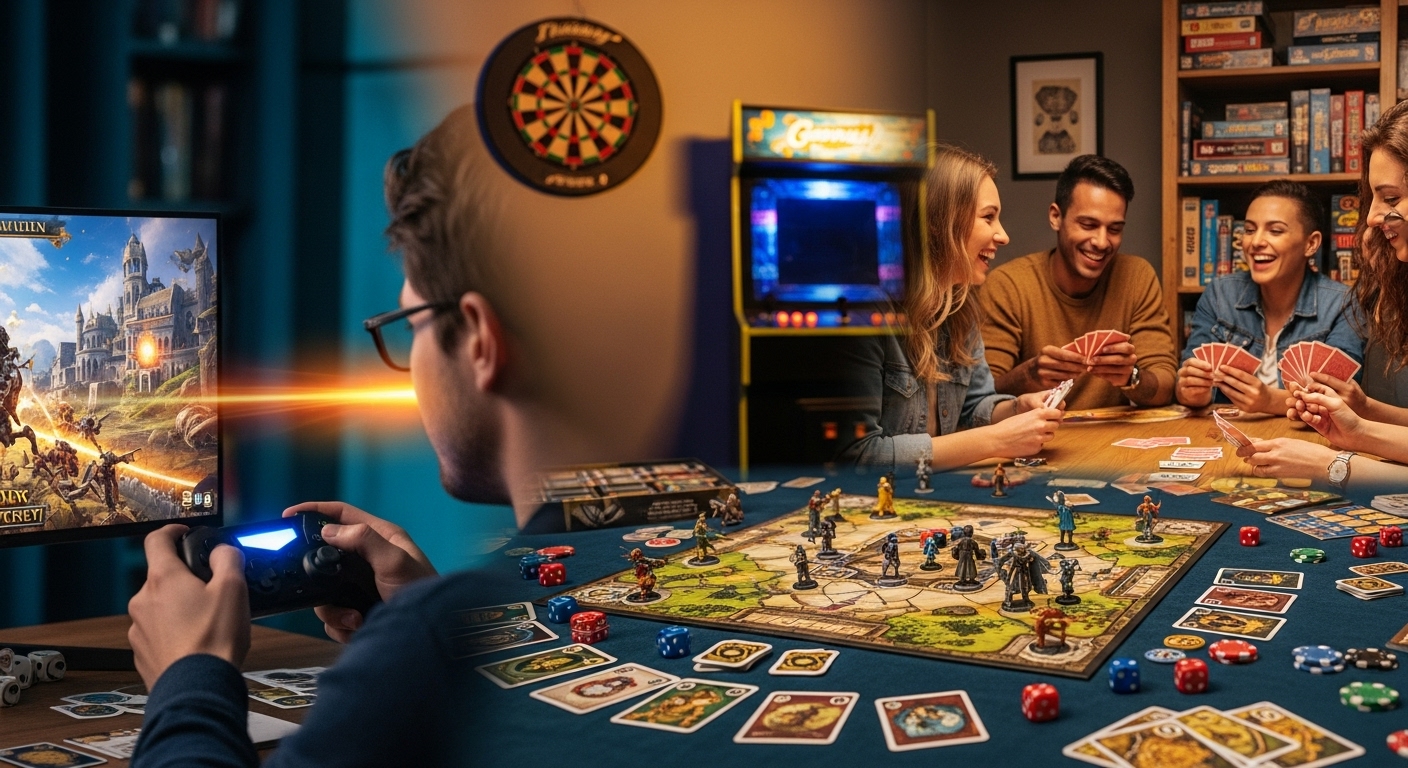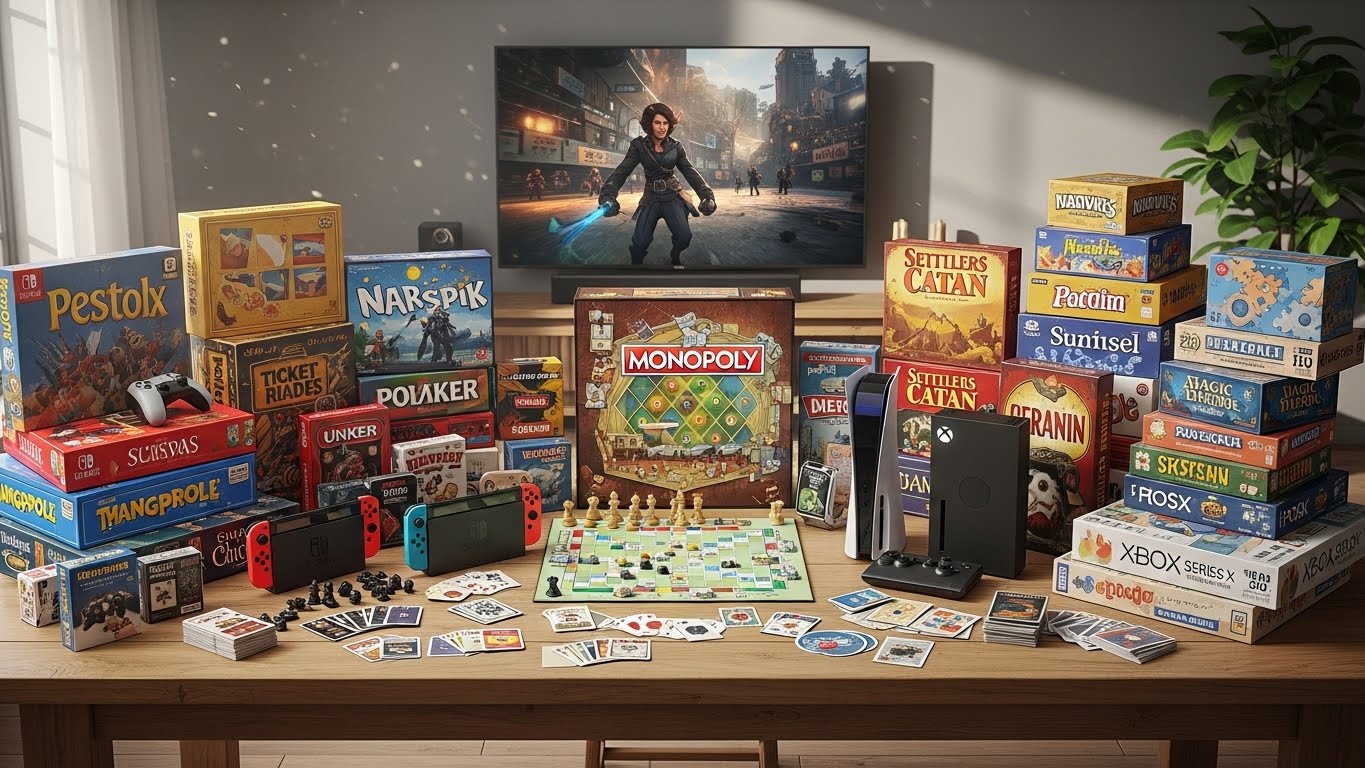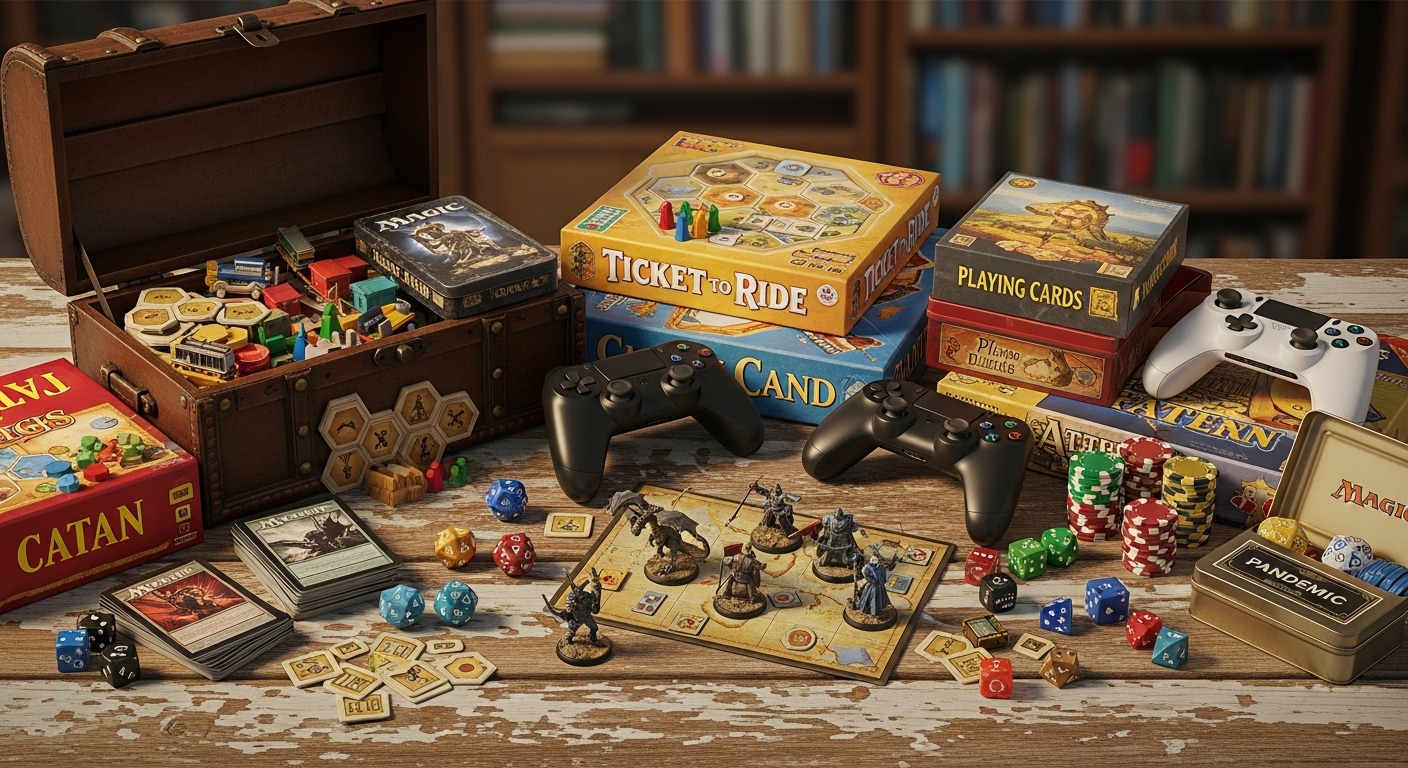
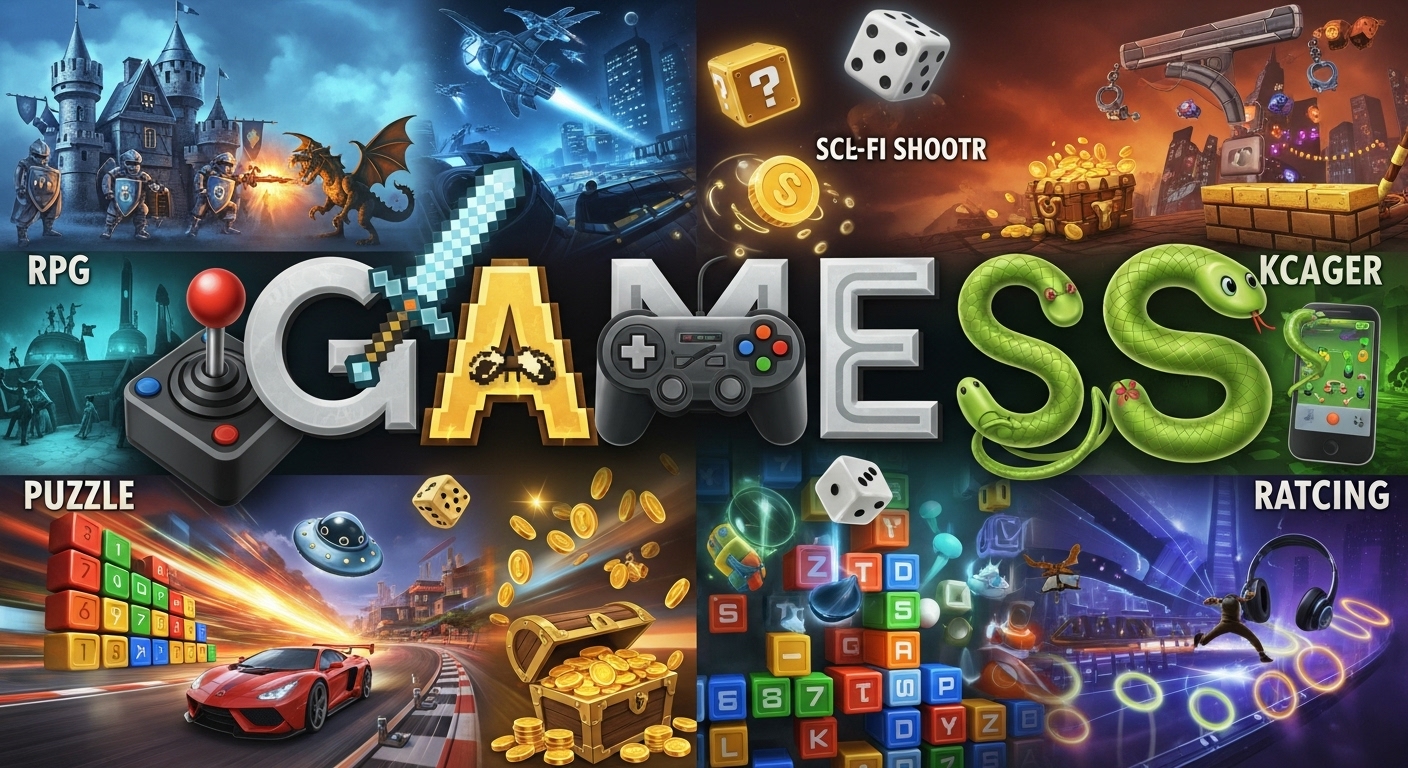
Games are a fundamental part of human culture, offering more than just entertainment—they provide opportunities for social interaction, intellectual engagement, and emotional growth. Whether it’s a traditional board game passed down through generations, an online multiplayer battle royale, or an immersive single-player experience, games shape how we interact with the world and each other. This blog takes you on a journey through the evolution of games, examining their historical roots, their role in modern culture, and the powerful impact they have on society today.
The Ancient Origins of Games
The concept of games is as old as human civilization. Early games, many of which still exist in some form today, date back thousands of years. Games were not merely for fun—they served educational and social purposes, offering players a way to develop skills like strategy, memory, and collaboration. Some of the earliest known games include the Royal Game of Ur from ancient Mesopotamia and Senet from ancient Egypt, which were played by both royalty and commoners.
These early games often had a spiritual or ceremonial significance. For example, Senet was believed to have been a game of fate, where players moved pieces based on chance or divine intervention. These games laid the foundation for the development of more complex game mechanics that would evolve over centuries.
As societies developed, games became a way for people to interact socially. Board games like chess and Go became symbols of intellectual prowess, with players competing not just for fun but to prove their strategic thinking and problem-solving abilities.
The Rise of Modern Games
While traditional games have stood the test of time, the 20th century brought about a new era of gaming—one driven by technology. The advent of computers and video game consoles in the 1970s and 1980s revolutionized the gaming landscape, introducing entirely new ways to play. Early video games like Pong and Space Invaders captured the public’s imagination, offering a novel form of entertainment that merged technology and creativity.
These games were simple by today’s standards, but they sparked a revolution. As technology improved, so did the complexity and depth of games. By the 1990s, video games had become more than just a form of entertainment—they were an industry, generating billions of dollars in revenue. Games like Super Mario Bros., The Legend of Zelda, and Street Fighter helped establish video games as a mainstream hobby enjoyed by people of all ages.
The Impact of Technology on Gaming
The rapid advancement of technology over the past few decades has dramatically shaped the gaming experience. From the early days of arcade machines to the immersive, lifelike graphics of today’s games, technology has continually pushed the boundaries of what games can offer. The transition from 2D to 3D graphics in the 1990s was one of the most significant milestones in gaming, enabling developers to create rich, visually stunning environments that allowed players to feel truly immersed in the game world.
Today’s games are powered by powerful graphics engines, artificial intelligence, and online multiplayer capabilities that enable seamless experiences for millions of players around the world. Whether it’s an open-world role-playing game or a fast-paced competitive shooter, modern games are more complex, interactive, and realistic than ever before.
The Social Aspect of Gaming
One of the most profound changes in gaming in recent years has been the rise of online multiplayer games. From the early days of online games like Quake and Warcraft to the modern phenomenon of games like Fortnite, League of Legends, and PUBG, online gaming has transformed from a niche hobby to a global cultural movement.
Multiplayer games offer players the opportunity to connect with others around the world, forming communities, friendships, and rivalries. These online communities are diverse, often bringing together people from different cultures, backgrounds, and experiences. The social aspect of gaming has become so important that platforms like Twitch and YouTube Gaming have turned gaming into a spectator sport, where players and viewers interact in real time.
Moreover, esports has emerged as a legitimate profession, with competitive gaming tournaments offering millions of dollars in prize money. Professional esports players are now treated as athletes, with dedicated fans, sponsorships, and even team ownerships.
The Rise of Mobile Gaming
Another key development in the evolution of games is the rise of mobile gaming. With the proliferation of smartphones and tablets, gaming has become more accessible than ever before. Mobile games like Candy Crush, Clash of Clans, and Pokémon GO have captivated millions of players, making gaming accessible to anyone with a smartphone. Mobile gaming has also democratized the gaming world, allowing people from all walks of life and economic backgrounds to experience games that were once limited to those with access to consoles or PCs.
Mobile gaming’s accessibility has also led to the rise of casual gaming—games that are easy to pick up and play for short sessions, making them ideal for busy individuals or those with little experience in traditional gaming. These casual games can range from puzzle games to simple strategy games, and their success has had a significant impact on the broader gaming industry.
The Role of Narrative in Gaming
While gameplay mechanics and graphics are often the primary focus of games, narrative has become an increasingly important aspect of modern gaming. Games like The Last of Us, Red Dead Redemption 2, and BioShock showcase the power of storytelling in video games, with plots that rival those found in books and movies.
Narrative-driven games allow players to engage with the story on a deeper level, making decisions that affect the outcome of the game. These games often explore complex themes such as morality, identity, and social issues, making them not only a source of entertainment but also a platform for cultural dialogue.
The blending of narrative and gameplay creates a unique form of interactive storytelling that can leave a lasting impact on players. Unlike movies or books, games allow players to become part of the story, making choices that directly influence the narrative and the fate of the characters.
The Psychological Benefits of Gaming
Games are often seen as a form of escapism, providing players with an opportunity to step away from the stresses of daily life and immerse themselves in a different world. However, the psychological benefits of gaming extend beyond simple relaxation. Games can improve cognitive abilities, enhance problem-solving skills, and foster creativity.
Research has shown that games can help improve memory, attention span, and decision-making abilities. Puzzle games, strategy games, and role-playing games all require players to think critically and plan ahead, which can translate to real-world skills. Additionally, games that involve social interaction and teamwork can improve communication and cooperation, fostering important social skills.
Gaming also provides a sense of achievement. Completing a difficult level, earning a trophy, or winning a match can boost self-esteem and give players a sense of accomplishment. For some, games offer a safe space to experience success and overcome challenges, which can have a positive impact on mental well-being.
Gaming and the Future of Entertainment
Looking to the future, gaming is poised to continue evolving and shaping the entertainment landscape. The rise of virtual reality (VR) and augmented reality (AR) offers the potential for even more immersive gaming experiences, where players can physically interact with the virtual world in ways that were previously unimaginable.
Cloud gaming is another exciting development, allowing players to stream games directly from servers without the need for powerful hardware. This could make high-quality gaming more accessible to a broader audience, regardless of their location or device.
Moreover, as artificial intelligence continues to advance, games will become even more responsive and dynamic. AI could lead to smarter NPCs (non-playable characters) and more realistic game worlds, where the actions of players truly shape the environment around them.
Conclusion: Games as a Cultural Force
Games have come a long way since their humble beginnings. From ancient board games to today’s complex video games and mobile apps, games have evolved in ways that reflect the changing world around us. They are no longer just a form of entertainment; they are a powerful cultural force that influences how we socialize, learn, and experience the world.
As technology continues to advance, the future of gaming looks incredibly bright. Whether it’s through enhanced graphics, new gameplay mechanics, or immersive virtual worlds, games will continue to push the boundaries of what’s possible. But one thing will remain constant: games will always be a means of connecting people, sparking creativity, and providing a platform for self-expression and fun.