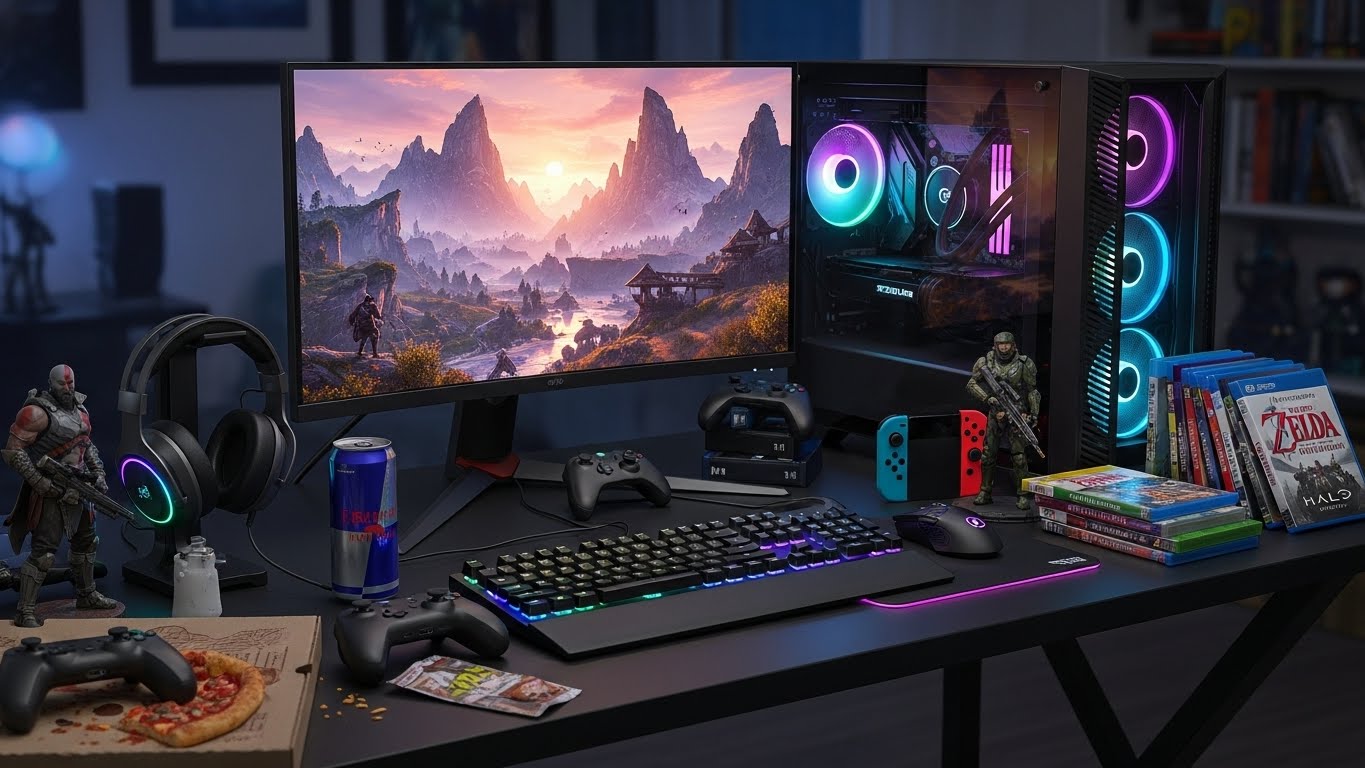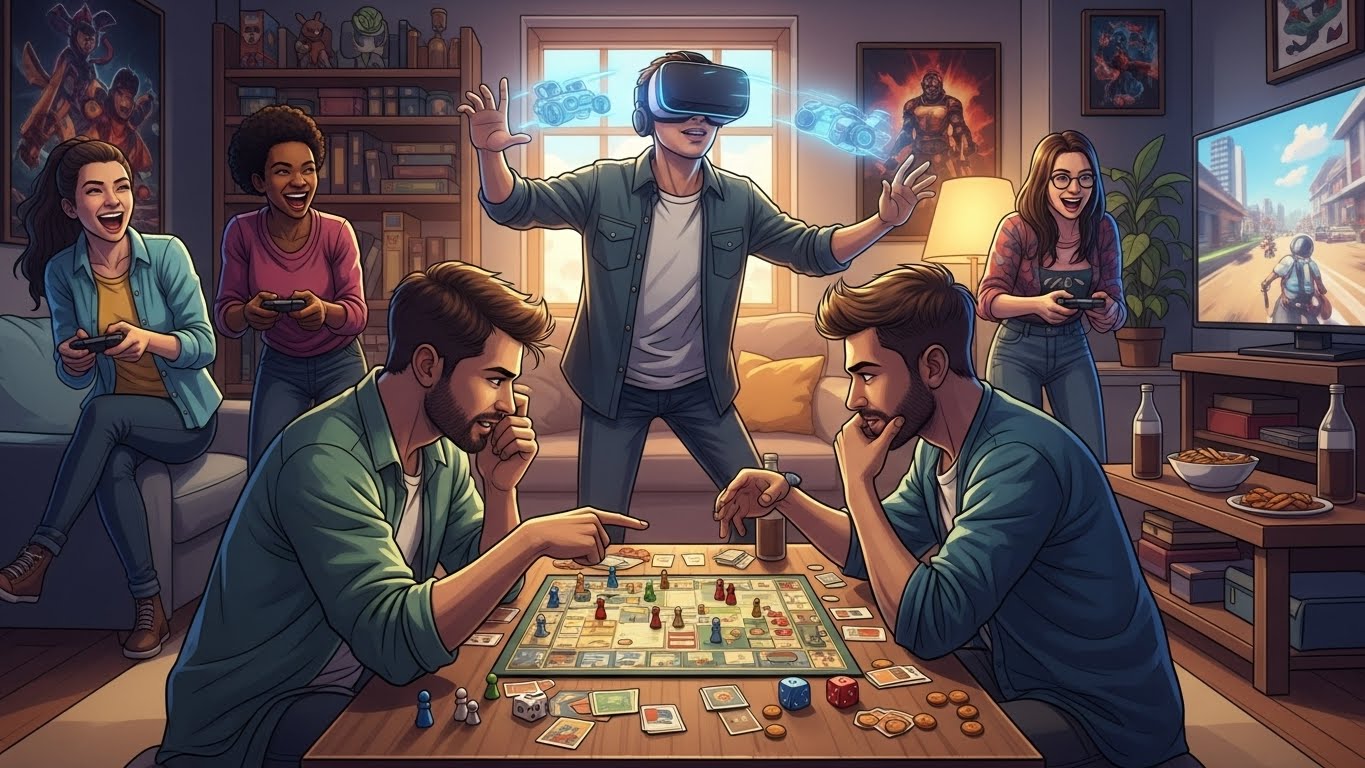
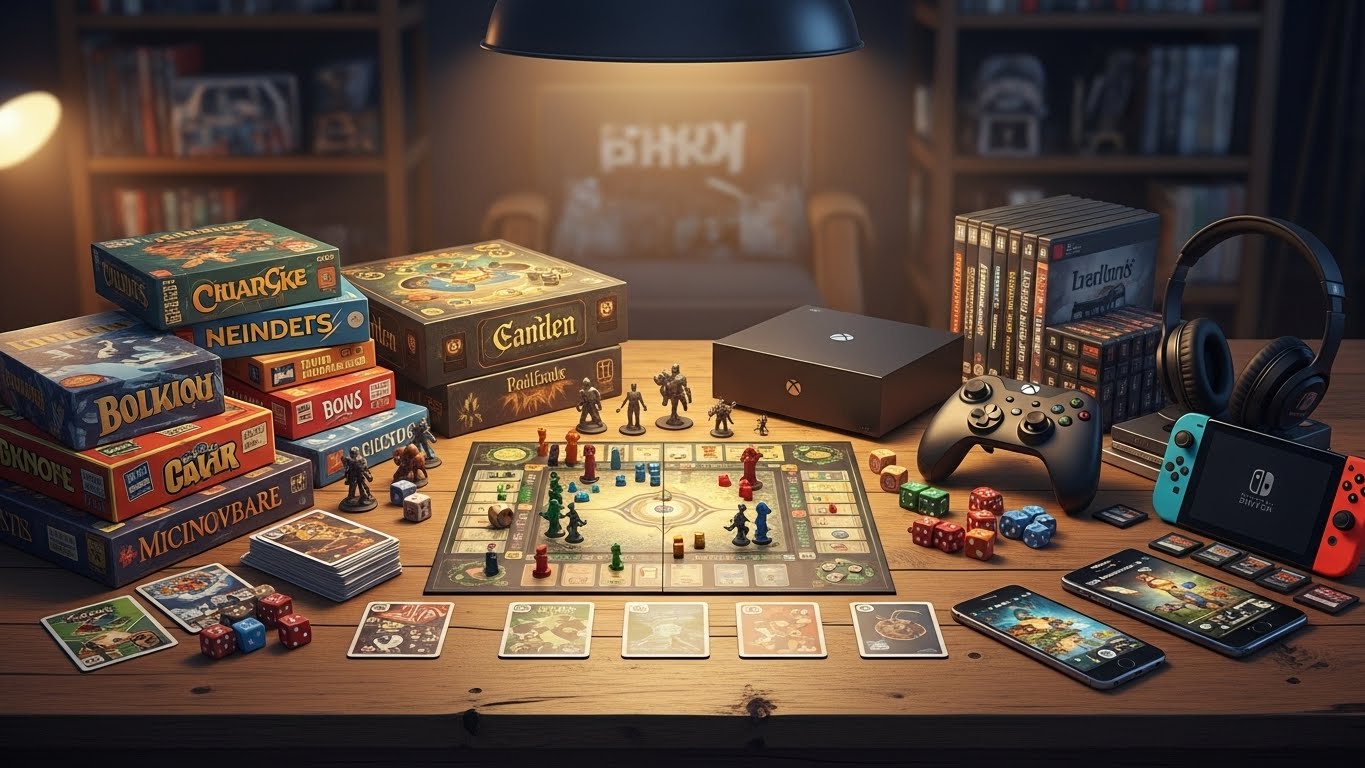
Games have always been an integral part of human culture, offering entertainment, challenge, and social interaction. From ancient board games like chess and dice to the sophisticated digital experiences of today, the evolution of games reflects the advancement of technology, creativity, and social dynamics. The gaming world is no longer just about recreation; it’s become an industry worth billions, a platform for socializing, and an artistic medium that tells stories and creates immersive worlds.
This blog explores the fascinating world of games—how they have evolved, the impact they’ve had on society, and where they might be headed in the future. Whether they’re played on a smartphone, a console, or a board, games continue to captivate and inspire people worldwide.
The Origins of Games: A Historical Overview
Games have been a part of human civilization for thousands of years. Early games served as tools for both education and entertainment. The oldest known board game, Senet, dates back to ancient Egypt around 3100 BCE. It was played on a grid of 30 squares and was both a leisure activity and a spiritual game, believed to have had symbolic meaning in Egyptian mythology.
Similarly, chess—believed to have originated in India around the 6th century CE—has a rich history and continues to be one of the most popular games in the world. Its strategic depth and complexity have made it not just a pastime but also an intellectual pursuit, with world championships and professional players. Dice games, ancient ball games, and other primitive games, from ancient civilizations to medieval societies, all laid the groundwork for the modern gaming landscape.
In parallel with board games, competitive sports began to develop as an outlet for physical and social engagement. The ancient Greeks introduced the Olympic Games, and other cultures followed with their own versions of competitive athletics. These physical games were pivotal in shaping how games were understood as a blend of skill, strategy, and competition.
The Rise of Video Games: A New Era in Entertainment
The 20th century marked a transformative period for games, with the rise of electronic and video games. The first commercially successful video game, Pong, was created by Atari in 1972. This simple yet addictive game involved two paddles and a ball, which would bounce off the screen, with players trying to score points by bouncing the ball past their opponent.
The introduction of the arcade game revolutionized gaming, bringing the experience of digital gaming into public spaces. In the 1980s, classics like Pac-Man, Space Invaders, and Donkey Kong became cultural icons, marking the beginning of the video game industry’s golden age. These arcade games not only served as a form of entertainment but also introduced new social dynamics, as players gathered in arcades to compete and share in the experience.
Meanwhile, home consoles were making their own impact. The Atari 2600, released in 1977, brought gaming to people’s living rooms, followed by the Nintendo Entertainment System (NES) in the mid-1980s. The 8-bit graphics and simple gameplay of early home consoles laid the foundation for a rapidly growing industry. As technology advanced, so did the complexity of games, with more sophisticated storylines, 16-bit graphics, and, eventually, 3D environments.
The Golden Age of RPGs and Action Games
In the 1990s, video games began to evolve in significant ways. One of the most influential genres to emerge during this period was the Role-Playing Game (RPG). Games like Final Fantasy VI, Chrono Trigger, and The Elder Scrolls: Arena introduced complex narratives, character development, and world-building that had never been seen before in games. These RPGs gave players agency, allowing them to shape the outcomes of their characters’ journeys.
At the same time, action-adventure games like The Legend of Zelda: Ocarina of Time and Super Mario 64 brought players into fully immersive 3D worlds. These games blended puzzle-solving, platforming, and combat into cohesive experiences, setting the stage for modern action games like Grand Theft Auto, The Witcher 3, and The Last of Us.
The 1990s also saw the rise of first-person shooters (FPS), with games like Doom and Quake pushing the boundaries of 3D graphics and multiplayer gaming. The popularity of these games paved the way for franchises like Halo, Call of Duty, and Counter-Strike, which dominated both the competitive gaming scene and the home gaming market.
The Emergence of Online and Multiplayer Gaming
As internet connectivity expanded, gaming entered a new era. The early 2000s witnessed the rise of massively multiplayer online role-playing games (MMORPGs) like World of Warcraft, where millions of players could connect and explore expansive virtual worlds together. The success of World of Warcraft demonstrated the potential for online multiplayer experiences, and soon after, other games like Guild Wars, EVE Online, and The Elder Scrolls Online followed suit.
Online gaming also introduced competitive play, with games like Counter-Strike and League of Legends creating global player communities. The rise of esports, where professional players compete in organized tournaments, transformed video gaming into a spectator sport. Games like Dota 2, Overwatch, and Fortnite attracted millions of viewers worldwide, leading to the creation of esports leagues, sponsorships, and large-scale tournaments.
In addition to PC and console gaming, mobile gaming exploded in popularity with the rise of smartphones and tablets. Casual games like Angry Birds, Candy Crush Saga, and Clash of Clans became immensely popular, democratizing gaming and making it accessible to people who might not have previously considered themselves gamers. Mobile games are now among the highest-grossing games worldwide, thanks to their accessibility, ease of play, and microtransaction models.
The Rise of Indie Games and Creative Innovation
In the 2010s, the gaming industry witnessed a renaissance of creativity, largely driven by the indie game movement. Independent developers, often working with small budgets and teams, began creating unique and innovative games that pushed boundaries in terms of storytelling, gameplay mechanics, and art design. Games like Undertale, Hollow Knight, and Celeste gained massive popularity due to their fresh approaches to game design and narrative.
Platforms like Steam and Itch.io provided indie developers with the tools to distribute their games to a global audience, bypassing traditional publishing routes. This created a vibrant indie gaming community where developers could experiment with new ideas without the constraints of major publishers.
Indie games often focus on artistic expression and unconventional gameplay experiences. For example, Journey is an emotionally evocative game that emphasizes exploration and visual storytelling over combat, while Papers, Please challenges players to make morally complex decisions as an immigration officer in a dystopian world.
The Role of Games in Modern Society
Today, games are no longer seen solely as a form of entertainment. They have become an essential part of modern culture, education, and even work. The role of gaming in society is multifaceted, and its influence extends beyond simply playing for fun.
Games as Educational Tools
Many educators have embraced games as a way to engage students and enhance learning. Educational games like Minecraft Education Edition and Kerbal Space Program offer fun and interactive ways to learn about subjects like history, mathematics, and science. Gamification, the application of game mechanics to non-game contexts, has also been used in classrooms and workplaces to increase motivation and productivity.
Games as Social Platforms
Modern games are increasingly social, with many providing platforms for players to connect with one another. Games like Fortnite and Apex Legends enable players to team up and collaborate across geographic boundaries. In addition, many games feature social spaces where players can chat, trade, and interact in real time. These spaces have become virtual communities, where friendships are formed, and collaborations are nurtured.
Games as Cultural Influences
Games have also become an important cultural influence, shaping and reflecting social trends and issues. The characters and narratives in games can represent diverse perspectives, making them a powerful tool for social commentary. Games like The Last of Us address themes of survival, loss, and human connection, while others, such as Detroit: Become Human, explore issues of artificial intelligence, autonomy, and civil rights.
The impact of games on popular culture is undeniable. From the music of game soundtracks to the creation of iconic characters like Mario, Sonic, and Lara Croft, games have left an indelible mark on society. The growth of gaming influencers and content creators on platforms like YouTube and Twitch has also added to the cultural significance of gaming, as these individuals engage millions of fans with gameplay, commentary, and live-streamed events.
The Future of Games: Innovations on the Horizon
As technology continues to advance, the future of gaming looks incredibly exciting. Virtual reality (VR) and augmented reality (AR) are already changing the way we experience games, offering fully immersive environments that allow players to interact with virtual worlds in a way that feels natural. In the coming years, we can expect to see even more realistic VR experiences, along with AR games that blend the virtual and physical worlds.
Cloud gaming, where games are streamed directly to devices without the need for powerful hardware, is also on the rise. Services like Google Stadia and Microsoft xCloud are allowing gamers to play high-quality games on smartphones, tablets, and even low-end PCs. This could help democratize gaming, making it accessible to people who might not be able to afford expensive gaming consoles or PCs.