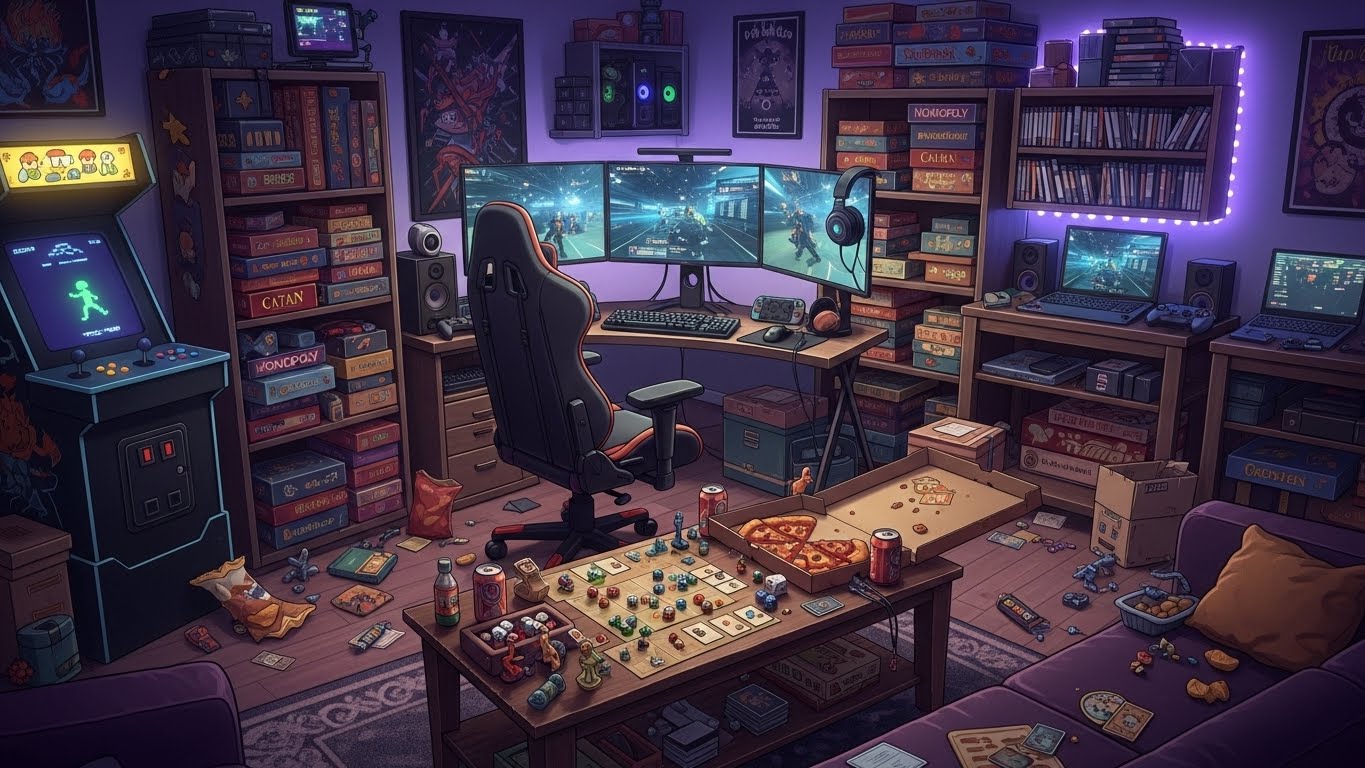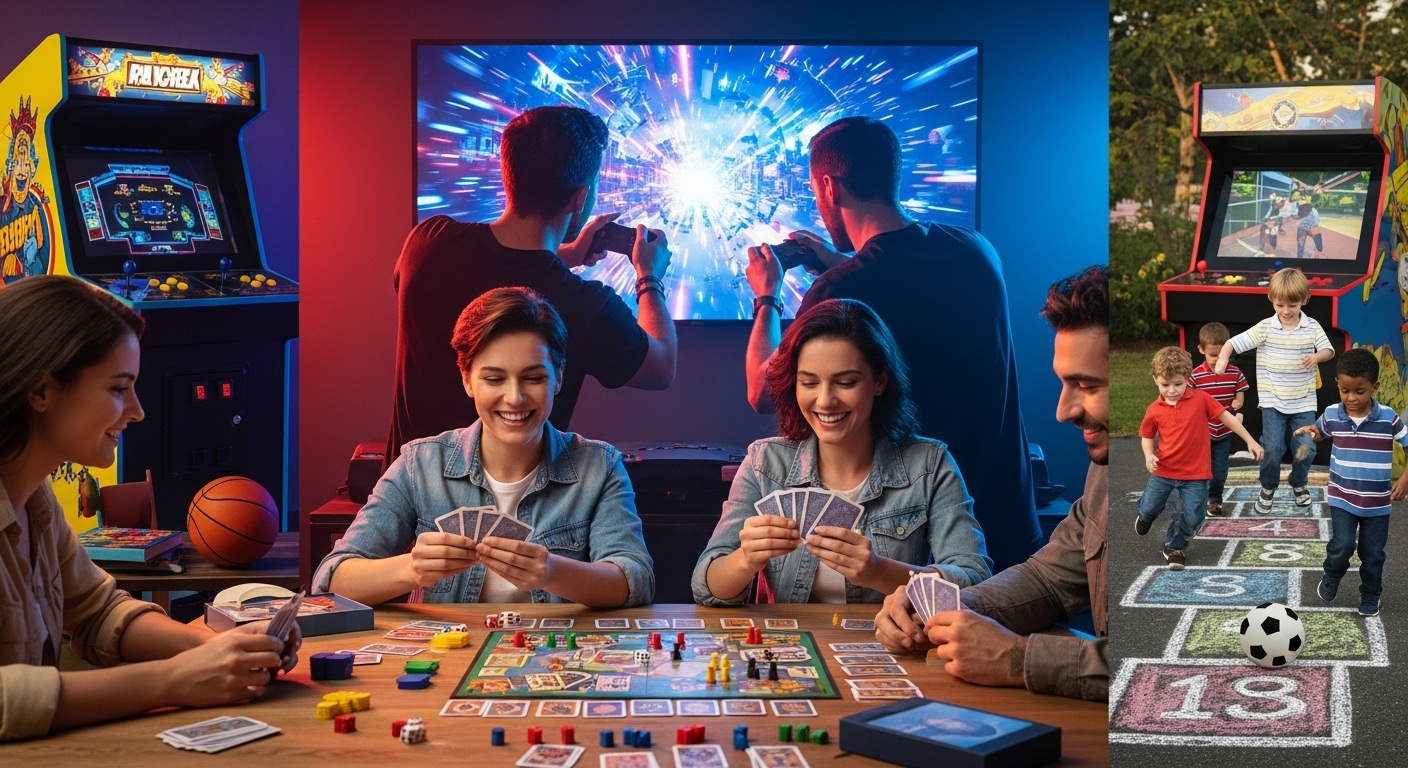
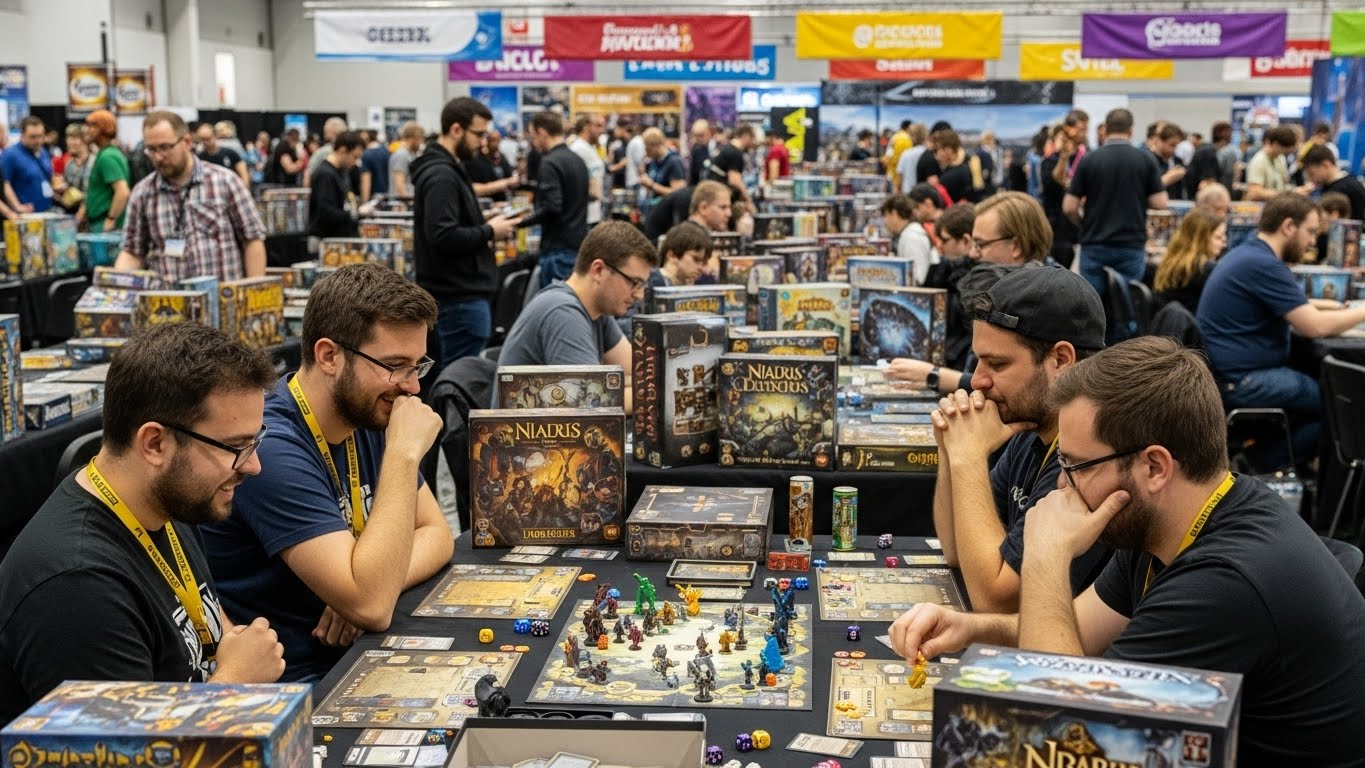
Gaming has become one of the most influential forms of entertainment in the world. What once began as simple physical games and board games has evolved into immersive digital experiences spanning consoles, PCs, mobile devices, and even virtual reality. From casual fun to professional esports, gaming now appeals to people of all ages, cultures, and skill levels. In this blog, we will explore the evolution of games, their diverse types, technological advancements, cultural impact, and the future of gaming as a global phenomenon.
The Origins of Games: From Ancient Pastimes to Modern Entertainment
Games have been part of human culture for thousands of years. Ancient civilizations developed games as a form of recreation, learning, and social interaction. For instance, chess, originating in India over a thousand years ago, became a global strategic pastime, while the ancient Egyptian game Senet was played for leisure and as part of religious rituals. These early games focused on logic, strategy, and skill, establishing the foundation for modern gaming.
The introduction of physical and board games laid the groundwork for structured play. Traditional games such as checkers, backgammon, and card games not only entertained but also taught problem-solving, social skills, and competitive spirit. Over time, as technology advanced, these traditional games began to take digital form, marking the beginning of the modern gaming industry.
The Birth of Video Games
The history of digital gaming began in the mid-20th century. One of the earliest known digital games was Tennis for Two, created in 1958 by physicist William Higinbotham. This simple game used an oscilloscope to simulate a tennis match and captivated audiences at its time. However, it was Pong, developed by Atari in 1972, that truly marked the start of the video gaming industry. Pong’s simple table tennis gameplay became a cultural phenomenon, inspiring countless developers to create their own games.
The late 1970s and 1980s were the golden age of arcade games. Titles such as Space Invaders, Pac-Man, and Donkey Kong drew massive crowds to arcades around the world. At the same time, home consoles like the Atari 2600 and Nintendo Entertainment System brought gaming into living rooms, making it accessible to a broader audience. These early developments established gaming as both entertainment and a potential career path for professional players.
Console Gaming: Immersive and Expansive Worlds
Console gaming remains one of the most popular forms of interactive entertainment. Platforms such as PlayStation, Xbox, and Nintendo Switch offer high-quality graphics, expansive worlds, and immersive storylines. Modern consoles are capable of delivering cinematic experiences that rival movies, blending gameplay with deep narratives.
Games like The Last of Us, Halo, and The Legend of Zelda series exemplify the power of consoles to create compelling storytelling experiences. Multiplayer features, downloadable content, and live updates have transformed console gaming into a social and ongoing entertainment medium. Players can compete, collaborate, and explore vast digital worlds, making console gaming a core part of modern culture.
PC Gaming: The Hub of Innovation and Customization
PC gaming caters to enthusiasts seeking performance, flexibility, and expansive gaming experiences. Unlike consoles, PCs allow users to upgrade hardware components, improving graphics, speed, and gameplay quality. Platforms such as Steam, Epic Games Store, and other digital marketplaces provide access to thousands of games across genres.
PC gaming has also been instrumental in the rise of esports. Competitive games such as League of Legends, Counter-Strike, and Dota 2 have professional leagues, international tournaments, and massive audiences. Beyond competition, PC gaming allows modding, where players can modify game mechanics, create custom content, and expand virtual worlds. Games like Minecraft and Skyrim have thriving modding communities, adding creativity and longevity to player experiences.
Mobile Gaming: Accessibility and Casual Fun
Mobile gaming has revolutionized gaming accessibility. Smartphones and tablets allow players to game anywhere, anytime, appealing to casual gamers and those with limited access to consoles or PCs. The rise of free-to-play models with in-app purchases has further expanded mobile gaming’s reach, enabling millions of players worldwide to enjoy games without upfront costs.
Popular mobile games like Candy Crush, Clash of Clans, and Pokémon Go showcase the diversity of mobile gaming. While some games focus on quick, addictive challenges, others offer complex strategy, social interaction, and even augmented reality experiences. Mobile gaming has democratized entertainment, making gaming a daily activity for millions of people.
Virtual Reality and Augmented Reality Gaming: The Next Frontier
Virtual reality and augmented reality are shaping the future of gaming. VR immerses players in fully digital environments using headsets and motion tracking, creating an interactive and realistic experience. Titles like Beat Saber and Half-Life: Alyx demonstrate how VR allows players to physically interact with virtual worlds.
AR gaming overlays digital elements onto the real world. Pokémon Go popularized this technology by blending exploration, social interaction, and gaming. AR games are still emerging, but they hold potential for new gameplay experiences that merge physical and digital worlds, providing entertainment in ways traditional gaming cannot.
Popular Game Genres: Catering to Diverse Interests
Modern games span numerous genres, each offering unique experiences. Understanding these genres helps illustrate the diversity of gaming today.
Action Games emphasize reflexes, combat, and fast-paced gameplay. First-person shooters like Call of Duty and third-person adventures like God of War immerse players in thrilling battles and exploration.
Role-Playing Games allow players to become characters in expansive stories. Games like The Witcher 3 and Final Fantasy series focus on character development, decision-making, and world exploration, providing immersive narrative experiences.
Strategy Games require critical thinking and planning. Real-time strategy games like StarCraft challenge players to build empires and manage resources, while turn-based strategy games like Civilization focus on thoughtful, methodical decision-making.
Simulation Games mimic real-world experiences. The Sims, Cities: Skylines, and Farming Simulator allow players to build communities, manage resources, and simulate life, offering creativity and problem-solving opportunities.
Sports and Racing Games deliver the thrill of competition. FIFA, NBA 2K, and Gran Turismo replicate real-world sports and racing, appealing to fans of athletic and automotive challenges.
Indie Games showcase creativity and innovation. Developed by smaller studios, titles like Hollow Knight, Stardew Valley, and Undertale offer unique storytelling, gameplay mechanics, and artistic expression, often challenging conventional norms in gaming.
Gaming as a Social Experience
Games have evolved from solitary activities to social platforms. Online multiplayer games, streaming, and gaming communities connect players across the globe. Multiplayer experiences in games like Fortnite, Apex Legends, and Minecraft allow collaboration, competition, and social interaction.
Streaming platforms and content creation have further expanded gaming’s social impact. Players share gameplay, tips, and experiences with global audiences, transforming gaming into a participatory culture. Communities around games provide spaces for friendship, collaboration, and creativity, emphasizing the social nature of modern gaming.
The Educational and Cognitive Benefits of Gaming
Gaming is not only entertaining but also offers educational and cognitive benefits. Puzzle games and strategy games enhance problem-solving and critical thinking. Multiplayer and cooperative games foster teamwork, communication, and decision-making skills. Simulation and creative games, such as building and design-focused titles, encourage planning, creativity, and resource management.
Research indicates that moderate gaming can improve cognitive functions, such as attention, memory, and spatial reasoning. Games also provide safe spaces for experimentation and learning, offering challenges that promote growth and resilience in players.
The Future of Gaming: Trends and Innovations
The gaming industry continues to evolve rapidly, with emerging technologies and trends shaping its future. Cloud gaming allows players to stream games without high-end hardware, expanding access and reducing barriers. AI-driven games can adapt to player behavior, creating dynamic and personalized experiences.
The continued growth of VR and AR will redefine immersion, while advancements in graphics and physics engines will make virtual worlds increasingly realistic. Esports will continue to expand, attracting larger audiences and professional opportunities, while mobile gaming will remain a major driver of global participation.
Gaming is also increasingly integrated with other entertainment forms, including movies, music, and social media, creating hybrid experiences that blur the lines between different forms of media. The rise of cross-platform play further ensures that players on different devices can connect seamlessly, enhancing inclusivity and engagement.
Conclusion: Gaming as a Cultural and Technological Phenomenon
Games have transformed from simple recreational activities into a global industry with cultural, social, and technological significance. From ancient board games to immersive virtual reality experiences, gaming continues to evolve, offering entertainment, learning, and social interaction in unprecedented ways.
The diversity of platforms, genres, and experiences ensures that gaming appeals to everyone, regardless of age or background. With continuous technological innovation, increased accessibility, and growing communities, the world of gaming shows no signs of slowing down. It is not just a pastime—it is a dynamic cultural phenomenon that shapes how people play, learn, and connect in the modern world.
Gaming has truly been unleashed, and its potential to entertain, educate, and connect humanity has never been greater.