Introduction: More Than Just Play
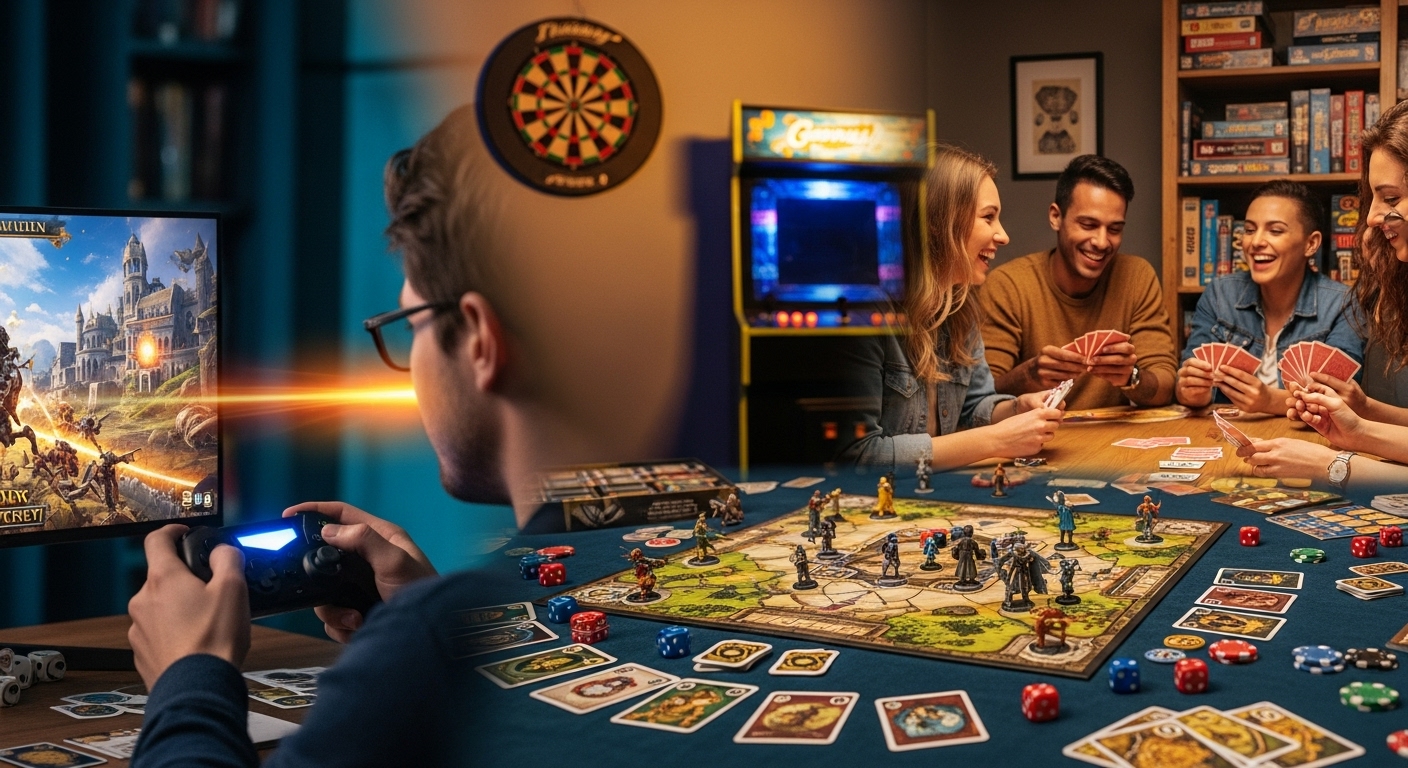
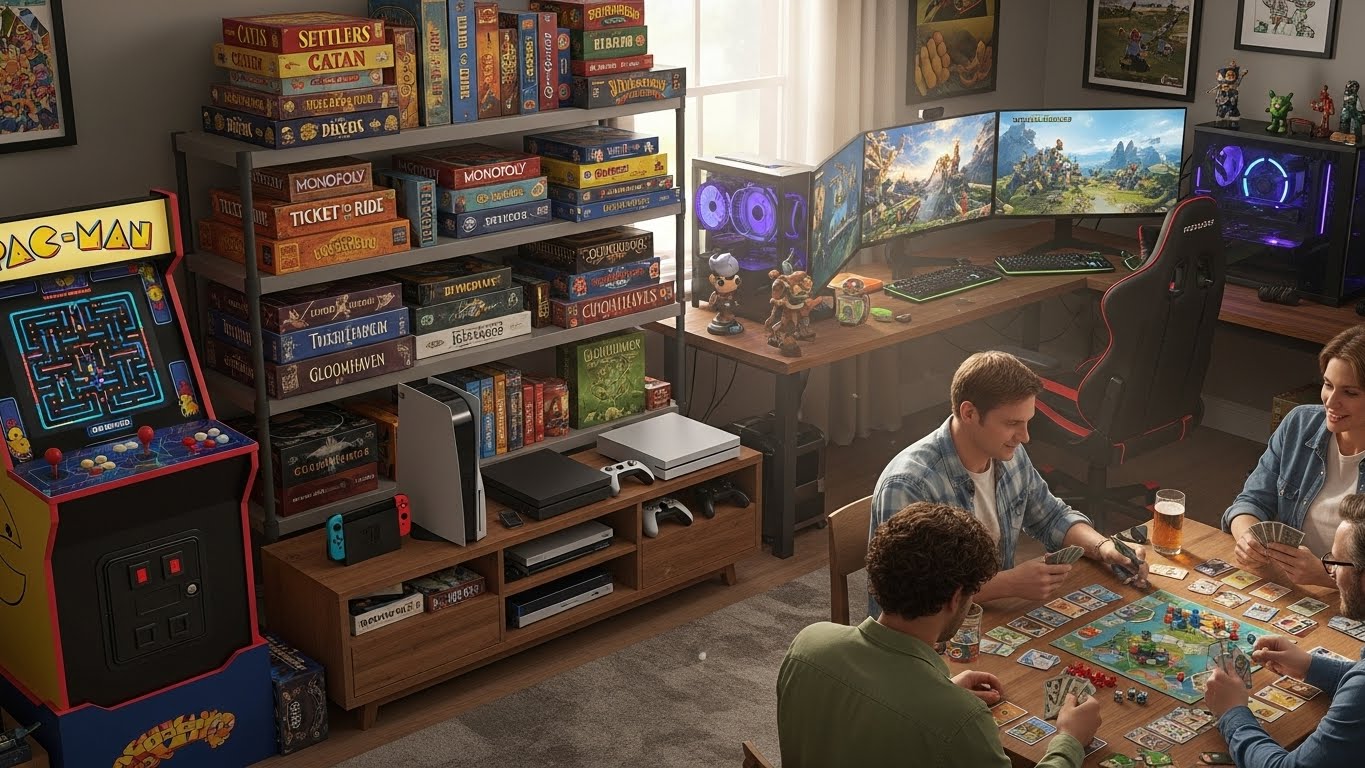
Games have been a part of human culture for thousands of years, evolving from simple board games and outdoor activities to immersive digital experiences enjoyed worldwide. They entertain, challenge, and connect people in ways that few other mediums can. Modern games go beyond recreation; they foster creativity, sharpen cognitive skills, build communities, and even influence culture. This blog explores the world of games, their evolution, social and psychological impact, and the reasons why they remain a cornerstone of entertainment and personal development.
The History and Evolution of Games
Games have existed in some form throughout human history. Early civilizations created games like Senet in Egypt, Go in China, and chess in India, often as a way to teach strategy, logic, and social skills. These games served as entertainment, education, and sometimes even as tools to simulate real-world challenges.
With time, board games, card games, and outdoor activities became popular in communities worldwide. The twentieth century introduced electronic games, starting with simple arcade machines and progressing to home consoles. Each technological advancement expanded the possibilities for gameplay, storytelling, and player engagement. Today, games are highly interactive experiences that incorporate sophisticated graphics, artificial intelligence, and immersive narratives, appealing to audiences of all ages and backgrounds.
Digital Games: The Modern Playground
The rise of digital games has transformed how people play. Video games, mobile games, and online platforms offer interactive experiences that were unimaginable just decades ago. Players can explore open worlds, solve complex puzzles, compete with others, and even create their own content.
Digital games combine storytelling, strategy, and skill development. Players take on roles that challenge them to think critically, make decisions under pressure, and adapt to changing circumstances. Games like strategy simulations teach management and planning, while role-playing games develop empathy and decision-making. The modern gaming landscape is vast, offering experiences from casual mobile games to competitive esports, ensuring there is something for everyone.
The Social Dimension of Games
Games are increasingly social experiences. Multiplayer games connect players globally, fostering teamwork, collaboration, and friendly competition. Communities form around popular titles, with players sharing strategies, celebrating victories, and even offering support in real life.
Social interaction within games builds communication skills, leadership, and cooperative problem-solving. Many players report forming deep friendships online, some of which translate into real-world connections. Games are no longer solitary entertainment; they are platforms for building relationships and communities, making social interaction a key component of modern gaming.
Cognitive Benefits of Gaming
Games do more than entertain—they enhance mental agility. Strategy games stimulate critical thinking, puzzle games improve problem-solving and memory, and action games boost reflexes and hand-eye coordination.
Beyond cognitive skills, games encourage creativity. Many modern games allow players to design levels, characters, or entire worlds, providing an outlet for artistic expression. These creative activities not only entertain but also develop planning, spatial awareness, and imaginative thinking. Gamers often report improved focus, multitasking ability, and analytical skills, demonstrating that play can be a valuable tool for cognitive development.
Gaming and Emotional Wellbeing
Playing games has significant emotional and psychological benefits. Immersive experiences allow players to temporarily escape stress, explore new identities, and engage in challenges that boost self-esteem. Completing difficult levels or achieving in-game milestones provides a sense of accomplishment and motivation.
Games also foster empathy and emotional intelligence. Story-driven games often present moral dilemmas, complex characters, and challenging scenarios, encouraging players to consider multiple perspectives. Cooperative gameplay teaches teamwork, patience, and communication, skills that extend beyond the gaming world into personal and professional life.
Games as a Learning Tool
Games are increasingly recognized as educational tools. Educational games teach academic subjects like math, science, and language skills in an interactive and engaging format. Simulations help players develop real-world skills, such as strategic planning, resource management, and decision-making.
Even non-educational games can enhance learning. Puzzle games improve logical thinking, strategy games develop foresight and planning, and cooperative games teach leadership and collaboration. By combining fun and challenge, games make learning engaging and effective, proving that entertainment and education can coexist harmoniously.
Competitive Gaming and Esports
Competitive gaming, or esports, has transformed gaming into a professional pursuit. Players train rigorously to compete in tournaments that attract global audiences and substantial prize money. Esports demonstrates that gaming requires skill, strategy, and dedication, challenging outdated stereotypes of gamers.
Beyond playing, esports has created careers for coaches, analysts, commentators, event organizers, and content creators. Professional gaming fosters discipline, teamwork, and strategic thinking. Esports has legitimized gaming as a career path and highlighted its cultural and economic significance, illustrating the potential of games to impact society on a large scale.
Creativity and Game Design
Games are not only for playing—they inspire creation. Modern titles often encourage user-generated content, from custom levels and characters to full-scale mods that expand gameplay. This creative engagement allows players to explore storytelling, design, and artistic expression in interactive formats.
Game design itself is a multidisciplinary field, combining art, technology, psychology, and narrative. Players who engage in creative aspects of gaming develop problem-solving, planning, and design skills. Games provide a unique platform for imagination to thrive, offering opportunities to experiment, innovate, and express individuality.
The Cultural Impact of Games
Games influence culture in profound ways. Popular titles inspire fashion, music, films, literature, and online communities. Memes, fan art, and cosplay are all expressions of the cultural impact games have on society.
Games also explore social and ethical themes, addressing issues such as morality, identity, and relationships. Players experience diverse perspectives and navigate complex challenges, often reflecting on real-world implications. As cultural artifacts, games document societal trends, capture shared experiences, and serve as a medium for storytelling that resonates across generations.
Games and Technology Innovation
Gaming drives technological innovation. Advances in graphics, artificial intelligence, virtual reality, and cloud computing often originate in the gaming industry. AI in games enhances opponent behavior, simulates realistic scenarios, and creates adaptive challenges. Virtual reality games offer immersive experiences that influence training, therapy, and education. Cloud gaming makes high-quality experiences accessible to broader audiences, removing hardware barriers.
The innovations developed for games frequently spill over into other industries, demonstrating the broader impact of gaming technology. Gaming serves as a testing ground for new ideas, allowing developers to experiment with tools that eventually shape other forms of digital interaction.
Inclusivity and Accessibility in Gaming
Inclusivity and accessibility are critical aspects of modern gaming. Developers now implement features such as customizable controls, subtitles, visual aids, and adjustable difficulty levels, ensuring games are playable by people of all abilities.
Representation in games has also improved. Diverse characters, narratives, and settings allow players to see themselves reflected in digital worlds. Inclusive game design fosters empathy, broadens perspectives, and makes gaming more welcoming, highlighting its potential to positively influence social attitudes and cultural understanding.
The Future of Gaming
The future of gaming promises further innovation and immersion. Virtual and augmented reality will continue to blur the line between the digital and physical world, offering fully immersive experiences. Artificial intelligence will create games that adapt dynamically to player choices, while multiplayer platforms will evolve into expansive social networks where players can learn, collaborate, and connect globally.
Games will remain a vital part of education, entertainment, and cultural expression. They will continue to push boundaries in creativity, technology, and social interaction. As gaming evolves, it will redefine how humans play, learn, and interact, cementing its role as one of the most influential mediums of the modern era.
Conclusion: Why Games Matter
Games are more than a form of entertainment. They enhance cognitive and emotional skills, inspire creativity, foster social connections, and reflect cultural values. From traditional board games to modern digital experiences, games offer joy, challenge, and personal growth.
The appeal of games lies in their ability to combine imagination, skill, and social interaction. They provide opportunities to explore new worlds, develop abilities, and connect with others in meaningful ways. Games are a reflection of human ingenuity and creativity, offering experiences that entertain, educate, and inspire.
In a rapidly changing world, games remain timeless. They entertain, challenge, and unite, proving that play is not just a pastime—it is a vital part of life, learning, and culture. Games shape who we are, how we think, and how we connect, ensuring they remain a cornerstone of human experience for generations to come.