Introduction
Games have been a part of human culture for centuries, from traditional board games to modern video games. They entertain, challenge, and inspire creativity. But games are more than just fun—they influence how we think, interact, and even innovate. In today’s world, games are a powerful medium that combines art, technology, and social connection.
The Evolution of Games
Games have come a long way from simple dice rolls and card games. Today, digital games provide immersive experiences with detailed graphics, interactive storytelling, and realistic physics. Gamers can explore vast open worlds, solve intricate puzzles, or compete in high-stakes tournaments. This evolution has transformed games from a casual pastime to a multi-faceted form of entertainment.
Social Interaction Through Gaming
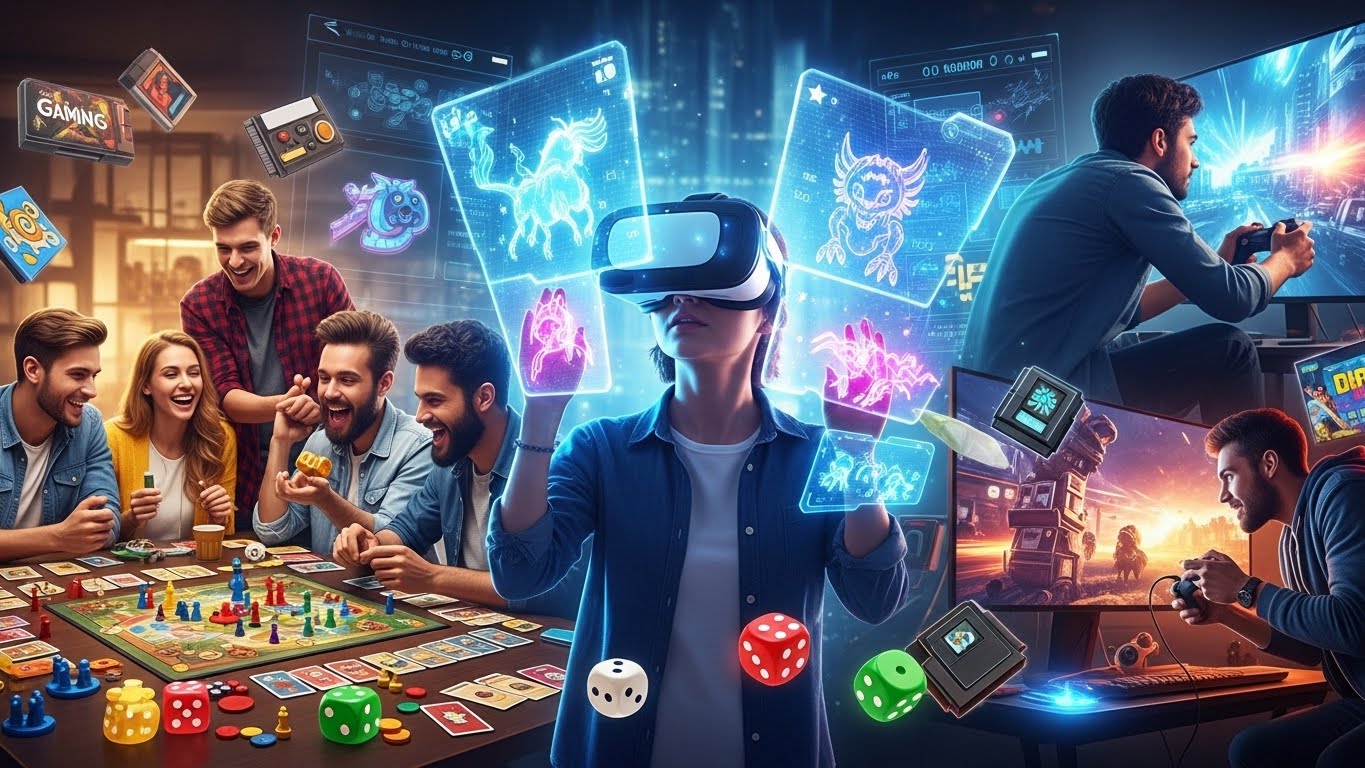
Games are not just solitary experiences anymore. Online multiplayer games and cooperative challenges connect people from across the globe. Players form communities, share strategies, and even build lasting friendships. Games have become social spaces where teamwork, communication, and collaboration thrive.
The Cognitive Benefits of Gaming
Playing games is not just enjoyable—it also strengthens the mind. Strategy games enhance problem-solving skills, puzzle games improve memory, and fast-paced action games boost reflexes and decision-making. Gaming can be a form of mental exercise, helping players develop focus, adaptability, and creative thinking.
Gaming as a Career and Industry
The gaming industry is booming, offering careers that were unheard of decades ago. Professional gamers, content creators, and game developers can now turn their passion into a livelihood. Competitive gaming events draw millions of spectators worldwide, showcasing gaming as a legitimate and influential career path.
Technology and Innovation Driven by Games
Games often push technological boundaries. Advancements in graphics, artificial intelligence, and virtual reality originate from the demands of modern gaming. These innovations frequently extend beyond entertainment, impacting education, simulations, and training programs in various industries.
The Future of Games
The future of gaming promises even greater possibilities. Virtual reality, cloud gaming, and AI-driven experiences will redefine how we play and interact. Games will continue to evolve, offering deeper immersion, richer storytelling, and stronger social connections. They will remain a space where imagination meets technology.
Conclusion
Games are no longer just a form of entertainment—they are a cultural phenomenon, a technological frontier, and a social platform. From building skills and forging friendships to inspiring innovation, games influence our lives in profound ways. Whether you play for fun, challenge, or competition, games offer experiences that are engaging, educational, and endlessly fascinating.