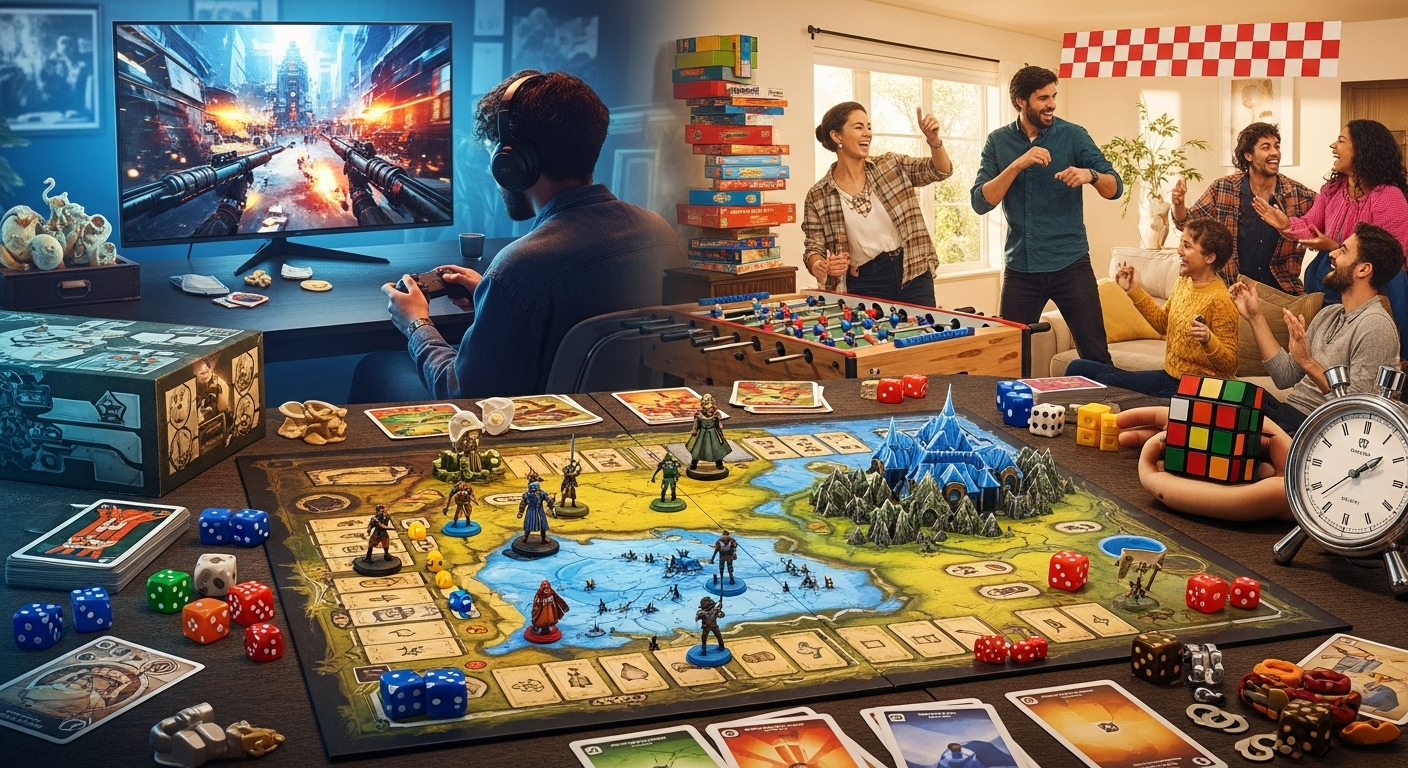
Games have been an inseparable part of human life since the beginning of civilization. From the earliest board games carved in stone to the highly advanced digital universes of today, games have always reflected our creativity, intelligence, and desire for challenge. They are not merely a way to pass time but a reflection of how people think, compete, and connect. Whether played for fun, education, or professional achievement, games define a significant part of our global culture.
The Ancient Roots of Gaming
The history of games can be traced back thousands of years. Ancient civilizations like Egypt, Greece, India, and China had their own forms of board games and sports that entertained kings and commoners alike. Games such as Senet in Egypt and Go in China were not just amusements but held deep symbolic and strategic meanings. Senet, for example, represented the journey of the soul through the afterlife, while Go emphasized balance, territory, and patience.
Chess, one of the oldest strategy games in the world, originated in India as “Chaturanga.” It evolved as it spread across Persia and Europe, symbolizing the power struggles of kingdoms. The intellectual nature of chess made it a respected pastime among scholars, kings, and thinkers. In many ways, these ancient games were the foundation of modern strategy games, which continue to challenge human intellect and foresight.
The Evolution of Physical and Outdoor Games
As societies evolved, so did physical and outdoor games. Traditional sports such as wrestling, archery, and running were part of ancient Olympic games in Greece. They were a celebration of strength, endurance, and human potential. Over centuries, these activities evolved into organized sports, shaping modern athletics.
Games like football, cricket, basketball, and tennis became global phenomena, transcending national and cultural barriers. A single match could unite millions of fans or divide them in fierce rivalries. Sports developed their own heroes, legends, and iconic moments that live on for generations. The energy of competition and the spirit of teamwork became the defining aspects of these games.
Outdoor games also hold an important place in childhood. Simple activities like hide and seek, tag, or hopscotch helped children build friendships, coordination, and confidence. These playground games, though small in scale, form lasting memories and shape social interaction from an early age.
The Birth of Digital Games
The real revolution in the gaming world began with the arrival of computers and video technology. The mid-20th century saw the invention of the first digital games, which were simple and experimental at the time. Pong, a basic table tennis simulation, is often credited as one of the first video games to achieve mainstream success.
From there, the gaming industry grew rapidly. The 1980s and 1990s introduced arcade classics like Pac-Man, Space Invaders, and Donkey Kong. These games became cultural symbols, representing not just entertainment but also innovation in technology. As consoles like the Nintendo Entertainment System and Sega Genesis entered homes, gaming became a household activity rather than something limited to arcades.
The 2000s witnessed another major transformation with the rise of 3D graphics, immersive storytelling, and online multiplayer capabilities. Games like Grand Theft Auto, The Legend of Zelda, and Halo defined this era, pushing the boundaries of what video games could achieve. The concept of gaming shifted from simple fun to a form of digital art and storytelling.
The Role of Imagination and Creativity
Games are a canvas for human imagination. Whether it’s the vast worlds of fantasy role-playing games or the creative freedom in sandbox games, the ability to design, build, and explore is what makes gaming so appealing. Titles like Minecraft and The Sims give players control over their worlds, letting them express their creativity freely.
Story-driven games, on the other hand, take players through emotional and thought-provoking journeys. Games such as The Last of Us, Red Dead Redemption, and Journey are celebrated not just for gameplay but for their narratives and artistic depth. They blur the line between movies and games, offering cinematic experiences that touch on love, loss, survival, and morality.
Creativity is not limited to developers alone. The gaming community contributes to this creative ecosystem through modifications, fan art, and custom content. Players design new levels, create fan stories, and build virtual communities that expand the life of a game far beyond its initial release.
The Rise of Esports and Competitive Gaming
One of the most significant developments in the modern gaming world is the rise of esports. Competitive gaming has transformed from casual local tournaments into global spectacles watched by millions. Games like League of Legends, Counter-Strike, Dota 2, and Fortnite have professional leagues with massive prize pools and sponsorship deals.
Esports players train like athletes, dedicating hours daily to practice and strategy. The mental focus, teamwork, and coordination required in these competitions rival those in traditional sports. Live events fill entire stadiums, and fans follow their favorite players with the same passion seen in football or basketball.
The economic impact of esports has also been remarkable. Careers in gaming now extend beyond players to include streamers, commentators, analysts, and coaches. Streaming platforms allow gamers to connect with audiences worldwide, turning gaming into a full-time profession.
Games as Tools for Learning and Growth
While entertainment is the primary purpose of games, they also serve as powerful tools for learning. Educational games use interactive methods to teach complex subjects like mathematics, science, and history. By turning learning into play, they make education more engaging and effective.
Simulation games like flight simulators, city builders, and management games develop problem-solving and planning skills. Strategy games encourage critical thinking, while puzzle games sharpen logic and patience. Even action games can improve hand-eye coordination and reflexes.
Beyond academic skills, games also teach empathy and perspective. Story-based games often place players in situations that challenge their moral decisions. By stepping into the shoes of different characters, players gain emotional insight into experiences unlike their own.
The Social Side of Gaming
In today’s connected world, games are not just solitary experiences. Online multiplayer games have become digital meeting spaces where people from across the globe come together. Games like Fortnite, Among Us, and Minecraft foster cooperation, competition, and community. Players build friendships that often extend beyond the virtual world.
Gaming communities thrive through shared interests, discussions, and collaboration. Online guilds, forums, and social media groups allow players to share strategies, organize events, and celebrate achievements. In many ways, games have become a new form of social interaction, bridging cultural and linguistic differences through shared experiences.
However, the social nature of gaming also brings challenges. Toxic behavior, cyberbullying, and addiction are real concerns in online environments. Many developers and organizations now focus on creating healthier gaming spaces by promoting respect, moderation, and positive communication.
The Psychology of Play
Why do people play games? The psychology behind gaming is deeply rooted in human behavior. Games provide a sense of achievement, challenge, and escape. The satisfaction of completing a difficult level or mastering a skill triggers the brain’s reward system, releasing dopamine and creating joy.
Games also fulfill emotional and social needs. They allow people to experience success, adventure, and even failure in safe environments. For some, games provide stress relief after a long day. For others, they are a way to connect with friends or express creativity.
The immersive nature of modern games offers players the chance to explore identities and roles they might never experience in real life. Whether as a warrior, explorer, or builder, gaming offers freedom of choice and the power to create change within a virtual world.
The Future of Gaming
The future of gaming promises even more innovation and immersion. With the rise of virtual reality (VR) and augmented reality (AR), players can step directly into their favorite worlds. VR headsets and motion sensors create experiences that feel real, transforming how people interact with games.
Artificial intelligence is also shaping the future of gaming. Smarter NPCs (non-playable characters), adaptive environments, and personalized gameplay experiences make each session unique. Cloud gaming, which allows people to play high-quality games without powerful hardware, is making gaming more accessible than ever.
Cross-platform play is breaking barriers between devices, allowing players on consoles, PCs, and mobile phones to play together. The boundaries between platforms, genres, and even realities are becoming increasingly blurred.
As technology evolves, so does the definition of gaming. New genres will emerge, storytelling will deepen, and experiences will become more lifelike. Yet, no matter how advanced games become, their essence will always remain rooted in human imagination and the joy of play.
The Cultural and Artistic Impact of Games
Today, games are recognized as an art form. They combine visuals, music, storytelling, and interactivity to create emotional and aesthetic experiences. Museums, exhibitions, and academic studies now explore the artistic and cultural significance of video games.
Game soundtracks, for instance, are celebrated for their emotional depth and composition. The music of games like Final Fantasy, Skyrim, and Hollow Knight evokes nostalgia and wonder, standing alongside film scores in their emotional impact.
Visually, games showcase breathtaking artistry. From the detailed landscapes of open-world games to the hand-painted textures of indie titles, the artistic diversity in gaming is limitless. Game design has become a respected profession, blending creativity with technology to craft meaningful experiences.
The Role of Games in Society
Games are more than entertainment; they reflect and influence society. Many modern games address complex themes such as politics, mental health, climate change, and identity. Through interactive storytelling, players experience these issues firsthand, fostering empathy and awareness.
Games also play a role in community building and charity. Events like charity streams, in-game fundraisers, and awareness campaigns use gaming as a platform for positive social impact. Developers and players alike use their passion to support causes and bring people together for the greater good.
In times of crisis, games have even offered comfort and connection. During global lockdowns, online gaming helped millions stay in touch with friends and family. Virtual gatherings replaced real-world events, demonstrating the power of games to unite people even in isolation.
Conclusion: The Endless Game
The story of games is the story of humanity itself—our desire to learn, compete, create, and connect. From the dusty stones of ancient board games to the boundless worlds of virtual reality, the evolution of gaming is a testament to human ingenuity.
Games are not just about winning or losing. They are about discovery, imagination, and the joy of participation. They teach lessons, spark creativity, and build communities. The world of games will continue to evolve, but its purpose will remain timeless: to bring people together through the universal language of play.
As long as humans seek adventure, challenge, and connection, games will continue to thrive—endlessly adapting, inspiring, and entertaining across generations. The world may change, but the love for games will remain an eternal part of who we are.