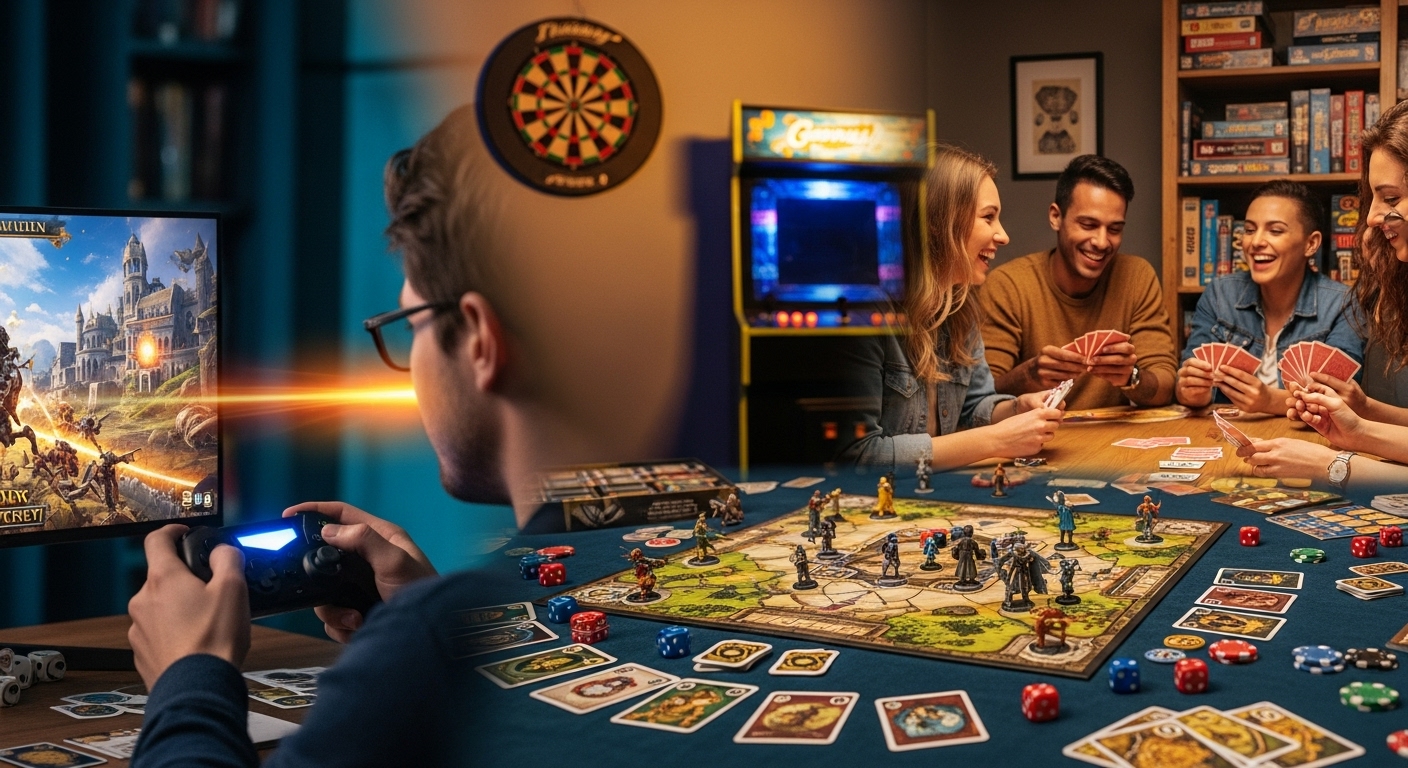
The world of gaming has come a long way from simple pixelated adventures to fully immersive digital experiences. Today, games are more than just a pastime; they have become a cultural phenomenon, blending storytelling, strategy, and technology in ways that captivate millions of players around the world.
The Evolution of Games
Games have transformed dramatically over the decades. Early video games offered basic challenges and simple graphics, but modern games are complex, offering rich narratives, lifelike graphics, and expansive virtual worlds. From single-player adventures to massive multiplayer online games, the gaming landscape now caters to a wide variety of preferences and skill levels.
Types of Games Today
The gaming world is diverse, with genres that appeal to different tastes:
- Action Games: Fast-paced and adrenaline-pumping, these games test reflexes and strategic thinking.
- Role-Playing Games (RPGs): Players assume the roles of characters and explore story-driven worlds, making choices that impact the game’s outcome.
- Strategy Games: Focused on planning, resource management, and tactical decision-making, these games challenge the mind.
- Simulation Games: Offer realistic experiences, from managing cities to operating vehicles, providing immersive learning experiences.
- Sports and Racing Games: Capture the thrill of competitive sports or high-speed racing, often with lifelike physics and mechanics.
Technology Behind Modern Games
Advanced technology has revolutionized gaming. High-definition graphics, realistic physics engines, and lifelike sound design create deeply immersive experiences. Virtual reality (VR) and augmented reality (AR) are taking gaming to the next level, allowing players to step into digital worlds and interact in ways previously unimaginable. Online connectivity has also transformed games into social experiences, with multiplayer modes and cooperative challenges fostering community and teamwork.
The Social and Cultural Impact of Games
Games are no longer just entertainment—they shape culture and social interactions. Online communities allow players to form friendships, share experiences, and compete in global tournaments. Esports has emerged as a professional arena, attracting millions of viewers and offering competitive gamers a platform to shine. Games are also influencing storytelling, art, and even education, showing that their impact extends far beyond the screen.
The Future of Gaming
The future promises even more innovation. Cloud gaming will allow players to access high-quality games without powerful hardware. Artificial intelligence will create smarter, more adaptive gameplay. Interactive storytelling will become increasingly personalized, making each player’s journey unique. Gaming is set to become even more immersive, social, and impactful in the coming years.
Conclusion
Gaming has evolved into a multi-faceted, cultural, and technological phenomenon. With endless genres, cutting-edge technology, and a growing social and cultural influence, games continue to captivate audiences worldwide. As the industry grows, one thing is clear: the world of gaming is only limited by imagination, and the possibilities are endless.