Introduction
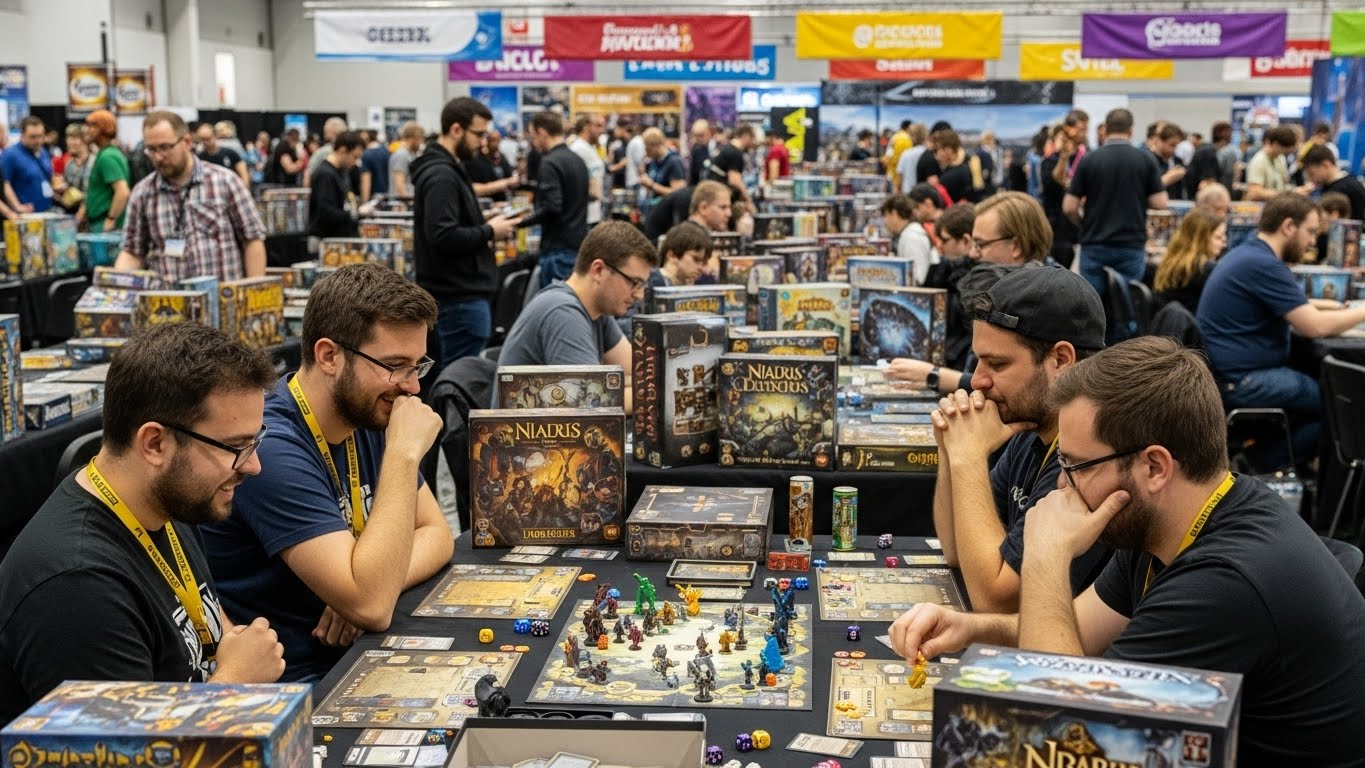
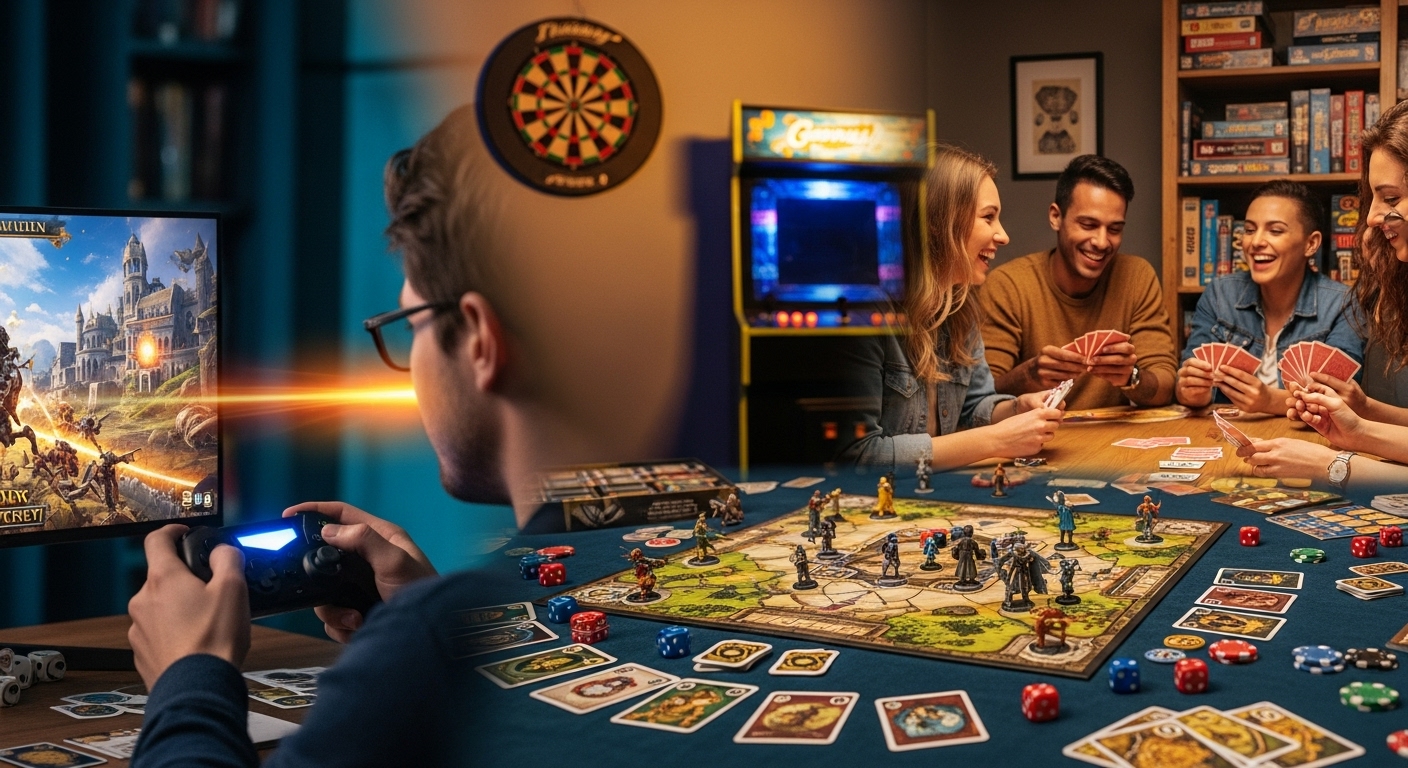
Games are no longer just a form of pastime; they have become a powerful medium for entertainment, learning, and social connection. From traditional board games to complex digital adventures, games captivate people of all ages. They provide challenges, spark creativity, and offer a space to connect with others. In today’s world, gaming has evolved into an essential part of culture and daily life.
The Origins of Games
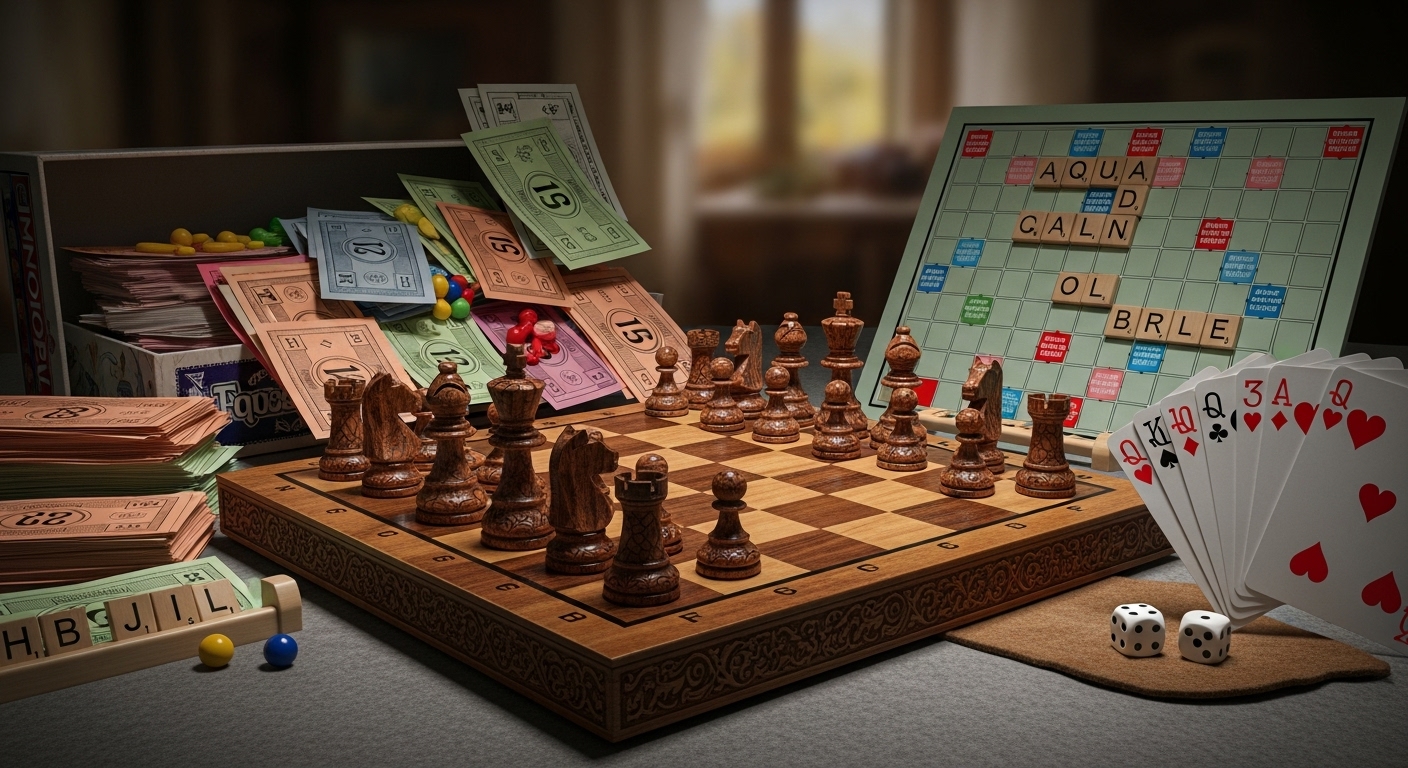
Games have been a part of human civilization for centuries. Ancient board games, outdoor sports, and simple puzzles were ways to challenge the mind and body while fostering social interaction. These early games laid the groundwork for modern gaming, teaching strategy, patience, and teamwork. They show that play has always been a vital aspect of learning and human connection.
The Rise of Digital Gaming
The arrival of video games transformed the gaming landscape. Early classics like Pong and Pac-Man captured imaginations with simple mechanics and addictive gameplay. With the advancement of technology, games became more complex, immersive, and visually stunning. Consoles and computers allowed players to explore vast worlds, follow engaging storylines, and experience adventures unlike anything seen before.
Online Gaming and Community
The internet revolutionized the way people play. Online gaming brought players together from across the globe, creating communities and friendships that transcend borders. Multiplayer games encouraged collaboration, competition, and communication. Gaming became more than an individual activity—it turned into a social experience, fostering teamwork and global connections.
Mobile Gaming: Fun in Your Pocket
Mobile devices made gaming accessible to everyone. Simple, entertaining games can now be played anytime, anywhere, giving players flexibility and convenience. Mobile gaming has expanded the audience for games, introducing casual players to interactive entertainment and offering a platform for developers to innovate with new concepts.
Educational and Cognitive Benefits
Games are not only entertaining; they can also enhance cognitive skills. Puzzle games, strategy games, and simulations improve problem-solving, critical thinking, and memory. Educational games make learning interactive and engaging, encouraging creativity and curiosity. Games provide a unique balance of fun and skill development that traditional methods cannot always offer.
Competitive Gaming and Esports
Esports has transformed gaming into a professional and competitive arena. Skilled players compete in tournaments watched by millions, earning recognition and prizes for their talent. Competitive gaming highlights strategy, teamwork, and dedication, turning passion into a career path and showcasing the potential of gaming as a serious pursuit.
The Future of Gaming
The future of games promises innovation and endless possibilities. Technologies such as virtual reality, augmented reality, and artificial intelligence are creating immersive, interactive experiences. Games will continue to evolve as a medium for storytelling, creativity, and connection, offering experiences that blur the line between reality and imagination.
Conclusion
Games have grown far beyond simple entertainment. They inspire creativity, foster social interaction, and teach valuable skills. From traditional games to modern digital adventures, they have become an essential part of human culture. Gaming reminds us that play is more than fun—it is a way to learn, grow, and connect with the world around us.