Introduction
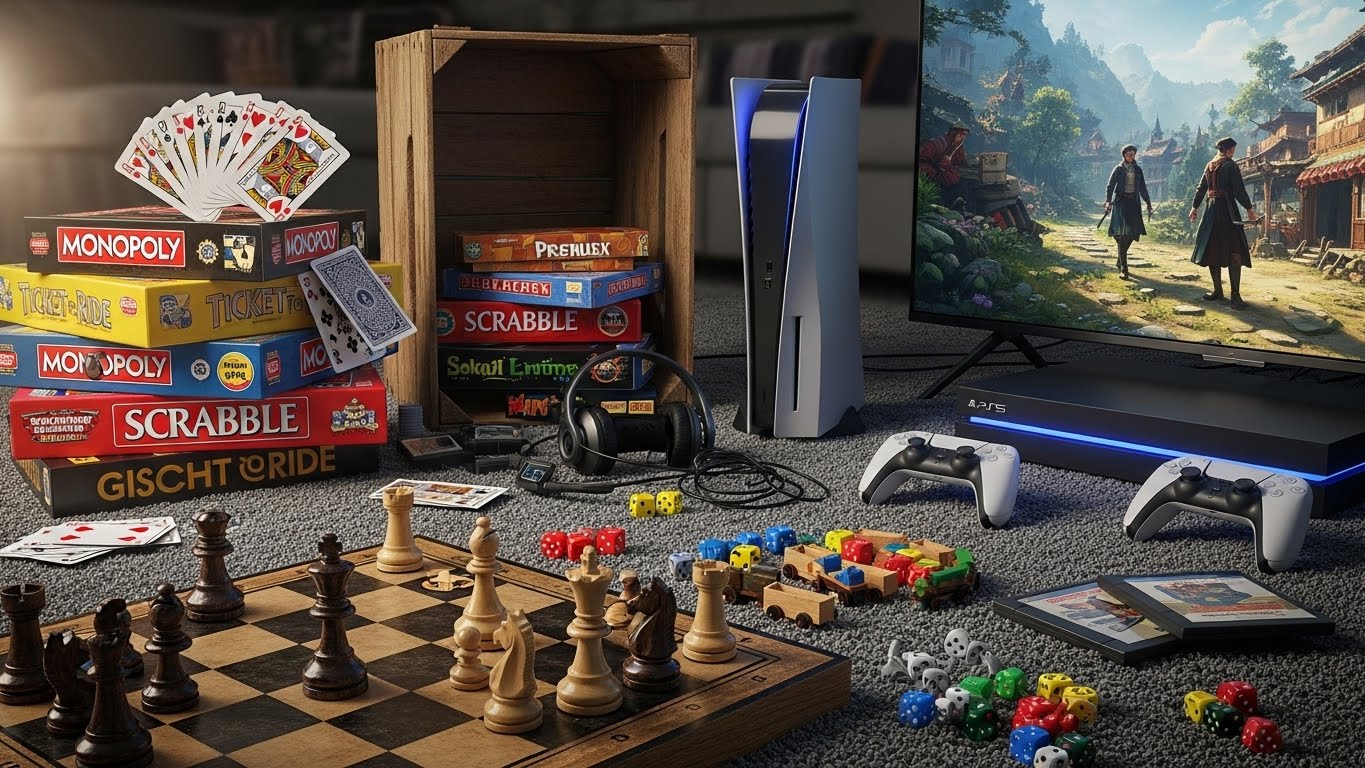
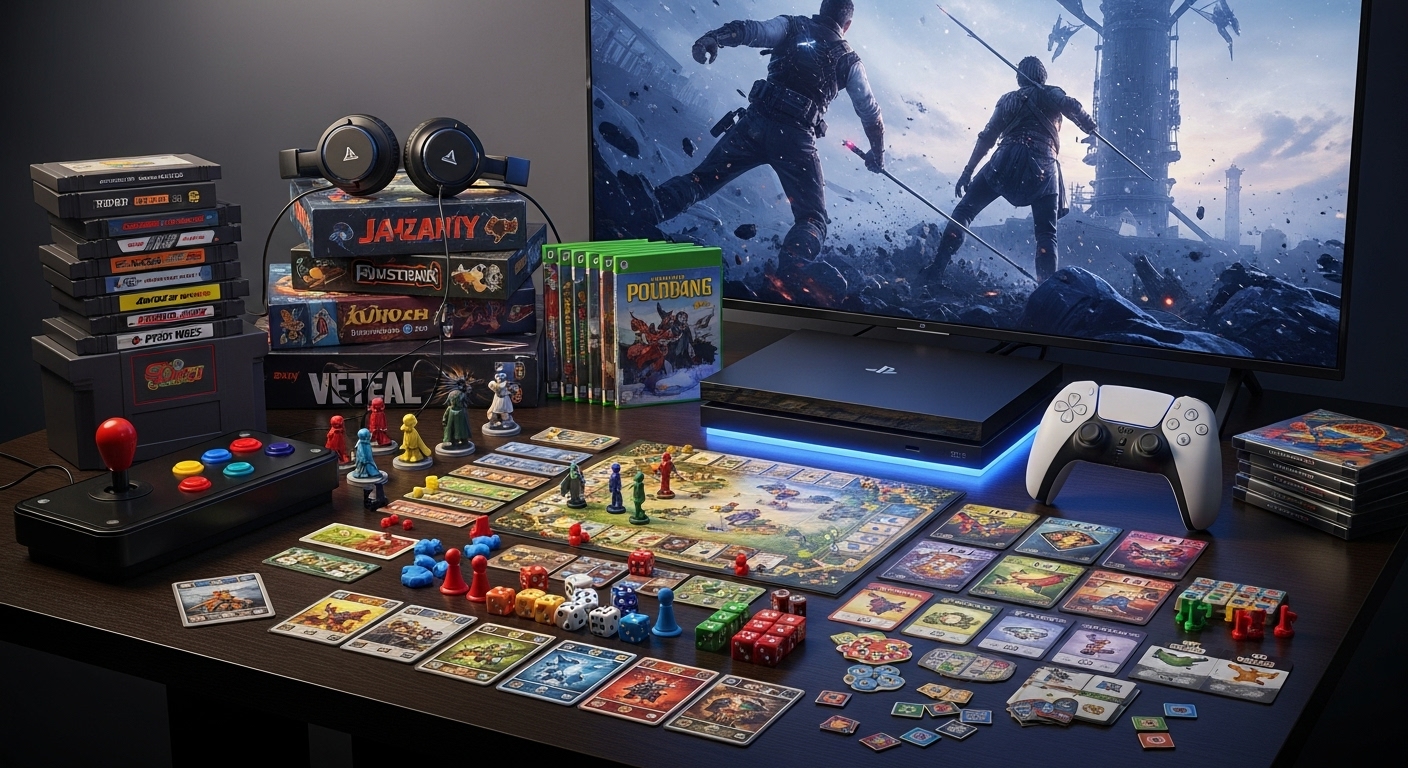
In the modern world, gaming has evolved from a niche activity to a multi-billion-dollar industry that influences not just entertainment but culture, technology, and even education. From simple arcade games to immersive virtual worlds, video games have come a long way in the past few decades. But what is it about games that make them so universally appealing? What keeps people of all ages engaged and invested in these digital worlds? In this blog post, we will take a deep dive into the world of games, exploring their evolution, the impact they have on our lives, and their future potential.
The Dawn of Video Games: A Simple Beginning
The journey of video games began in the early 1950s when the first experimental games were created on large computers. These early games were nothing like what we see today—simple text-based simulations or basic visual displays. One of the earliest examples of a commercial video game was Pong, a two-dimensional table tennis game created by Atari in 1972. Despite its simplicity, Pong became an instant success and marked the birth of the video game industry.
In the early days, games were largely confined to arcades, where people would gather to play for a small fee, competing for high scores. Games like Space Invaders, Pac-Man, and Donkey Kong dominated the arcade scene and established the foundation for what would become a global phenomenon. While these games were basic by today’s standards, they introduced players to the concept of interactive entertainment and competitive play, which would be central themes in the future of gaming.
The Rise of Home Consoles: Gaming Becomes Personal
The next big step in gaming came in the 1980s with the advent of home consoles. Before this, if you wanted to play a game, you had to go to an arcade or have access to a computer. However, systems like the Nintendo Entertainment System (NES) and the Sega Genesis brought gaming into people’s homes, allowing players to enjoy their favorite titles without leaving the house. This marked the beginning of video games becoming a staple in the household, a source of entertainment for all ages.
The introduction of home consoles also paved the way for the creation of iconic franchises such as Super Mario Bros., The Legend of Zelda, and Sonic the Hedgehog. These games combined exciting gameplay, memorable characters, and creative world-building that drew players in. The rise of multiplayer games on consoles further enhanced the experience, as families and friends could now play together in the same room, competing against or collaborating with one another.
The 3D Revolution: Expanding the Limits of Imagination
In the mid-1990s, a major leap in gaming technology occurred with the introduction of 3D graphics. The release of the Sony PlayStation and the Nintendo 64 allowed developers to create fully three-dimensional environments, marking a significant milestone in gaming history. Games like Super Mario 64 and The Legend of Zelda: Ocarina of Time were some of the first to feature fully realized 3D worlds that players could explore in real time. These games were revolutionary, offering immersive experiences where players could roam vast, open environments, solve puzzles, and experience stories in a way that was impossible with the previous 2D systems.
The move to 3D opened up a world of creative possibilities for developers. It allowed for more complex storytelling, dynamic gameplay, and richer environments. Players could now interact with their surroundings in more meaningful ways, using 3D movement to navigate through complex landscapes. This was a game-changer for the industry, and it set the stage for the expansive, open-world games we see today.
The Age of Online Gaming: Connecting the World
As the internet grew in popularity in the late 1990s and early 2000s, online gaming became the next big evolution. Games like Warcraft and Quake allowed players to connect to the internet and compete against or cooperate with others around the world. This introduced a new level of social interaction in gaming, as players could now team up with friends or challenge strangers from different parts of the globe.
Online gaming brought with it the concept of multiplayer competitions, where players could form teams, join clans, and compete for rankings and rewards. This led to the rise of esports, competitive gaming where professional players and teams compete for large prizes in front of millions of viewers. Esports has grown into a multi-billion-dollar industry, with major tournaments for games like League of Legends, Dota 2, and Counter-Strike: Global Offensive drawing large audiences and becoming televised events.
The online gaming revolution also led to the growth of streaming platforms like Twitch, where players could broadcast their gameplay and build massive followings. The rise of social media and video sharing platforms like YouTube made it easier for gamers to share their experiences, creating a global community of players who could interact and share their passion for gaming.
Mobile Gaming: Bringing Games to Everyone
In the 2010s, mobile gaming took the world by storm. With the widespread use of smartphones and tablets, gaming became more accessible than ever before. Games like Angry Birds, Candy Crush Saga, and Clash of Clans offered quick, easy-to-play experiences that could be enjoyed by anyone, anywhere. These games were designed for casual players who may not have had the time or inclination to sit down with a console or PC, but still wanted to enjoy the entertainment that games provide.
Mobile gaming revolutionized the industry by attracting new players who had never considered gaming before. Games like Pokémon GO combined the power of augmented reality (AR) with mobile technology, allowing players to interact with the real world in new and exciting ways. This blurred the lines between reality and gaming, creating a more immersive experience.
With mobile gaming, developers also introduced new business models, including free-to-play games with in-app purchases. While this approach raised some controversy, it undeniably contributed to the massive growth of the gaming industry, as millions of people could now access games without having to buy a console or PC.
The Immersive World of Virtual Reality and Augmented Reality
As technology continues to advance, we now find ourselves in the era of virtual reality (VR) and augmented reality (AR). VR gaming allows players to fully immerse themselves in digital worlds, using headsets like the Oculus Rift, HTC Vive, and PlayStation VR to experience games in a 360-degree environment. This level of immersion creates a unique, unforgettable experience that brings the game world to life in ways that traditional gaming setups cannot.
In addition to VR, AR has begun to make its mark on the gaming world. Games like Pokémon GO and Harry Potter: Wizards Unite allow players to interact with virtual elements overlaid on the real world using their smartphones or AR glasses. This fusion of the physical and digital realms has opened up exciting new possibilities for gaming, as players can now engage with their surroundings in entirely new ways.
The potential for VR and AR in gaming is vast, with applications ranging from immersive storytelling to virtual sports and education. As these technologies continue to evolve, the future of gaming looks more exciting than ever before.
The Cultural Impact of Games
Beyond being a form of entertainment, games have become an integral part of popular culture. Iconic characters like Mario, Sonic, and Lara Croft are recognized around the world, and game franchises such as The Legend of Zelda and Final Fantasy have spawned entire universes, including films, books, and merchandise. Gaming conventions like E3, PAX, and BlizzCon attract millions of fans who celebrate their love for games and engage with developers to learn about upcoming releases.
Video games have also influenced other forms of media, with film adaptations of popular games becoming more common. Movies like Detective Pikachu and The Super Mario Bros. Movie are just a few examples of how games have made their way into mainstream entertainment. Additionally, gaming culture has influenced music, fashion, and even social movements, with gaming communities on platforms like Reddit, Discord, and Twitch fostering a sense of camaraderie and belonging among players.
The Future of Gaming
As technology continues to advance, the future of gaming holds infinite potential. Cloud gaming, where players can stream games directly to their devices without needing powerful hardware, is already becoming a reality. This could make high-quality gaming accessible to millions of people around the world, regardless of their device’s capabilities.
Artificial intelligence (AI) will also play a huge role in the future of gaming, with AI-driven characters and environments that react dynamically to player decisions. This could lead to more personalized and responsive gameplay experiences, where no two playthroughs are ever the same.
Moreover, the continued evolution of VR and AR will likely blur the lines between the physical and digital worlds even further, making gaming a more immersive and interactive experience than ever before.
Conclusion
The world of gaming has come a long way, from its humble beginnings in arcades to the vast, immersive universes of today. As technology continues to advance, the possibilities for gaming are endless, offering new ways to engage, connect, and experience digital worlds. Gaming is no longer just a pastime—it’s an essential part of modern culture, education, and entertainment.
Whether you’re a casual player enjoying a mobile game or a competitive esports enthusiast, the gaming world offers something for everyone. As we look to the future, one thing is certain: the journey of gaming is far from over, and we are only beginning to scratch the surface of what this dynamic medium can achieve.