
Introduction: Gaming in the Modern Era
Gaming has evolved from simple pastimes to complex, immersive experiences that captivate millions worldwide. Once viewed as a hobby for children or niche communities, gaming has become a major entertainment industry, rivaling film, music, and sports in revenue, influence, and cultural impact. Today, players engage in a wide variety of games, from casual mobile titles to competitive esports and expansive open-world adventures.
The appeal of gaming lies not only in its entertainment value but also in its ability to connect people, spark creativity, and challenge strategic thinking. This blog explores the evolution of games, the technology behind them, the rise of competitive gaming, and the impact of gaming culture on society.
The History and Evolution of Games
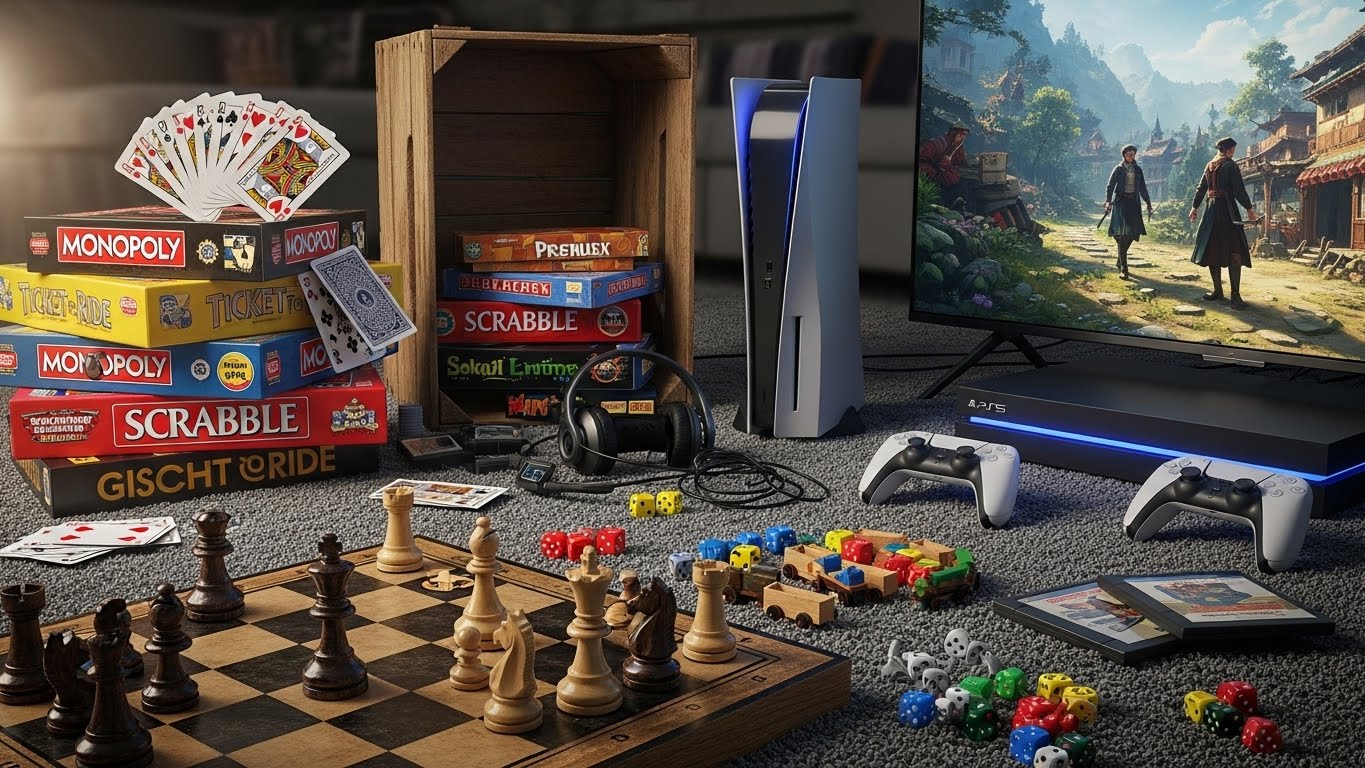
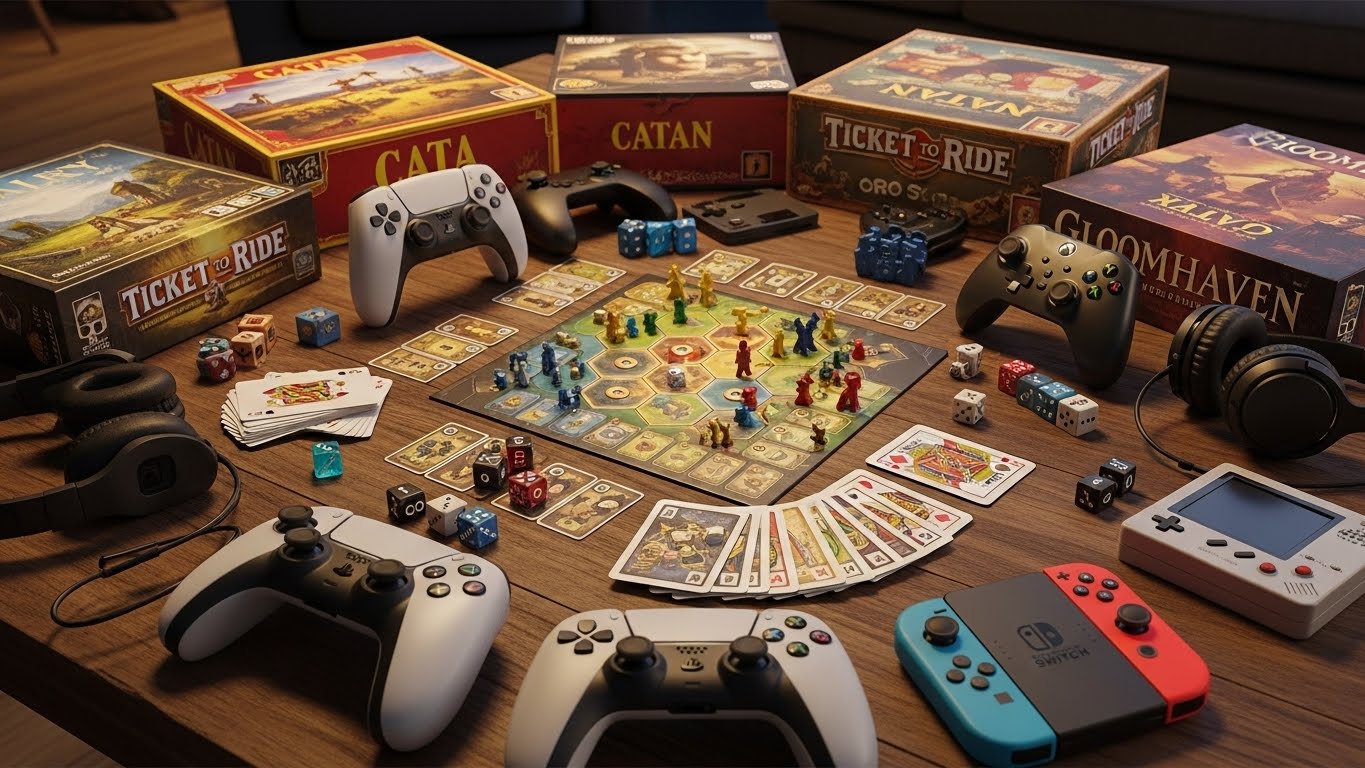
The history of games spans centuries, beginning with board games, card games, and sports that tested skill, strategy, and chance. With the invention of video game consoles in the 1970s and 1980s, gaming entered a new era. Classic titles like Pong, Pac-Man, and Space Invaders laid the groundwork for the modern industry.
The 1990s introduced home computers and more sophisticated consoles, enabling players to experience richer graphics, storylines, and gameplay mechanics. Games became interactive stories where choices and strategies mattered, giving players a sense of agency and immersion. Over time, the industry expanded into multiplayer and online gaming, connecting players across the globe.
The Role of Technology in Gaming
Technology has been the driving force behind the evolution of gaming. Graphics engines, powerful processors, and high-speed internet have transformed games into cinematic experiences. Advanced rendering and physics engines create realistic worlds, while artificial intelligence enables adaptive and challenging gameplay.
Virtual reality and augmented reality have taken immersion to new levels, allowing players to explore and interact with game worlds in three dimensions. Mobile technology has made gaming accessible to anyone with a smartphone, expanding the audience to include casual players and diverse demographics. Technology has not only enhanced gameplay but also revolutionized how games are developed, marketed, and experienced.
Types of Games and Their Appeal
Gaming is incredibly diverse, catering to different preferences and play styles. Action games test reflexes and coordination, while strategy games challenge planning and critical thinking. Role-playing games allow players to inhabit characters, make choices, and explore vast narratives.
Casual and mobile games provide quick entertainment, perfect for short play sessions, while competitive games and esports foster teamwork, skill development, and strategic competition. Simulation games offer realistic experiences, from managing cities to piloting aircraft, blending entertainment with education. The diversity of games ensures there is something for everyone, appealing to players of all ages and interests.
The Rise of Online Gaming and Communities
Online gaming has transformed how players interact and experience games. Multiplayer platforms allow users to connect across continents, forming communities based on shared interests. Social features, voice chat, and in-game events foster collaboration, competition, and friendship.
Games like Fortnite, World of Warcraft, and Minecraft have created cultural phenomena, with players participating in global events, tournaments, and fan-driven content. Online gaming communities are vibrant ecosystems where players exchange strategies, create content, and support one another, transforming games into social platforms and shared experiences.
Competitive Gaming and Esports
The rise of competitive gaming, or esports, has elevated gaming from leisure activity to professional sport. Players now train rigorously, develop strategies, and compete for substantial prize pools in games like League of Legends, Counter-Strike, and Dota 2.
Esports tournaments draw millions of viewers online and in stadiums worldwide, with professional players becoming celebrities and influencers. Competitive gaming emphasizes teamwork, communication, and mental agility, challenging stereotypes that gaming is solitary or purely recreational. The esports industry continues to grow, attracting sponsorships, media attention, and educational programs that train aspiring players.
Mobile Gaming and Casual Play
Mobile gaming has expanded the gaming audience dramatically. Smartphones allow users to play anytime and anywhere, making casual gaming a ubiquitous part of daily life. Popular titles like Candy Crush, Pokémon Go, and Clash of Clans attract millions of players with simple mechanics, rewards systems, and social features.
Mobile gaming also fosters innovation, with developers experimenting with augmented reality, geolocation, and social integration. The accessibility of mobile games makes gaming more inclusive, appealing to diverse age groups and demographics, and ensuring that the industry continues to grow worldwide.
The Impact of Gaming on Creativity and Learning
Games are more than entertainment; they can foster creativity, problem-solving, and learning. Sandbox games like Minecraft encourage players to build, design, and experiment in open-ended environments. Strategy games develop critical thinking and planning skills, while narrative-driven games enhance empathy and storytelling appreciation.
Educational games and simulations combine fun with learning, teaching subjects like history, mathematics, and science in interactive ways. The cognitive and social benefits of gaming demonstrate that games can have a meaningful impact beyond leisure, influencing creativity, collaboration, and personal growth.
Cultural Influence of Gaming
Gaming has become a cultural phenomenon, influencing fashion, music, film, and social trends. Popular games inspire fan art, cosplay, merchandise, and community events. Iconic characters, soundtracks, and in-game worlds become part of mainstream culture, bridging digital and real-life experiences.
Gaming conventions, streaming platforms, and content creation have turned gaming into a social and cultural hub. Streamers and content creators engage audiences through commentary, tutorials, and entertainment, further expanding the cultural reach of games. Gaming has become a shared experience that transcends age, geography, and language.
Challenges in the Gaming Industry
Despite its success, the gaming industry faces challenges. Concerns about screen time, gaming addiction, and exposure to inappropriate content are ongoing. Developers must balance monetization strategies, such as in-game purchases, with ethical considerations to protect players.
Diversity and inclusion remain important topics, as representation in games and among developers continues to evolve. Cybersecurity, privacy, and online harassment are also critical issues in online and multiplayer environments. Addressing these challenges is essential to maintaining a safe, engaging, and sustainable gaming ecosystem.
The Future of Gaming
The future of gaming promises further innovation and expansion. Emerging technologies like cloud gaming, artificial intelligence, and virtual reality will create more immersive and accessible experiences. Cross-platform play and subscription services are breaking down barriers, allowing players to engage seamlessly across devices.
Games will increasingly blend entertainment with education, social interaction, and real-world integration. The line between gaming, social media, and digital lifestyle will continue to blur, establishing games as a central part of global culture and daily life.
Conclusion: Gaming as a Global Phenomenon
Gaming has evolved from simple entertainment to a complex, immersive, and influential cultural force. Technology drives innovation, accessibility, and realism, while online communities, esports, and mobile gaming have expanded the audience and engagement. Games foster creativity, problem-solving, and social interaction, impacting both leisure and learning.
The gaming industry continues to grow and evolve, shaping culture, technology, and entertainment worldwide. As gaming becomes increasingly integrated into daily life, it reflects human creativity, innovation, and the desire for connection and challenge. The future of gaming is limitless, offering new experiences, communities, and opportunities for players of all ages.