Games have always been more than a way to pass time. They challenge the mind, bring people together, and encourage creativity. From ancient board games to modern digital experiences, games continue to evolve, shaping entertainment and influencing human development in remarkable ways.
The Evolution of Games
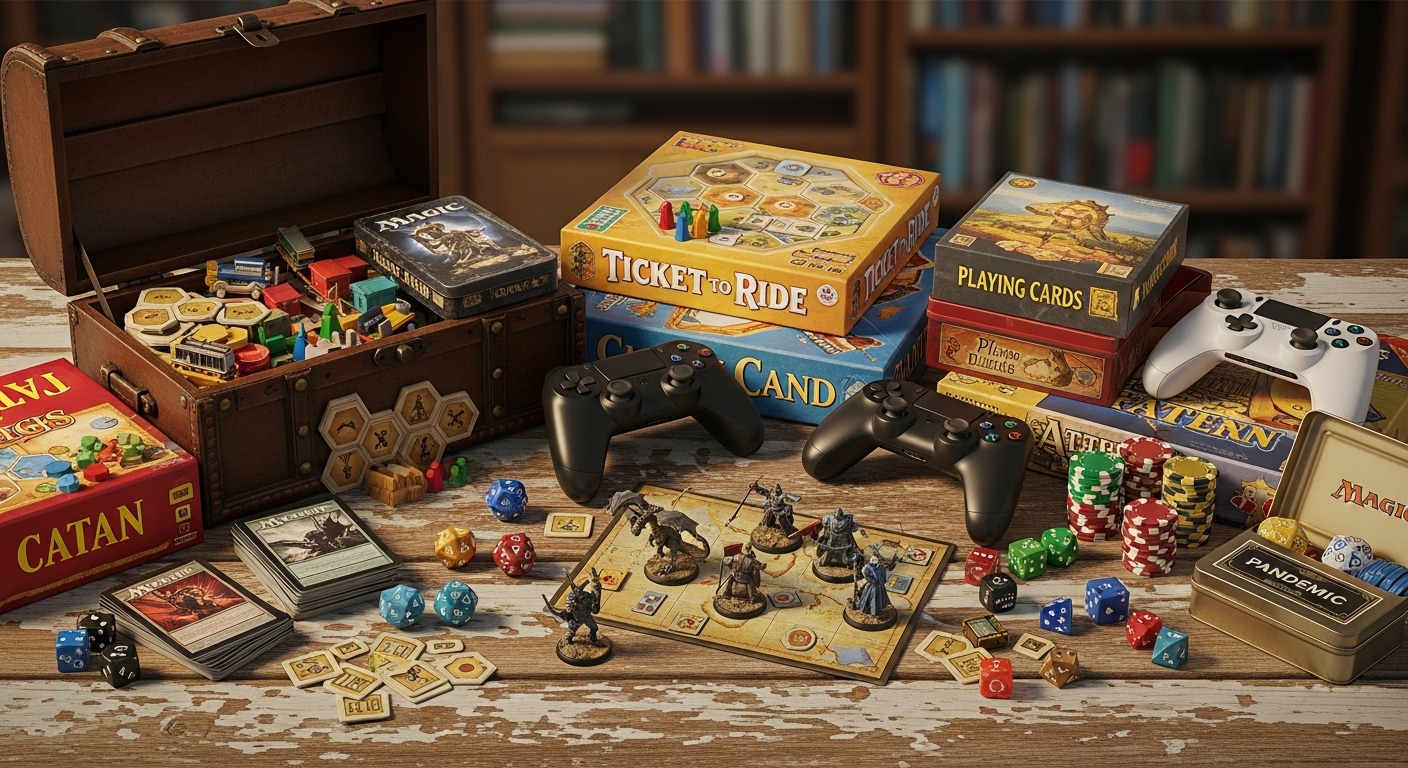
The history of games stretches back thousands of years. Traditional games like chess, cards, and outdoor sports laid the foundation for the spirit of competition and strategy. With technological progress, digital gaming emerged, offering new forms of interactive entertainment. Today, games come in many forms—video games, puzzles, mobile apps, and even virtual reality worlds—each providing unique experiences for players of all ages.
Learning Through Play
Games are powerful tools for learning. They develop problem-solving skills, enhance memory, and encourage critical thinking. Educational games make learning fun by turning lessons into challenges, helping students absorb information more easily. Strategy games teach planning and decision-making, while creative games inspire imagination and innovation. Through play, individuals develop both mental agility and emotional intelligence.
Building Connections and Communities
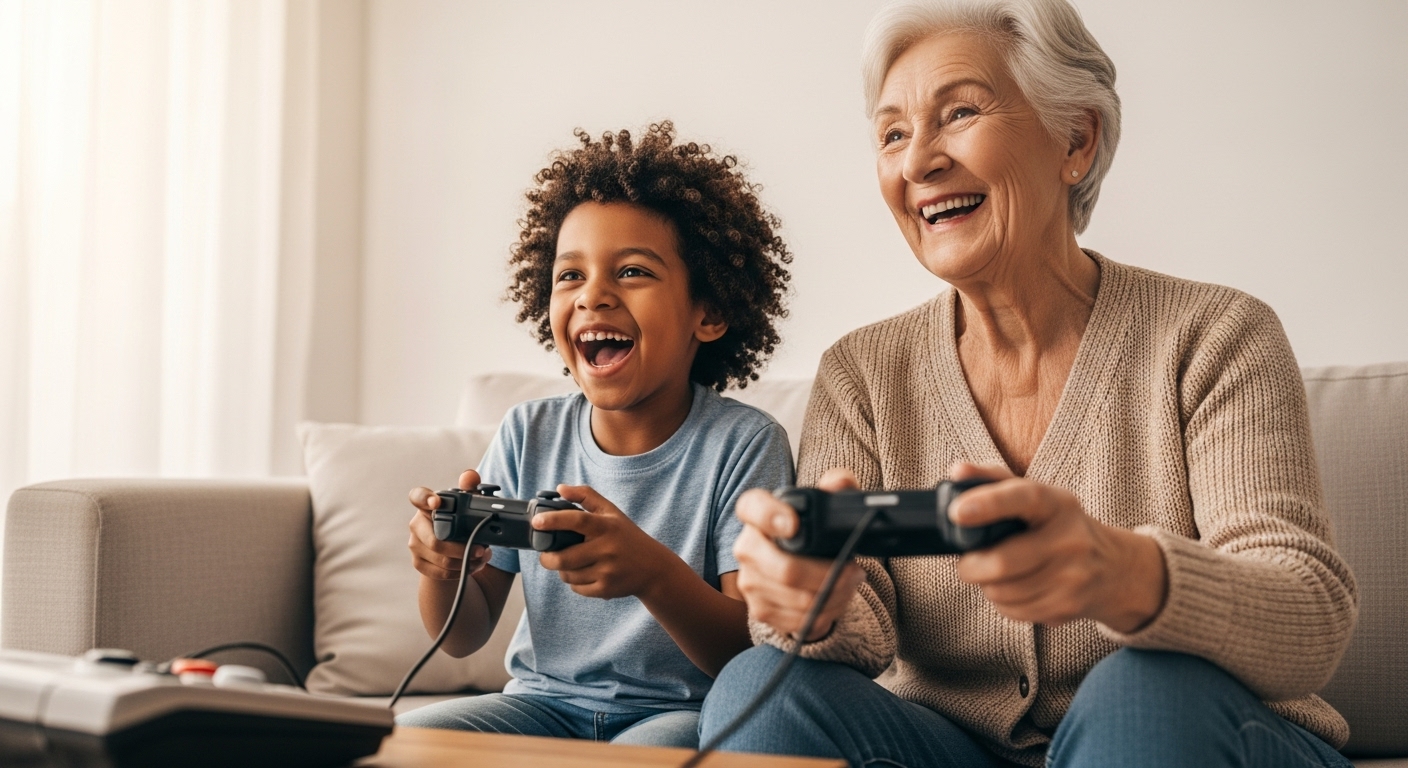
One of the most remarkable aspects of games is their ability to connect people. Whether played around a table or online, games encourage communication, teamwork, and shared enjoyment. Multiplayer games create global communities where players collaborate, compete, and form friendships. These connections show how play can bring people together beyond age, culture, or language barriers.
Games as a Source of Creativity
Games are not only played—they are created. Game design blends art, storytelling, and technology to produce immersive experiences. Players also express creativity by building virtual worlds, designing characters, and exploring limitless possibilities within games. This creative engagement helps develop imagination and encourages innovation, making gaming both an art and a science.
The Role of Games in Mental Wellbeing
Playing games can reduce stress and improve mental health. Engaging in enjoyable challenges releases positive emotions and helps people relax. Cooperative games foster a sense of belonging, while solo games offer personal reflection and focus. When balanced responsibly, games provide a healthy escape from daily pressures, promoting happiness and relaxation.
The Future of Games
The world of games is growing faster than ever. Virtual reality, augmented reality, and artificial intelligence are changing how people play and interact. Future games will become more immersive, educational, and socially impactful. As technology advances, games will continue to influence learning, creativity, and connection on a global scale.
Conclusion
Games are far more than entertainment—they are experiences that shape minds, strengthen relationships, and spark imagination. From traditional board games to cutting-edge virtual adventures, the power of play continues to evolve and inspire. Games remind us that learning, creativity, and joy can go hand in hand, proving that play is an essential part of human life.