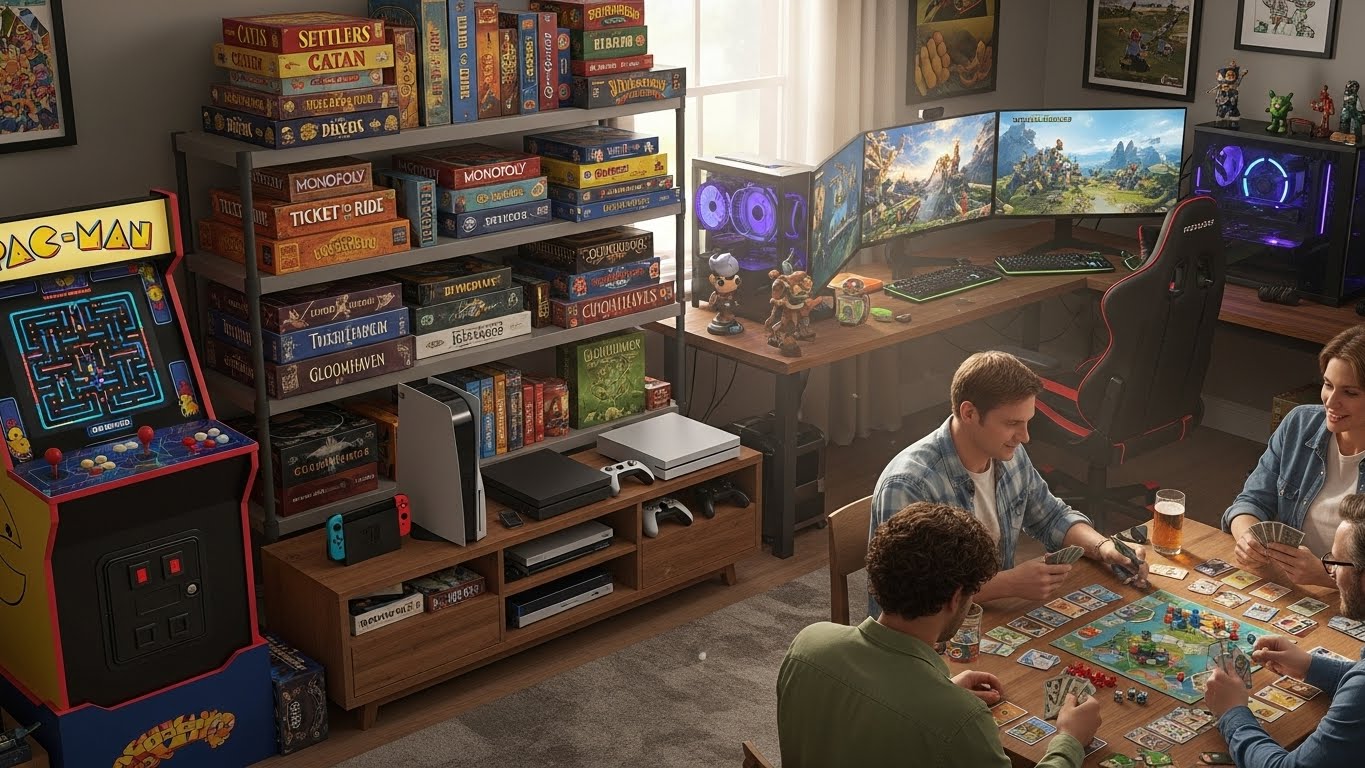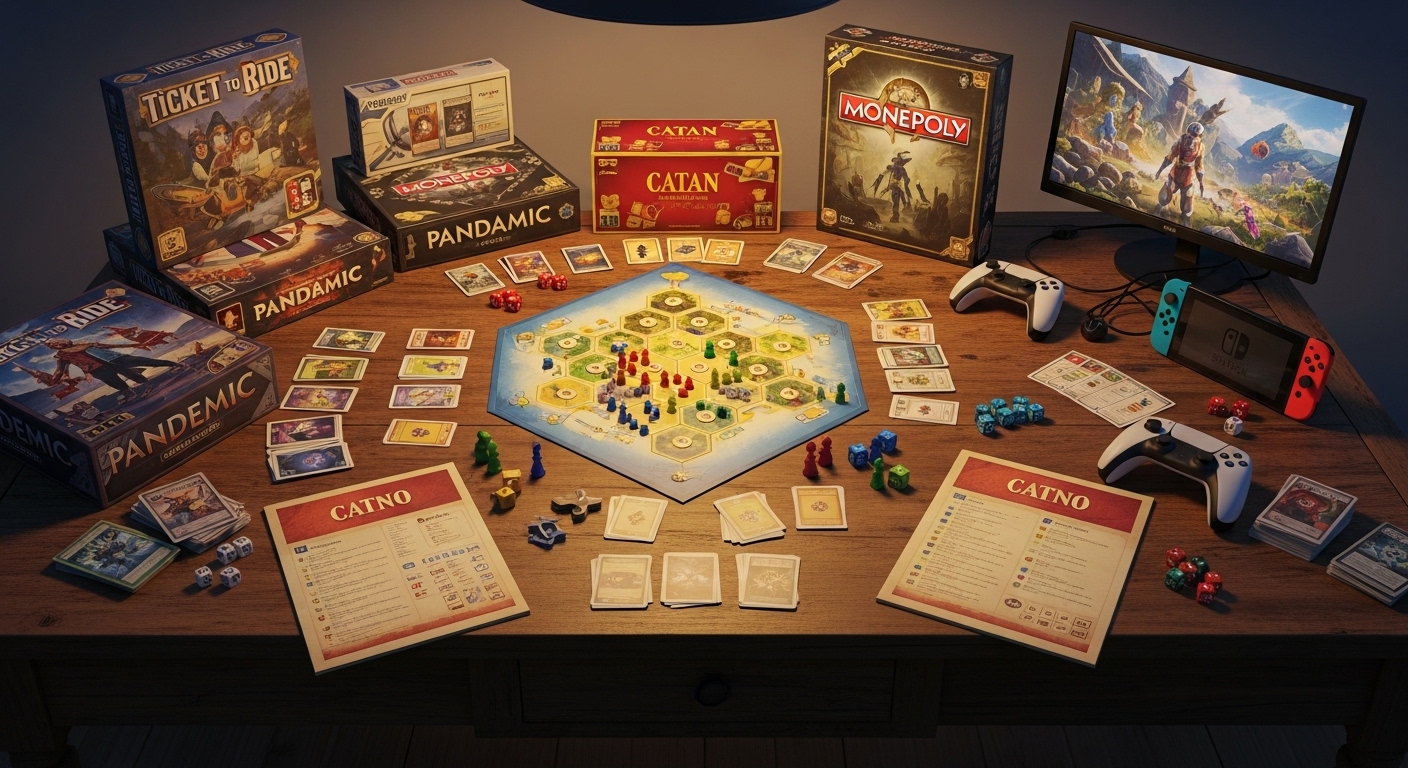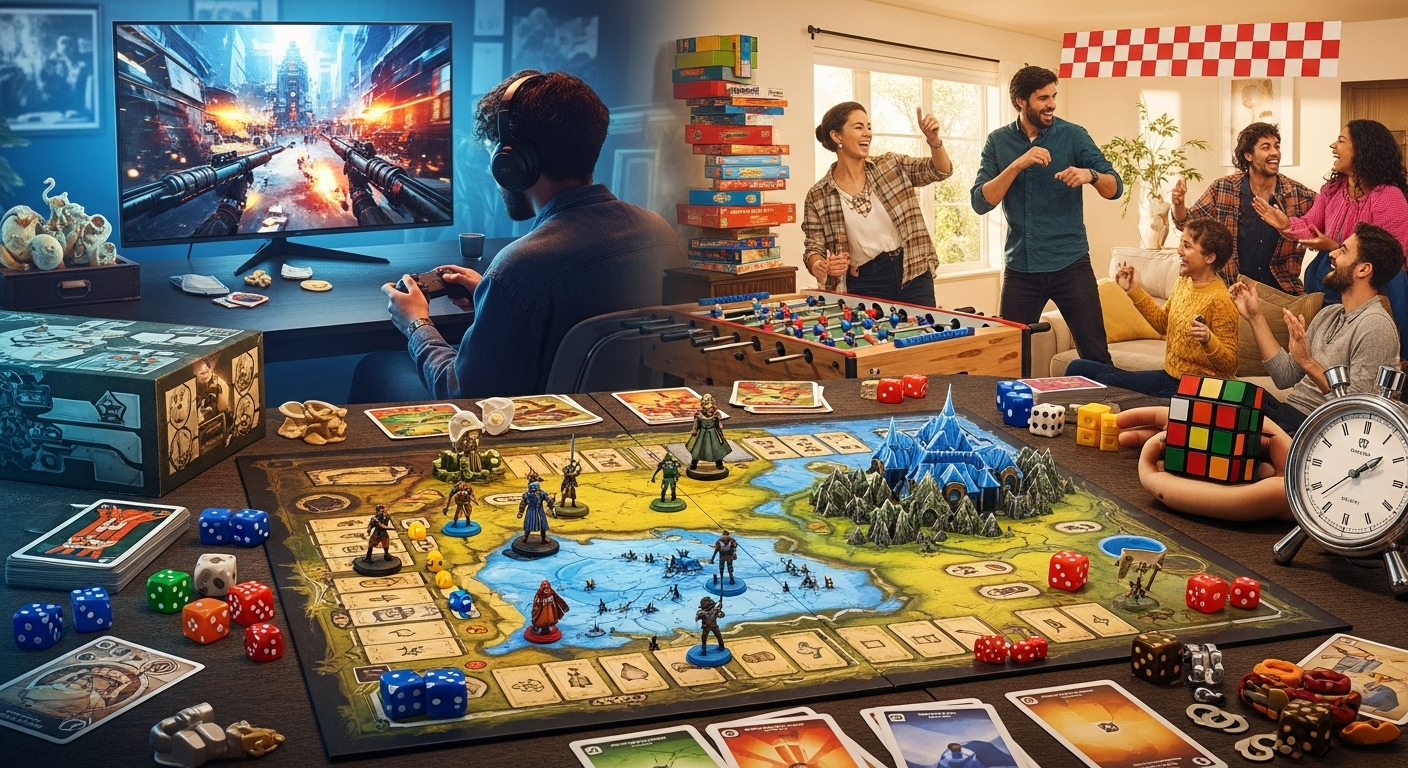

Games have always been an integral part of human culture, from traditional board games that have been passed down through generations to modern digital experiences that immerse players in breathtaking virtual worlds. With the rise of technology, gaming has transformed into a global phenomenon that caters to all ages, interests, and skill levels. This blog post will take you on a journey through the world of games, exploring their evolution, their impact on society, and the various types of games that have captivated millions.
The Evolution of Gaming
The world of gaming has come a long way from its early beginnings. In the 1950s, the first rudimentary video games were created for research and entertainment purposes. Over time, these primitive games evolved into more complex and engaging experiences. The 1970s saw the introduction of arcade games like Pong, which sparked the beginning of a gaming revolution. In the 1980s and 1990s, the rise of home consoles and the internet expanded gaming into households worldwide, paving the way for multiplayer online experiences.
Fast forward to today, and we have access to an almost infinite range of gaming experiences, from mobile games on smartphones to high-definition games on powerful gaming PCs and consoles. The continuous development of graphics, artificial intelligence, and virtual reality has made gaming an increasingly immersive and dynamic experience.
Types of Games: Something for Everyone
One of the most exciting aspects of gaming is its diversity. There is a game for virtually every interest and skill level. Whether you’re into strategy, storytelling, action, or exploration, the gaming world has something for you.
1. Action Games: Fast-Paced Fun
Action games are perhaps the most well-known genre, offering players adrenaline-pumping experiences where quick reflexes and skill are key. Games like Call of Duty, Fortnite, and Assassin’s Creed have become household names, with players diving into combat scenarios, platforming challenges, and daring escapades. The action genre is beloved for its fast pace and immersive environments, allowing players to take on epic battles, save worlds, or simply escape into worlds of fantasy.
2. Role-Playing Games (RPGs): Dive Into Another World
RPGs allow players to step into the shoes of a character and experience an entirely different world. These games often feature intricate storylines, character development, and expansive environments. Games like The Witcher 3, Final Fantasy, and The Elder Scrolls V: Skyrim allow players to create their own heroes, make impactful decisions, and explore vast landscapes full of quests and mysteries.
What sets RPGs apart is the sense of progression. Players can level up their characters, acquire new skills, and shape the narrative based on their choices. RPGs are perfect for those who enjoy deep storytelling, world-building, and personalization.
3. Strategy Games: Plan and Conquer
Strategy games are all about critical thinking, long-term planning, and tactical execution. Whether it’s managing resources, commanding armies, or solving puzzles, these games challenge players to think several steps ahead. Popular strategy games like Civilization, Starcraft, and Age of Empires offer players the chance to build empires, lead armies, or manage complex civilizations.
Strategy games can be divided into two broad categories: real-time strategy (RTS), where players must make decisions on the fly, and turn-based strategy (TBS), where players take turns to execute their plans. These games often require patience and a deep understanding of the game mechanics, making them perfect for players who love to outsmart their opponents.
4. Simulation Games: Life in the Virtual World
Simulation games allow players to experience aspects of real life or fantasy in a controlled environment. From building cities to managing farms, simulation games cover a wide array of experiences. Games like The Sims, SimCity, and FarmVille have captivated players with their focus on creativity, management, and social interaction.
In these games, players have the freedom to shape environments, control characters, and experiment with different scenarios. The beauty of simulation games lies in their relaxed pace, which allows players to immerse themselves in the game world without the pressure of high-stakes action.
5. Sports Games: A Virtual Arena
For fans of real-world sports, sports games bring the action to the digital realm. From football to basketball, racing to tennis, sports games like FIFA, NBA 2K, and Gran Turismo allow players to control their favorite teams, athletes, and vehicles in realistic simulations. These games often feature real-life mechanics, such as physics and team strategies, that give players an authentic sports experience.
Multiplayer modes in sports games enable friends and strangers to compete against each other online, making these titles some of the most popular for social gaming.
6. Puzzle Games: Brain Teasers and Challenges
Puzzle games are perfect for players who enjoy testing their mental agility and problem-solving skills. Games like Tetris, Candy Crush Saga, and Portal provide a variety of challenges that engage the brain and keep players coming back for more. Puzzle games can range from simple matching mechanics to complex, multi-step problems that require careful thought and planning.
The beauty of puzzle games is that they can be played in short bursts, making them ideal for casual gaming sessions. These games often rely on pattern recognition, logic, and spatial awareness, providing satisfying challenges for players of all ages.
Gaming as a Social Experience
While gaming was once seen as a solitary activity, today’s gaming landscape is more social than ever. Online multiplayer games have created vast communities of players who connect, compete, and collaborate in virtual spaces. Games like Minecraft, League of Legends, and Among Us have become platforms for social interaction, where players not only game together but also form friendships and join virtual communities.
Gaming has also made its way into the realm of live streaming, with platforms like Twitch and YouTube Gaming allowing players to broadcast their gameplay to a global audience. This has led to the rise of gaming influencers, who entertain millions of viewers while playing their favorite games, creating a new form of social entertainment.
The Future of Gaming
The future of gaming looks incredibly promising, with several innovations on the horizon. The development of virtual reality (VR) and augmented reality (AR) is expected to revolutionize how we interact with games, creating more immersive experiences that blur the line between the digital and physical worlds. Players could soon step into their favorite games and explore these worlds as if they were actually there.
Additionally, cloud gaming is poised to change the way games are distributed and played. With services like Google Stadia and Xbox Cloud Gaming, players no longer need high-end gaming hardware to play the latest titles; instead, they can stream games directly to their devices, making gaming more accessible than ever.
Conclusion: Gaming for Everyone
The world of games is vast, dynamic, and ever-evolving. From heart-pounding action to thoughtful strategy, from immersive RPGs to casual puzzle games, there’s a game out there for everyone. As technology continues to advance, gaming will only become more integrated into our daily lives, offering new ways to entertain, connect, and challenge ourselves.
Whether you’re a seasoned gamer or someone just starting to explore the world of video games, there’s no shortage of experiences to enjoy. The gaming industry continues to grow, and with it, the possibilities for creative expression, storytelling, and social interaction. As we move forward, one thing is certain: games will continue to be a central part of our lives, offering endless adventures, challenges, and memories.