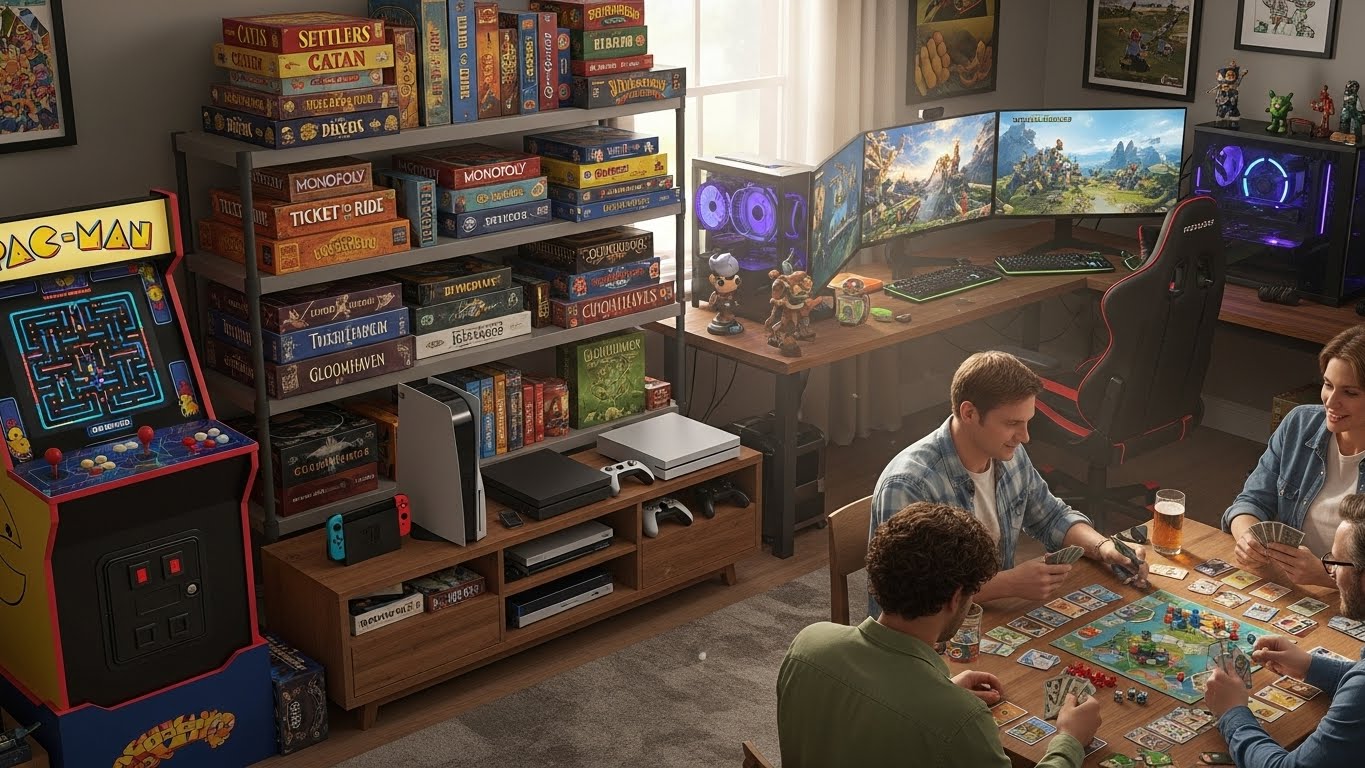

Introduction: The Timeless Appeal of Games
Games have been an integral part of human culture for centuries. They are not just a source of entertainment but also a means of learning, socializing, and challenging oneself. From simple board games in ancient civilizations to immersive video games today, games have evolved alongside humanity, reflecting cultural, technological, and societal changes.
The concept of games transcends age, culture, and geography. They engage the mind, test skills, and often provide a sense of achievement. This blog explores the history of games, their diverse forms, the cognitive and social benefits they offer, and how modern technology has transformed gaming into a global phenomenon.
The Ancient Origins of Games
The history of games stretches back thousands of years. Ancient civilizations used games not only for leisure but also to teach strategy, patience, and social skills. The Egyptian game of Senet, dating back over 5,000 years, was a spiritual and recreational activity. Similarly, the board game Go, originating in China, emphasized strategic thinking and planning.
Games often mirrored society and culture. For example, dice games in Mesopotamia reflected mathematical understanding and risk-taking. In medieval Europe, chess became a tool to teach military strategy, while card games were used for social interaction and entertainment. These early games laid the foundation for the complex and varied gaming experiences we enjoy today.
The Evolution of Traditional Games
Traditional games include board games, card games, and outdoor activities that have endured for generations. Games like chess, checkers, and backgammon teach strategy, critical thinking, and patience. Card games such as poker and bridge emphasize skill, probability, and social interaction.
Outdoor games and sports, such as tag, hide-and-seek, soccer, and relay races, foster physical fitness, teamwork, and coordination. These games also play a role in building communities and strengthening social bonds. Even in an age dominated by digital technology, traditional games continue to thrive because they provide tactile, face-to-face interaction that screens cannot replicate.
The Rise of Digital and Video Games
The advent of computers and gaming consoles marked a revolution in the world of games. Early video games like Pong, Space Invaders, and Pac-Man captivated audiences with their simplicity and challenge. The 1980s and 1990s saw the rise of home consoles, making gaming accessible to millions.
Modern video games have evolved into complex, immersive experiences. They combine advanced graphics, realistic physics, storytelling, and interactivity to create worlds where players can explore, compete, and collaborate. From action-packed shooters to narrative-driven adventures, video games cater to a wide array of interests and skill levels.
The Diverse Genres of Games
Games today come in numerous genres, each offering unique experiences:
Action and Adventure Games
These games focus on fast-paced gameplay, exploration, and problem-solving. Players engage in challenges, navigate obstacles, and uncover narratives within immersive worlds.
Role-Playing Games
RPGs allow players to assume the roles of characters, making decisions that shape the story and character development. These games combine storytelling, strategy, and skill progression.
Puzzle and Strategy Games
These games test logic, planning, and problem-solving abilities. They require critical thinking and strategic foresight, appealing to players who enjoy mental challenges.
Simulation Games
Simulation games recreate real-world activities, from farming and city management to flying planes. They offer players practical knowledge, creativity, and a sense of accomplishment.
Sports and Racing Games
These games emulate real-life sports and competitive activities, allowing players to experience athletic challenges virtually. They appeal to fans of realism, competition, and skill-based gameplay.
Casual and Party Games
Designed for accessibility and social interaction, these games are easy to learn and perfect for gatherings or quick play sessions.
The wide variety of genres ensures that games are inclusive and cater to diverse tastes and preferences.
The Cognitive Benefits of Playing Games
Games offer more than entertainment; they provide significant cognitive benefits. Strategy games enhance problem-solving skills, while puzzle games improve memory and attention to detail. Role-playing and adventure games encourage decision-making, critical thinking, and long-term planning.
Action and simulation games can enhance hand-eye coordination, spatial awareness, and multitasking skills. Educational games integrate learning with play, making subjects like mathematics, history, and science more engaging. Games also promote creativity, strategic thinking, and persistence, making them valuable tools for mental development.
Social Interaction Through Games
Games foster social interaction in both traditional and digital formats. Multiplayer board games and card games encourage communication, cooperation, and friendly competition. Outdoor and sports games build teamwork, leadership, and social skills.
In digital gaming, online multiplayer platforms connect players across the globe. Communities form around shared interests, cooperative missions, or competitive play. These interactions foster friendships, mentorship, and collaboration, creating vibrant and supportive social networks. Gaming events, conventions, and tournaments provide further opportunities for real-life socialization, reinforcing community bonds.
Professional Gaming and eSports
The rise of professional gaming, or esports, has transformed gaming into a global industry. Competitive players train rigorously, participate in tournaments, and build careers through streaming and sponsorships.
Esports teams function like traditional sports teams, employing coaches, analysts, and support staff. Major tournaments attract massive audiences and substantial prize pools, making gaming a legitimate career path. The growth of esports has also elevated gaming as a spectator sport, combining strategy, skill, and entertainment for millions of viewers worldwide.
Technology and the Future of Gaming
Technology has driven the evolution of games, creating increasingly immersive and interactive experiences. Virtual reality and augmented reality allow players to step into digital worlds physically. Artificial intelligence creates smarter, adaptive gameplay, enhancing challenge and engagement.
Cloud gaming allows access to high-quality games without expensive hardware, expanding accessibility for players worldwide. Cross-platform play enables players on different devices to interact, collaborate, and compete seamlessly.
As technology continues to advance, games will become even more immersive, personalized, and interconnected. The future of gaming promises hybrid experiences that combine storytelling, interactivity, and social engagement, pushing the boundaries of entertainment.
Cultural Impact of Games
Games have become a significant cultural force, influencing art, literature, music, and social trends. Popular games inspire fan art, cosplay, and community creations, allowing players to participate in cultural expression.
Games often explore themes such as morality, identity, conflict, and social issues, providing players with opportunities for empathy, reflection, and personal growth. They also serve as platforms for cultural exchange, connecting people from different backgrounds and promoting understanding.
The impact of games extends beyond play, shaping social interaction, creativity, and global culture.
Balancing Play and Responsibility
While games offer numerous benefits, moderation is essential. Excessive gaming can lead to sedentary behavior, social isolation, and mental fatigue. Online interactions may expose players to toxic behavior or harassment.
Developers, parents, and players must encourage healthy gaming habits, balancing play with physical activity, education, and social responsibilities. Positive gaming communities, age-appropriate content, and self-regulation contribute to a rewarding and sustainable gaming experience.
Conclusion: The Enduring Power of Games
Games are more than entertainment; they are a reflection of human creativity, culture, and innovation. From ancient board games to modern digital masterpieces, they provide joy, challenge, and social connection.
Gaming engages the mind, fosters community, and offers opportunities for personal growth. It combines art, technology, strategy, and storytelling, creating experiences that are both immersive and meaningful.
As technology evolves and games continue to innovate, they will remain a vital part of human culture, shaping entertainment, education, and social interaction for generations to come.
Whether played casually with friends or professionally on a global stage, games connect people, inspire creativity, and challenge the imagination, proving that their appeal is timeless and universal.