Introduction: Games as a Universal Experience
Games are a fundamental part of human culture, serving as both entertainment and a tool for learning, socialization, and personal growth. From ancient board games to modern video games, play has always been a way for people to challenge themselves, connect with others, and explore new worlds. Games are not limited by age, gender, or culture—they are a universal experience that reflects creativity, strategy, and imagination.
Beyond entertainment, games offer profound benefits. They can improve cognitive skills, foster teamwork, encourage problem-solving, and provide an escape from daily stress. The evolution of games from simple pastimes to complex digital experiences illustrates how play continues to influence society and culture in meaningful ways.
The Origins of Games
Games have existed for thousands of years, originating in different cultures around the world. Early humans played games to simulate real-life activities, such as hunting, warfare, and trade. Ancient civilizations created structured games that served educational, social, and religious purposes.
For instance, the Egyptians played Senet, one of the earliest known board games, which combined strategy with spiritual symbolism. In ancient China, Go emerged as a complex game of strategy that has endured for thousands of years. Similarly, ancient Greeks and Romans played games that tested skill, agility, and intellect, laying the foundation for many modern games.
The Evolution of Modern Games
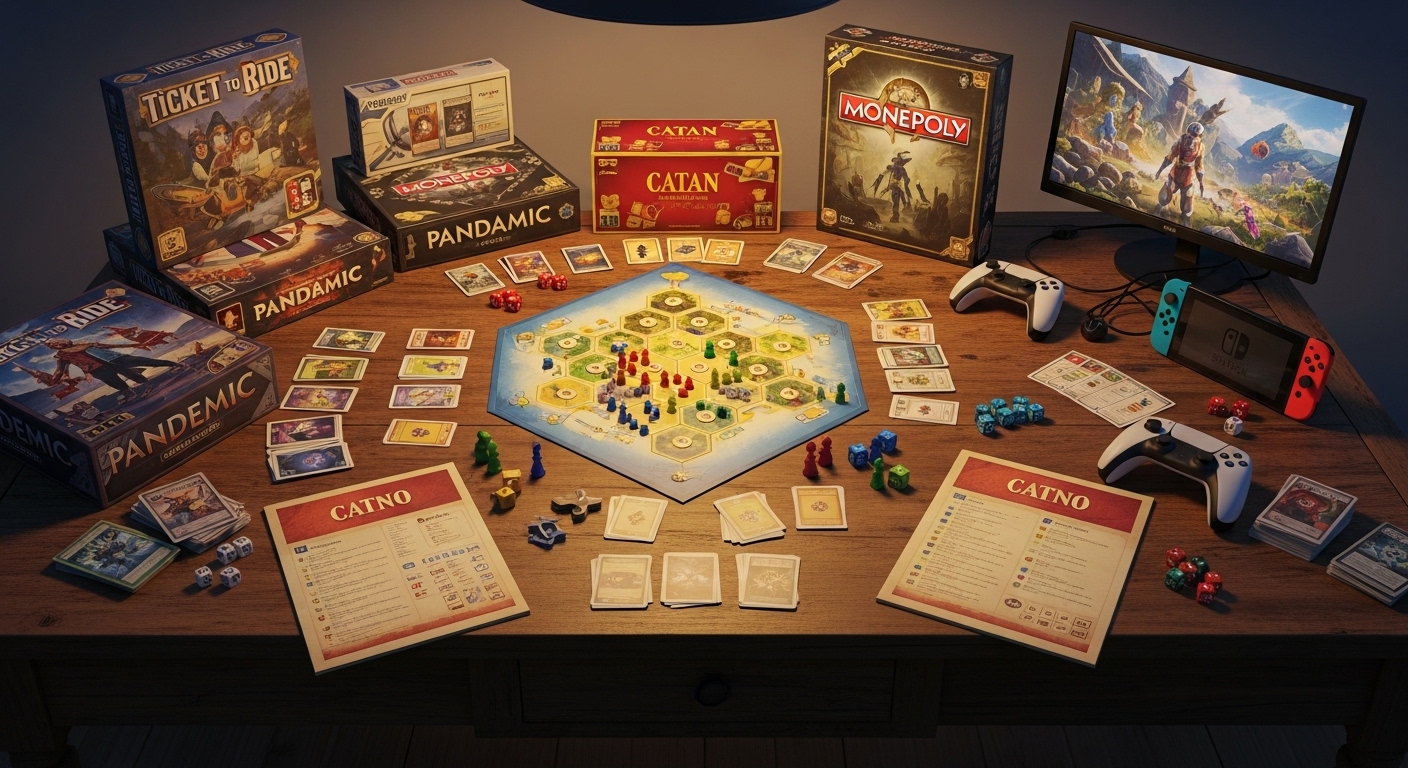
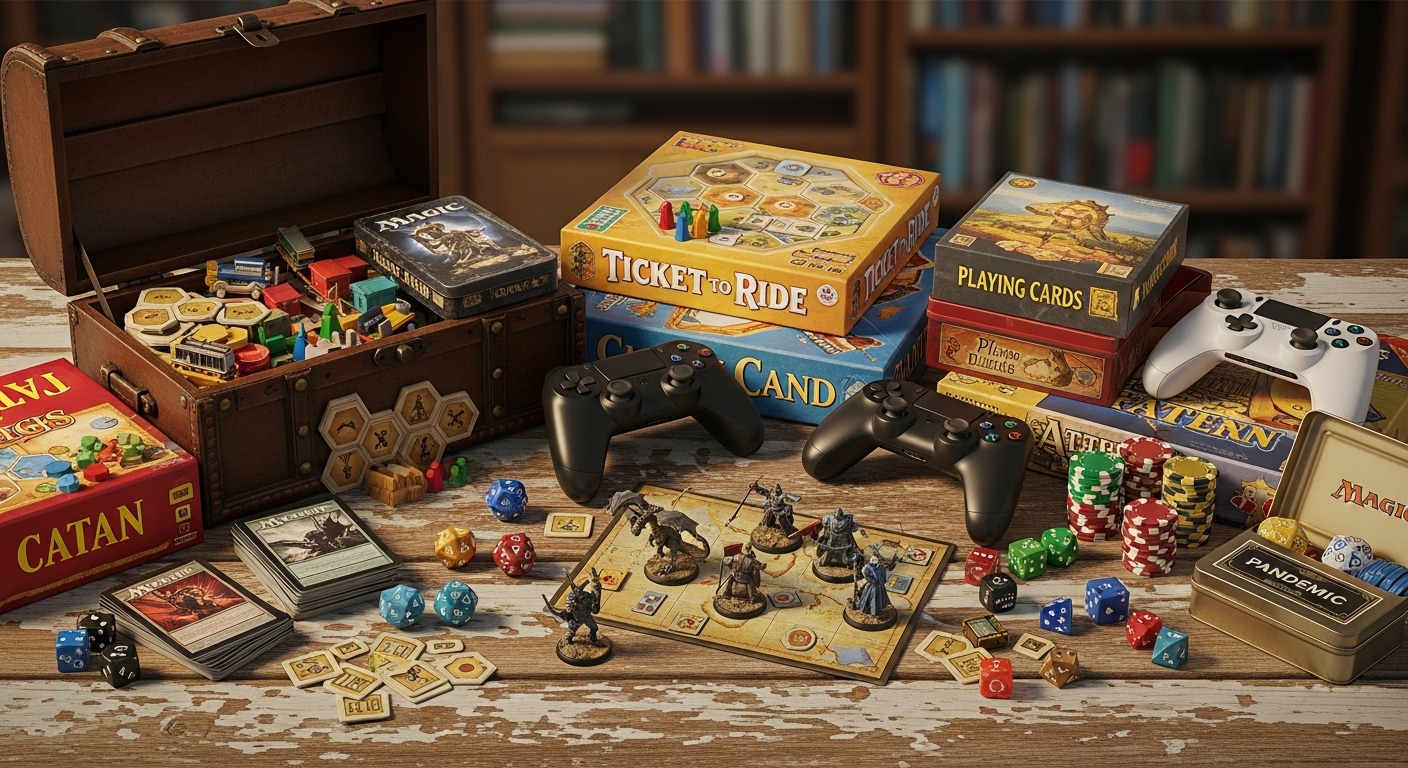
The evolution of games has been shaped by technology, culture, and human creativity. Board games such as chess, checkers, and Monopoly became widely popular, offering structured competition and intellectual challenges. Card games like poker and bridge introduced elements of probability, strategy, and social interaction.
The 20th century saw the rise of video games, transforming gaming into a digital experience. Early games like Pong and Space Invaders sparked a revolution, while titles such as Super Mario, The Legend of Zelda, and Tetris expanded the possibilities of interactive storytelling and gameplay. Today, games span multiple platforms, from consoles and computers to mobile devices, offering immersive experiences and endless ways to play.
Games and Cognitive Development
Games have a profound impact on cognitive development and brain function. Strategy games, puzzles, and simulations improve problem-solving abilities, critical thinking, and decision-making skills. Role-playing games encourage creativity and planning, as players develop strategies and explore complex scenarios.
Research shows that games can also enhance memory, concentration, and spatial awareness. Even simple games that require attention, pattern recognition, or reflexes contribute to mental agility. Playing games is more than entertainment—it is a mental workout that strengthens cognitive abilities and sharpens the mind.
The Social Impact of Games
Games are powerful tools for social interaction and community building. Multiplayer games, both digital and physical, foster cooperation, teamwork, and communication. They provide opportunities for people to bond, collaborate, and engage in healthy competition.
Board games bring families and friends together, creating shared experiences and traditions. Online games connect people across continents, allowing players to form friendships and communities based on shared interests. In a world increasingly connected by technology, games offer a bridge for social interaction and cultural exchange.
Games and Creativity
Creativity is at the heart of gaming. Game design involves storytelling, visual artistry, sound, and interactivity, while players themselves engage in creative problem-solving and experimentation. Sandbox games, such as Minecraft, allow players to construct worlds, craft stories, and innovate freely, encouraging imaginative thinking.
Games also inspire artistic expression outside the digital realm. Fan art, cosplay, and game-inspired music or literature demonstrate how games can influence culture and creativity on a larger scale. They are not merely tools for play—they are platforms for self-expression and innovation.
The Rise of Digital Gaming and Esports
Digital gaming has revolutionized the way people play and experience games. With high-quality graphics, complex mechanics, and online connectivity, video games provide immersive experiences that rival traditional forms of entertainment. From open-world adventures to competitive esports, digital gaming has expanded the possibilities of play.
Esports, in particular, has turned competitive gaming into a professional pursuit. Millions of fans watch tournaments, cheer for teams, and follow their favorite players. This professionalization has created a global industry that combines skill, strategy, and entertainment while offering career opportunities for players, coaches, and content creators.
Games and Education
Games are increasingly used as educational tools, blending learning with engagement. Educational games teach subjects such as math, science, history, and languages while making learning interactive and enjoyable. Simulation games allow students to experiment with real-world scenarios, from running businesses to exploring historical events, without real-world consequences.
Gamification, the application of game mechanics to non-game contexts, has become a popular educational strategy. Points, rewards, and challenges motivate learners, making education more dynamic and personalized. Games are no longer just a pastime—they are instruments for developing skills and knowledge.
The Psychological Benefits of Games
Games offer numerous psychological benefits. They provide an outlet for stress relief, allowing players to escape from daily pressures and immerse themselves in engaging activities. Games also enhance mood, build confidence, and promote a sense of achievement through progress, rewards, and mastery.
Competitive games encourage resilience, as players learn to handle losses, adapt strategies, and strive for improvement. Cooperative games foster empathy and social understanding, teaching players to communicate, negotiate, and collaborate effectively. In this sense, games contribute to emotional intelligence as well as cognitive development.
Cultural Significance of Games
Games are deeply embedded in culture, reflecting social values, history, and human creativity. Traditional games preserve cultural heritage, while modern games often incorporate storytelling, mythology, and art that resonate across cultures.
Games also influence popular culture, inspiring films, books, music, and fashion. Iconic game characters and narratives become part of global consciousness, demonstrating the cultural reach and significance of play. They are not only entertainment—they are reflections of human imagination and society.
The Future of Gaming
The future of gaming is full of innovation and possibilities. Virtual reality and augmented reality are creating immersive experiences that blur the lines between physical and digital worlds. Artificial intelligence is being used to develop smarter game mechanics and adaptive gameplay. Mobile and cloud gaming are making high-quality experiences accessible to broader audiences.
Social and collaborative aspects of gaming will continue to expand. Games will further connect communities, encourage creativity, and provide platforms for education, competition, and personal growth. As technology evolves, games will remain at the forefront of entertainment, culture, and human interaction.
Conclusion: The Enduring Power of Games
Games are more than just entertainment—they are a reflection of human creativity, strategy, and social connection. From ancient board games to modern video games, play has shaped culture, learning, and communication across generations.
Games enhance cognitive skills, foster social bonds, encourage creativity, and provide psychological benefits. They connect people across cultures, inspire artistic expression, and even offer professional opportunities in competitive gaming. As technology continues to evolve, the world of games will continue to grow, innovate, and influence society in meaningful ways.
In essence, games are a timeless and universal force. They entertain, educate, and empower, proving that play is an essential part of the human experience. Through games, people explore new worlds, challenge themselves, connect with others, and express creativity. The world of games is limitless, dynamic, and ever-evolving—a testament to the enduring power of play.