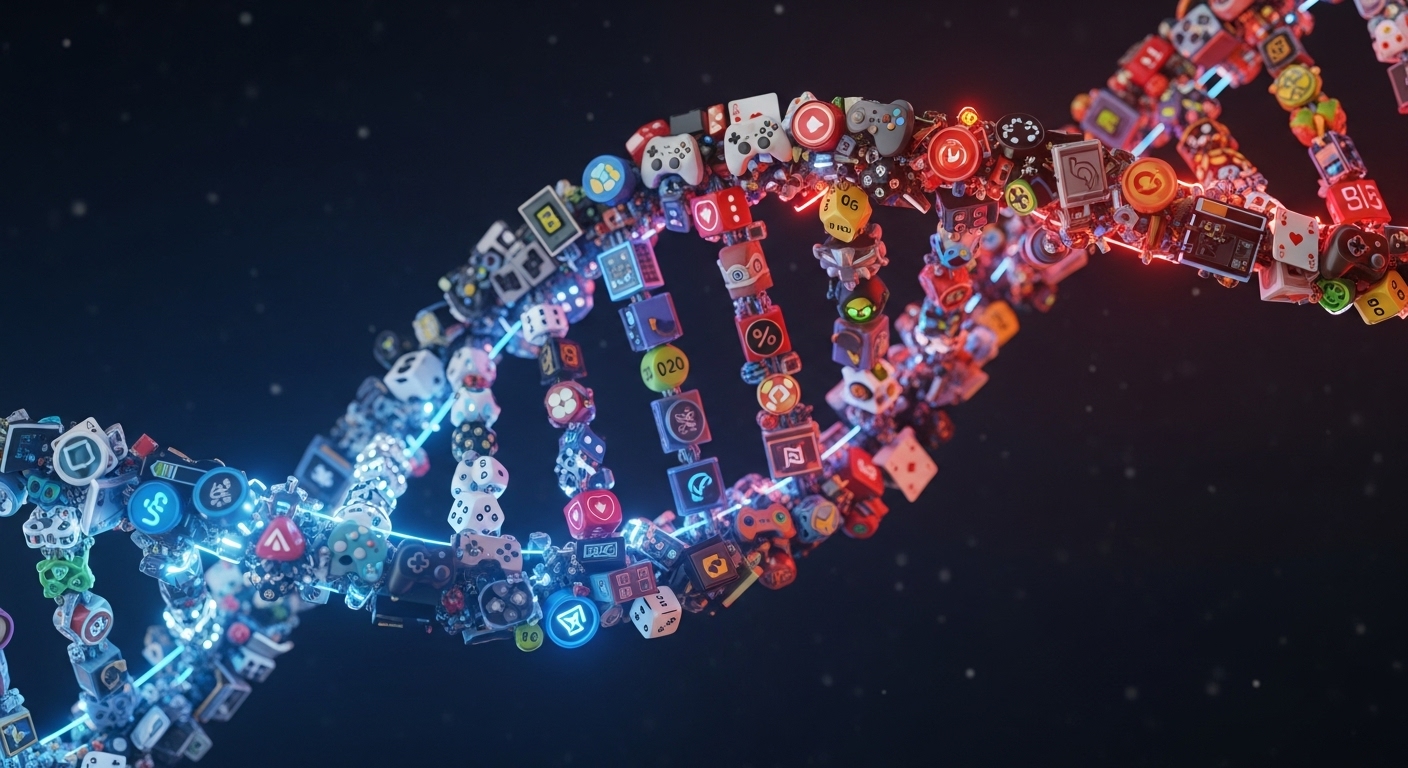

Games have always been more than a way to pass time. From traditional board games to modern video games, they challenge our minds, inspire creativity, and bring people together. Games are not just entertainment—they are a reflection of culture, technology, and human ingenuity.
The Evolution of Games
Games have evolved significantly over the years. Early games focused on strategy and luck, like chess, checkers, and card games. With the rise of technology, digital games emerged, offering immersive experiences that combine storytelling, competition, and exploration. Modern games feature realistic graphics, complex mechanics, and interactive worlds that allow players to engage in ways never possible before.
The Social Impact of Games
Games are powerful tools for connection. Multiplayer and online games enable people to collaborate, compete, and form communities. Players often develop friendships and teamwork skills that extend beyond the virtual world. Beyond entertainment, games foster communication, cooperation, and even leadership, making them valuable social platforms.
Mental and Cognitive Benefits
Playing games isn’t just fun; it’s also good for the brain. Strategy games improve problem-solving and planning skills. Puzzle games enhance memory and focus. Fast-paced games sharpen reflexes and hand-eye coordination. Role-playing and simulation games encourage creativity and empathy by allowing players to step into different perspectives and make meaningful choices.
Games as a Career
The gaming industry has grown into a professional ecosystem. Competitive gaming and esports allow players to earn recognition and income. Careers in game development, programming, design, and storytelling provide creative outlets for talented individuals. Content creation and streaming have also become viable professions, showing that games can be more than a hobby—they can be a career path.
The Future of Gaming
The future of games is bright and innovative. Virtual reality, augmented reality, and cloud gaming are redefining how people play. Artificial intelligence is creating adaptive, dynamic game worlds. Games are becoming increasingly immersive and interactive, offering experiences that blend technology, art, and human connection. The possibilities for gaming are limitless.
Conclusion
Games are more than entertainment—they are tools for learning, social interaction, creativity, and personal growth. They challenge the mind, foster connections, and inspire imagination. Whether you enjoy classic board games, mobile apps, or immersive virtual worlds, games have the power to enrich lives and shape the way we experience the world.