
Introduction
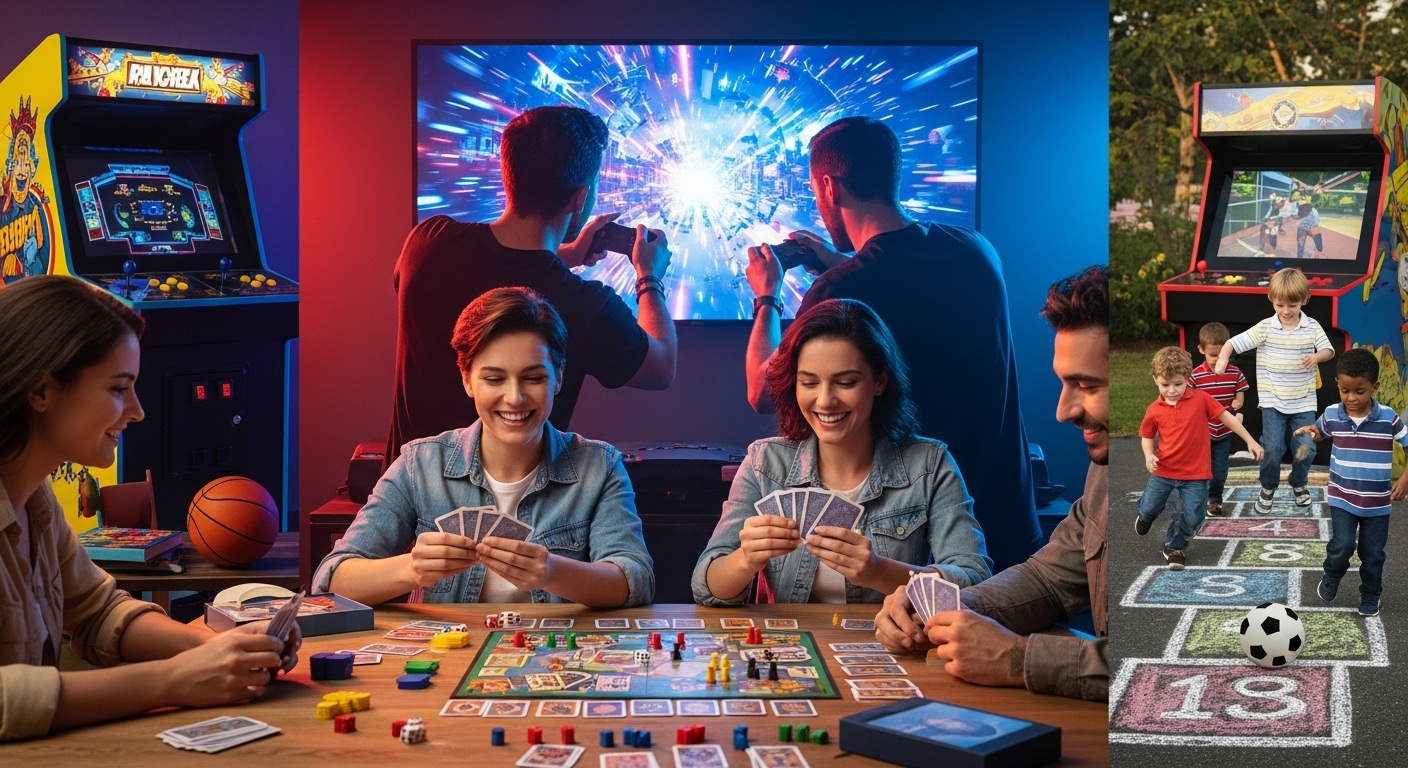
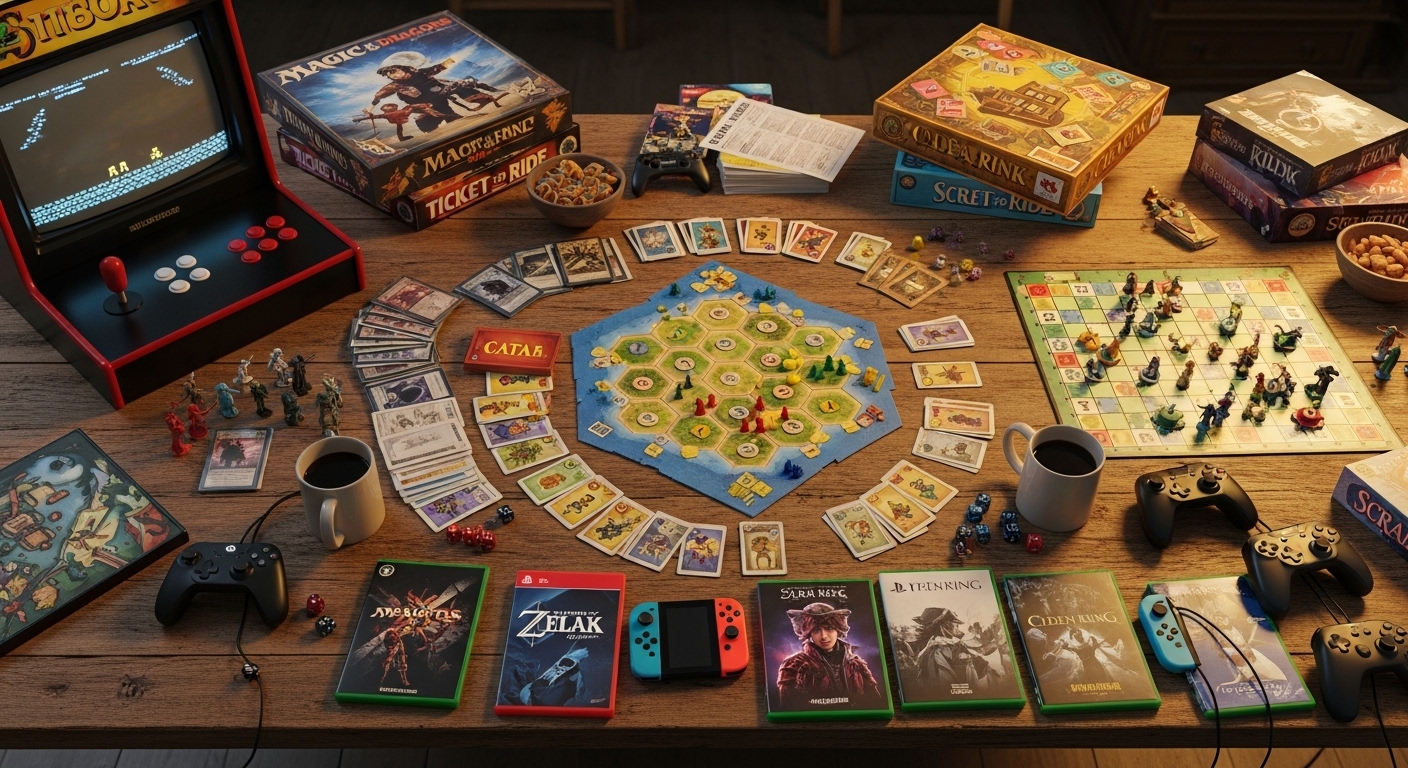
Games have always been more than a way to pass time. They reflect human creativity, challenge our thinking, and bring people together across cultures and generations. From ancient physical games played in open fields to complex digital worlds experienced on screens, games have continuously evolved alongside society. Today, games influence entertainment, education, technology, and even social interaction. Understanding games means understanding how play shapes the human experience in meaningful and lasting ways.
The Historical Roots of Games
The history of games dates back thousands of years. Early civilizations created games using stones, boards, and simple rules to encourage competition and mental sharpness. These games were often connected to cultural traditions, religious beliefs, or training for leadership and warfare. Games like early board strategy games and physical contests helped develop patience, discipline, and strategic thinking. Even in ancient times, games were not just leisure activities but tools for learning and social bonding.
Traditional Games and Human Connection
Traditional games have always played a vital role in building relationships. Games such as chess, checkers, tag, and regional folk games encourage face-to-face interaction. They teach values like fairness, patience, teamwork, and respect for rules. These games often pass from one generation to the next, preserving cultural identity and shared memories. Despite modern advancements, traditional games remain relevant because they offer something digital games cannot fully replace: direct human connection.
The Birth of Digital Gaming
The arrival of digital games marked a turning point in the history of play. Early video games were simple in design but powerful in appeal. With basic visuals and limited mechanics, they captured attention through challenge and progression. As technology advanced, games began offering richer graphics, deeper mechanics, and more immersive experiences. This shift transformed games from small-scale entertainment into a global industry that continues to grow rapidly.
The Growth of Console Gaming
Home gaming consoles changed how people experienced games. They made gaming accessible to households and allowed players to enjoy games privately or with friends and family. Consoles introduced iconic characters and franchises that became part of popular culture. With each new generation, consoles improved performance, graphics, and storytelling. Console gaming helped establish gaming as a mainstream form of entertainment enjoyed by people of all ages.
PC Gaming and Creative Freedom
PC gaming opened new doors for creativity and customization. Unlike consoles, personal computers allowed players to modify games, adjust settings, and even create their own content. This freedom led to the rise of user-created maps, characters, and entire game worlds. PC gaming also supported genres that required complex controls and mechanics. It became a space where innovation thrived and communities formed around shared creativity and competition.
The Rise of Online Multiplayer Games
Online gaming transformed games into social experiences. Players no longer competed only against artificial opponents but against real people from around the world. Online multiplayer games encouraged teamwork, communication, and strategic coordination. Friendships formed through shared victories and defeats. Gaming communities grew stronger as players connected beyond the game itself, discussing strategies, sharing experiences, and supporting one another.
Mobile Games and Everyday Play
Mobile gaming brought games into everyday life. With smartphones becoming common, games became more accessible than ever before. People could play during short breaks, while traveling, or relaxing at home. Mobile games often focus on simplicity and quick engagement, making them appealing to casual players. This accessibility expanded the gaming audience and proved that games do not need advanced hardware to be enjoyable and meaningful.
Games as a Tool for Learning
Games are increasingly used as educational tools. Many games encourage problem-solving, logical thinking, and creativity. Strategy games teach planning and decision-making, while puzzle games sharpen cognitive skills. Educational games help students learn subjects in an interactive and engaging way. By combining entertainment with learning, games make complex concepts easier to understand and remember.
Storytelling Through Games
Modern games have become powerful storytelling platforms. Unlike traditional media, games allow players to actively participate in the story. Players make choices that influence outcomes, creating personalized narratives. This interactivity deepens emotional engagement and makes stories more memorable. Games explore themes such as morality, survival, friendship, and identity, proving that games can tell stories with depth and meaning.
The Emotional Impact of Games
Games can evoke a wide range of emotions. Joy, excitement, fear, sadness, and pride are all common experiences while playing. Achieving a difficult goal can bring satisfaction, while overcoming challenges can build confidence. Emotional connections to characters and stories make games unforgettable. These emotional experiences help explain why games resonate so deeply with players and remain a lasting part of their lives.
The Social Power of Gaming Communities
Gaming communities are an essential part of modern gaming culture. Players gather to share experiences, celebrate achievements, and support each other. These communities often create a sense of belonging, especially for individuals who may feel isolated elsewhere. Gaming brings together people of different backgrounds, ages, and cultures, united by shared interests and goals.
Competitive Gaming and Skill Development
Competitive gaming has highlighted the skill-based nature of games. Success in competitive environments requires practice, discipline, and teamwork. Players must develop quick decision-making, coordination, and adaptability. Competitive gaming has shown that games are not just luck-based activities but structured challenges that reward dedication and skill. This has changed how society views gaming as a legitimate pursuit.
The Role of Technology in Modern Games
Technology continues to push the boundaries of what games can achieve. Advanced graphics create realistic worlds, while artificial intelligence makes gameplay more dynamic and responsive. Virtual environments feel more alive than ever before. Technology enhances immersion and allows developers to create experiences that were once unimaginable. As technology evolves, games will continue to grow in complexity and realism.
Challenges Within the Gaming World
Despite their benefits, games also present challenges. Excessive play can lead to unhealthy habits if not balanced properly. Online spaces sometimes face issues like negative behavior and lack of moderation. Developers and players share responsibility in promoting positive gaming environments. Awareness, balance, and responsible design are essential to ensure that games remain enjoyable and beneficial.
Games as Cultural Expression
Games reflect the cultures and societies in which they are created. They incorporate art, music, language, and traditions from around the world. Through games, players can experience different perspectives and explore diverse environments. This cultural exchange helps promote understanding and appreciation among players globally. Games have become a modern form of cultural storytelling.
The Future of Games
The future of games promises even greater innovation. Games may become more personalized, adaptive, and immersive. New technologies will allow deeper interaction and creativity. As games continue to influence entertainment, education, and communication, their role in society will expand further. The future will likely see games becoming even more integrated into daily life.
Conclusion
Games are far more than simple entertainment. They are tools for learning, connection, creativity, and self-expression. From ancient traditions to modern digital worlds, games have evolved while maintaining their core purpose: to engage and inspire. As technology advances and creativity grows, games will continue to shape how people play, learn, and connect. In every form they take, games remain a powerful reflection of human imagination and the universal joy of play.