Introduction
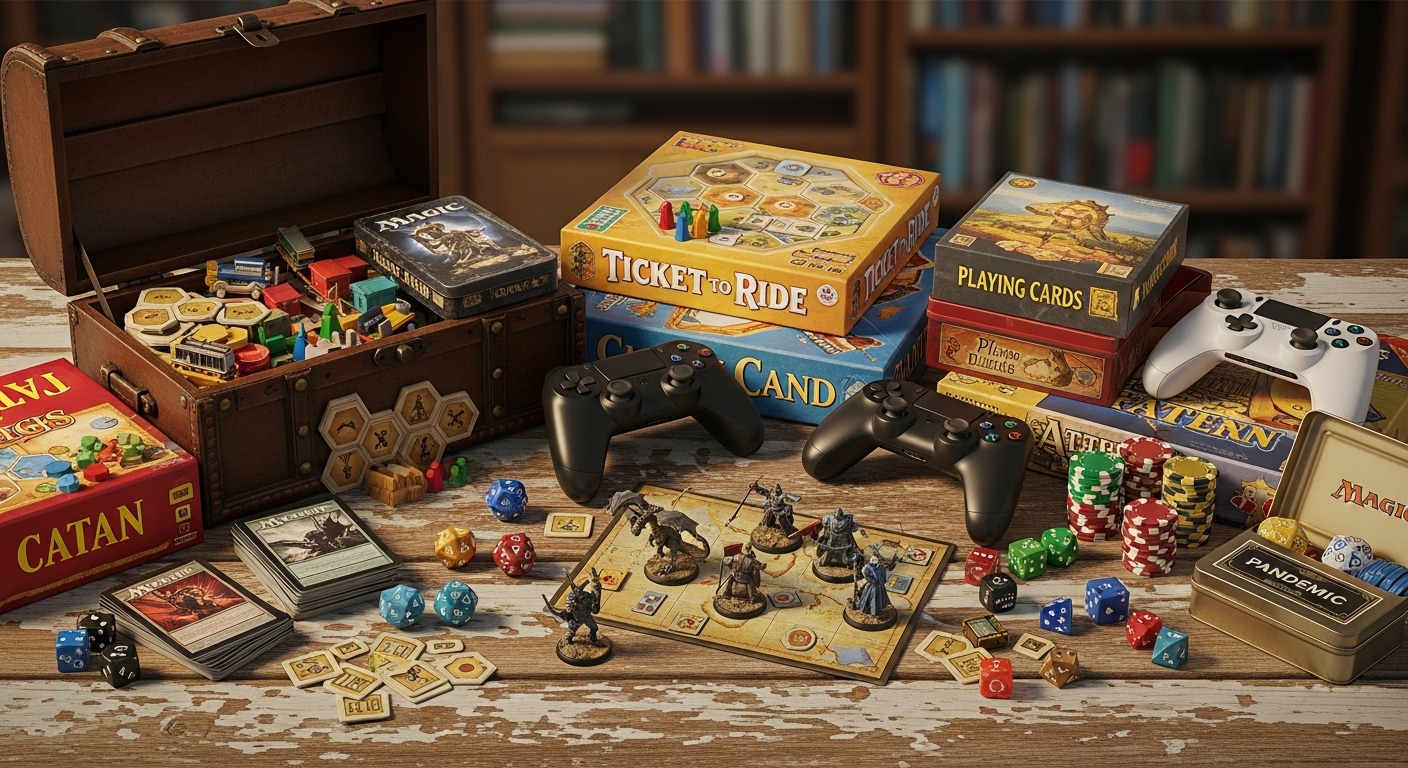
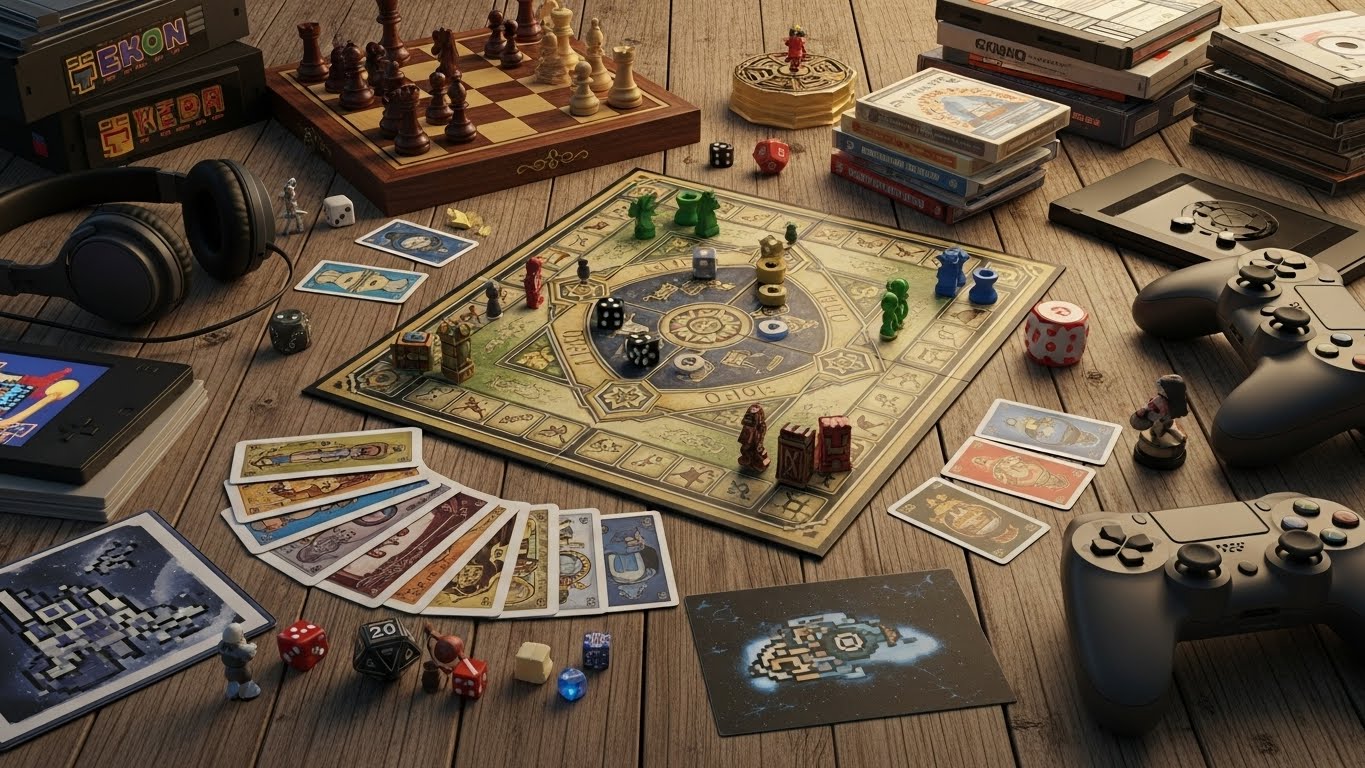
Games have been an integral part of human culture for centuries, serving as both entertainment and a tool for learning and social interaction. From traditional board games to the latest virtual reality experiences, gaming has evolved into a dynamic and multifaceted industry. Modern games are more than simple pastimes; they are complex systems of strategy, creativity, and storytelling. This blog delves into the history, evolution, impact, and future of games, highlighting why they hold such a vital place in society today.
The Origins of Games
The history of games stretches back thousands of years. Archaeologists have discovered ancient board games, dice, and other game-related artifacts in civilizations such as Egypt, Mesopotamia, and China. These early games served multiple purposes: they were a source of entertainment, a way to practice strategy, and even a method for teaching moral lessons. Games like Senet in Egypt and Go in China combined skill, chance, and social interaction, showing that even in ancient times, humans valued games for more than mere amusement.
The Rise of Traditional Games
Traditional games, such as chess, checkers, and card games, have long been beloved around the world. These games often focus on strategy, critical thinking, and competition. Chess, for instance, is considered one of the most intellectually stimulating games, requiring foresight, planning, and adaptation. Card games like poker or bridge blend strategy with probability and psychology, offering entertainment that challenges the mind. Traditional games continue to thrive today, forming the basis for many modern gaming concepts.
The Birth of Video Games
The video game revolution began in the 1970s with the emergence of arcade machines and early home consoles. Games such as Pong and Space Invaders captured the imagination of players with their simple yet addictive gameplay. This era marked the transition from purely physical or tabletop games to digital experiences, opening up new possibilities for interactive entertainment. Early video games emphasized skill, timing, and coordination, and they quickly grew into a major cultural phenomenon.
The Evolution of Home Consoles
Home gaming consoles transformed the way people interacted with games. The Atari 2600, Nintendo Entertainment System, and Sega Genesis brought the arcade experience into living rooms, making games more accessible to a broader audience. Consoles introduced cartridge-based games that allowed for longer and more complex gameplay. The rise of home consoles also promoted social gaming, enabling families and friends to play together, creating shared experiences and lifelong memories.
The Expansion of PC Gaming
Personal computers revolutionized gaming by offering flexibility, customization, and advanced capabilities. PC gaming allowed for more complex graphics, immersive storytelling, and multiplayer experiences. Titles like Doom, Warcraft, and StarCraft pioneered online multiplayer gameplay, laying the groundwork for the modern eSports industry. PCs also offered modding communities, enabling players to create and customize game content, which fostered creativity and engagement. PC gaming became both a competitive and creative outlet, offering experiences that consoles could not initially provide.
Online Gaming and Multiplayer Worlds
The rise of the internet transformed gaming into a global social experience. Online multiplayer games allowed players to connect, collaborate, and compete with others worldwide. Games like World of Warcraft, Counter-Strike, and Fortnite created massive virtual communities where skill, strategy, and teamwork determined success. Online gaming also introduced new forms of interaction, from guilds and clans to streaming and live content creation. This era of gaming blurred the lines between solo play and social experience, making gaming a shared cultural phenomenon.
Mobile Gaming and Accessibility
The advent of smartphones and tablets brought gaming to a broader and more casual audience. Mobile games like Angry Birds, Candy Crush, and Clash of Clans became global sensations, proving that gaming is not limited to consoles or PCs. Mobile games emphasize accessibility, short play sessions, and innovative mechanics, appealing to people of all ages and backgrounds. Mobile gaming has also introduced social features, leaderboards, and in-app events that enhance engagement, making it a dynamic platform for both casual and competitive play.
The Impact of Gaming on Society
Gaming has far-reaching impacts beyond entertainment. It promotes problem-solving, critical thinking, and strategic planning. Many games encourage collaboration and communication through multiplayer modes. Gaming communities foster social interaction, creativity, and even philanthropy through charitable events. Additionally, games often explore cultural themes, narratives, and moral dilemmas, offering players opportunities to learn and empathize with diverse perspectives. Gaming has grown from a simple pastime into a meaningful cultural and educational force.
The Rise of eSports and Competitive Gaming
Competitive gaming, or eSports, has turned gaming into a professional and spectator sport. Tournaments for games like League of Legends, Dota 2, and Call of Duty attract millions of viewers worldwide. eSports provides opportunities for players to build careers, sponsors to invest, and fans to engage in shared experiences. Professional gaming emphasizes skill, practice, and teamwork, highlighting that gaming requires dedication and talent comparable to traditional sports. eSports has also driven the development of gaming technology, broadcasting innovations, and community engagement.
The Psychological and Cognitive Benefits of Gaming
Contrary to common misconceptions, gaming can provide cognitive and psychological benefits. Strategy and puzzle games improve problem-solving skills, memory, and analytical thinking. Action games enhance hand-eye coordination and reflexes, while role-playing games foster creativity and storytelling abilities. Social games and online interactions can improve communication skills, empathy, and teamwork. Gaming can also serve as stress relief, providing players with immersive worlds that distract from everyday pressures and encourage relaxation.
Challenges and Controversies in Gaming
While gaming offers numerous benefits, it also faces challenges and criticism. Issues such as addiction, excessive screen time, and exposure to inappropriate content are often highlighted. Online communities may experience toxicity, harassment, or cheating, affecting the player experience. Developers face pressure to balance monetization with fairness and ethical responsibility. Addressing these challenges requires awareness, moderation, and ongoing innovation to create safe, engaging, and healthy gaming environments.
The Role of Storytelling in Games
One of the most remarkable aspects of modern games is their ability to tell compelling stories. Games like The Last of Us, Red Dead Redemption, and The Witcher series offer rich narratives with complex characters, emotional depth, and player-driven choices. Interactive storytelling allows players to shape the outcome of events, creating unique experiences that vary from person to person. This immersive quality makes games more than entertainment—they become a form of art that engages the mind and emotions.
Technological Innovations Driving Gaming
Gaming technology continues to push boundaries. High-definition graphics, realistic physics, artificial intelligence, virtual reality, and augmented reality have elevated the gaming experience to unprecedented levels. Virtual reality immerses players in entirely new worlds, while cloud gaming enables high-quality play on devices without advanced hardware. Technology not only enhances visuals but also improves gameplay mechanics, storytelling, and social interaction, ensuring that gaming remains a cutting-edge form of entertainment.
The Future of Gaming
The future of gaming promises even greater innovation. As technology advances, games will become more immersive, interactive, and personalized. Artificial intelligence may generate dynamic storylines, while virtual and augmented reality could redefine the boundaries between the real and digital worlds. Gaming will continue to evolve as a cultural, social, and educational platform, offering experiences that are increasingly engaging and impactful. The possibilities are limitless, and the next generation of games will likely surprise and inspire players in ways we cannot yet imagine.
Conclusion
Games have evolved from simple pastimes to complex, multifaceted experiences that entertain, educate, and connect people worldwide. From ancient board games to modern virtual worlds, gaming reflects human creativity, innovation, and social interaction. It challenges the mind, fosters collaboration, and provides meaningful cultural experiences. As technology and storytelling continue to advance, gaming will remain a vibrant and transformative force in society. Whether played casually or professionally, gaming offers something for everyone, inviting players into interactive worlds where imagination knows no bounds.