
Introduction: More Than Just Play
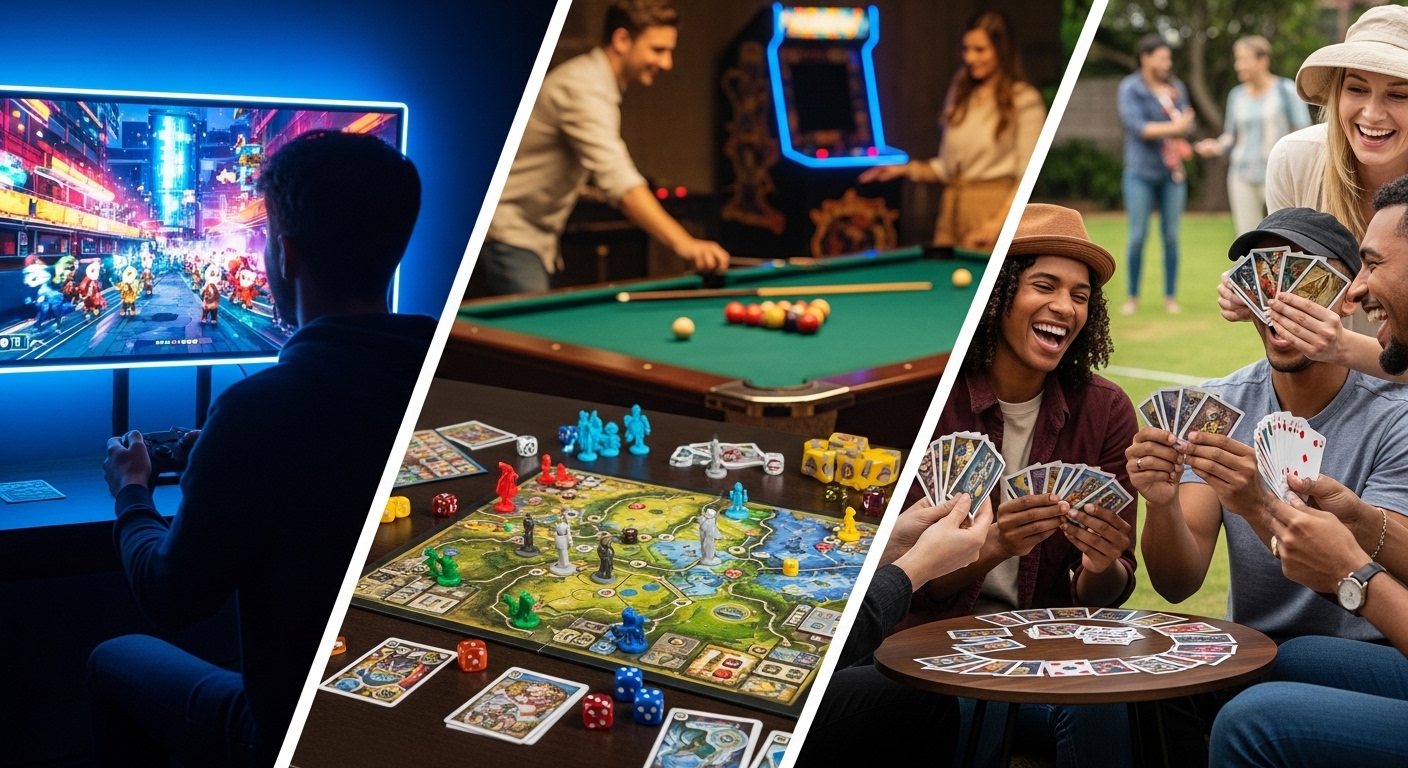
Games are no longer simple pastimes designed only to pass time. Over the years, they have transformed into powerful experiences that blend storytelling, art, psychology, technology, and human emotion. From ancient board games carved in stone to massive digital worlds shared by millions, games reflect how people think, dream, compete, and connect. Today, gaming is a cultural force that shapes entertainment, education, and even the way we understand ourselves. This blog explores games not as products, but as living experiences that continue to evolve alongside humanity.
The Evolution of Games Through History
Games have existed for thousands of years, long before electricity or screens. Early civilizations created games to teach strategy, cooperation, and survival skills. Chess, for example, was not just a game but a lesson in leadership and foresight. Traditional sports and physical games strengthened bodies and communities, while board and card games sharpened the mind.
As technology advanced, games began to change form. The invention of computers introduced digital games that could simulate worlds beyond physical limits. Early arcade games were simple but addictive, relying on quick reflexes and repetition. Home consoles later brought gaming into living rooms, making it a shared family activity. Each generation of games built upon the last, expanding what was possible and redefining what play could mean.
Storytelling: When Games Become Interactive Narratives
One of the most remarkable changes in modern games is the rise of deep storytelling. Unlike books or films, games allow players to become part of the story. Choices matter, consequences unfold, and players feel responsible for the outcomes they experience. This interactive nature creates emotional connections that are often stronger than those formed through passive media.
Many games explore complex themes such as morality, loss, identity, and hope. Players are not just observers but participants who shape the narrative. This form of storytelling encourages empathy, as players see the world through the eyes of different characters. In this way, games become a unique storytelling medium that blends art and agency into a single experience.
The Psychology of Play and Motivation
At their core, games are carefully designed systems that motivate players to keep going. Rewards, challenges, progression, and feedback are all structured to engage the human brain. Completing a difficult task releases satisfaction, while gradual improvement builds confidence. These psychological principles explain why games can be so engaging and, at times, difficult to put down.
Games also provide a safe space to fail. Unlike real life, failure in a game is not permanent. Players can retry, learn, and improve without serious consequences. This encourages experimentation and resilience. For many people, games offer a sense of control and achievement that may be missing in other areas of life.
Social Connection in Gaming Worlds
Gaming is often misunderstood as a solitary activity, but in reality, it is deeply social. Multiplayer games allow people from different cultures and backgrounds to interact, cooperate, and compete. Friendships are formed, teamwork is tested, and communication skills are developed through shared goals.
Online games, in particular, have created virtual communities where players feel a sense of belonging. These communities often extend beyond the game itself, becoming support networks and social spaces. For some, games provide meaningful connections that are just as real as those formed face to face. In a world that can sometimes feel isolating, games offer a way to connect through shared passion.
Games as a Tool for Learning and Growth
Beyond entertainment, games have proven to be powerful educational tools. Many games teach problem-solving, critical thinking, and strategic planning without feeling like traditional lessons. Players learn through doing, which often leads to deeper understanding and retention.
Educational games are used in schools to teach subjects such as mathematics, history, and science in engaging ways. Simulation games allow players to experiment with systems like cities, ecosystems, or economies, helping them understand cause and effect. Even non-educational games can improve skills such as hand-eye coordination, decision-making, and adaptability.
Artistic Expression and Game Design
Games are a blend of many art forms. Visual design, music, writing, and performance all come together to create immersive experiences. Some games focus on realism, while others embrace abstract or stylized aesthetics. Each artistic choice contributes to the mood and message of the game.
Game designers act as both artists and engineers. They must balance creativity with structure, ensuring that the game is not only beautiful but also functional and enjoyable. The best games use art to enhance gameplay, guiding players emotionally and visually through the experience. This fusion of art and technology makes games one of the most complex creative mediums today.
Challenges and Controversies in Gaming
Despite their many positives, games also face criticism and challenges. Concerns about addiction, excessive screen time, and violent content are often discussed. Like any powerful medium, games can have negative effects if not approached with balance and awareness.
The gaming industry also faces issues related to inclusivity, representation, and ethical design. As games reach a wider audience, there is growing responsibility to create experiences that are respectful and accessible to all players. Addressing these challenges requires collaboration between developers, players, and society as a whole.
The Future of Games and Interactive Experiences
The future of gaming is full of possibility. Advances in technology continue to push boundaries, allowing for more immersive and personalized experiences. Games are becoming more adaptive, responding to player behavior in dynamic ways. This evolution suggests a future where games feel even more alive and responsive.
As games continue to grow, they may blur the lines between entertainment, education, and social interaction. They have the potential to shape how people learn, connect, and express themselves. Rather than replacing reality, games may become tools that help people better understand and navigate it.
Conclusion: Why Games Truly Matter
Games are more than digital distractions or simple forms of entertainment. They are reflections of human creativity, curiosity, and connection. Through play, people explore new worlds, face challenges, and discover parts of themselves they might not otherwise encounter. Games teach, inspire, and bring people together in ways few other mediums can.
As gaming continues to evolve, its impact on culture and society will only grow stronger. Understanding games as meaningful experiences allows us to appreciate their value beyond the screen. In the end, games matter because they remind us that play is not the opposite of seriousness, but an essential part of being human.