
Introduction
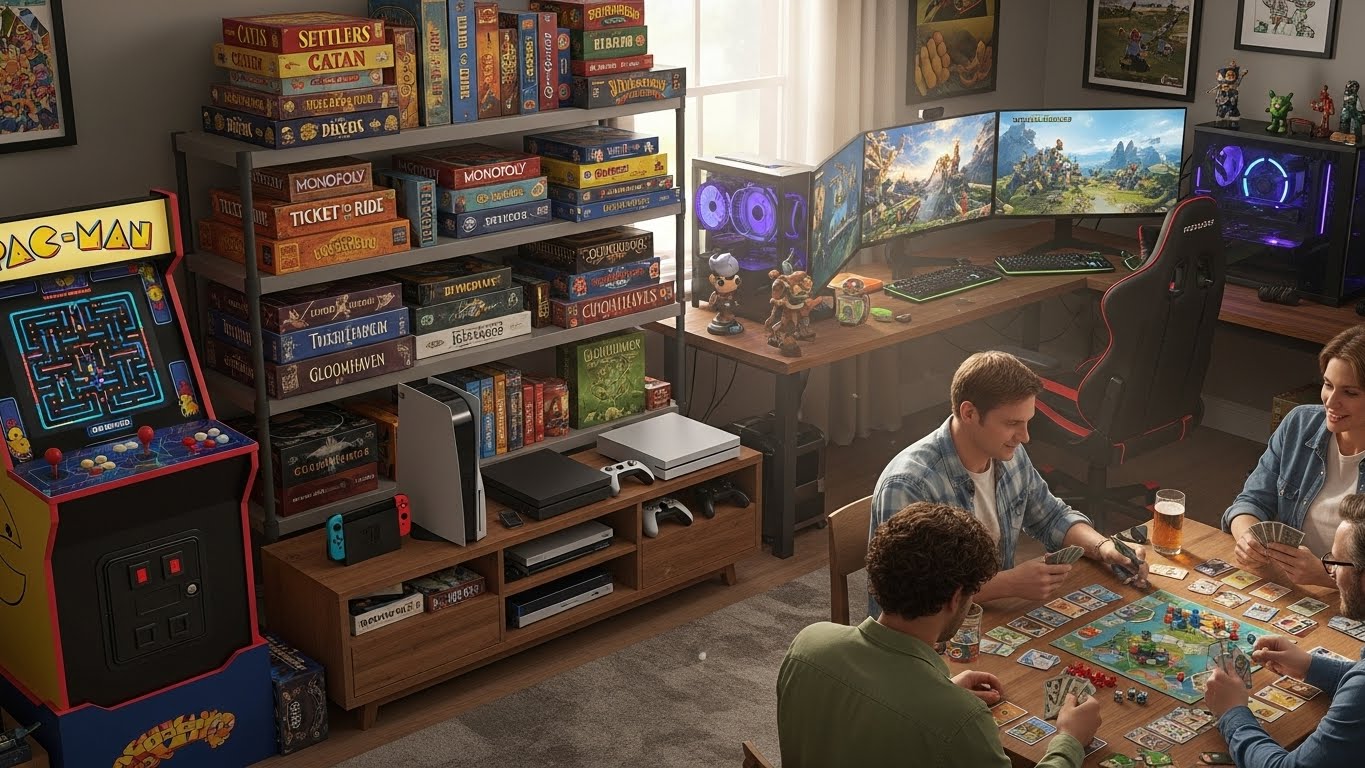
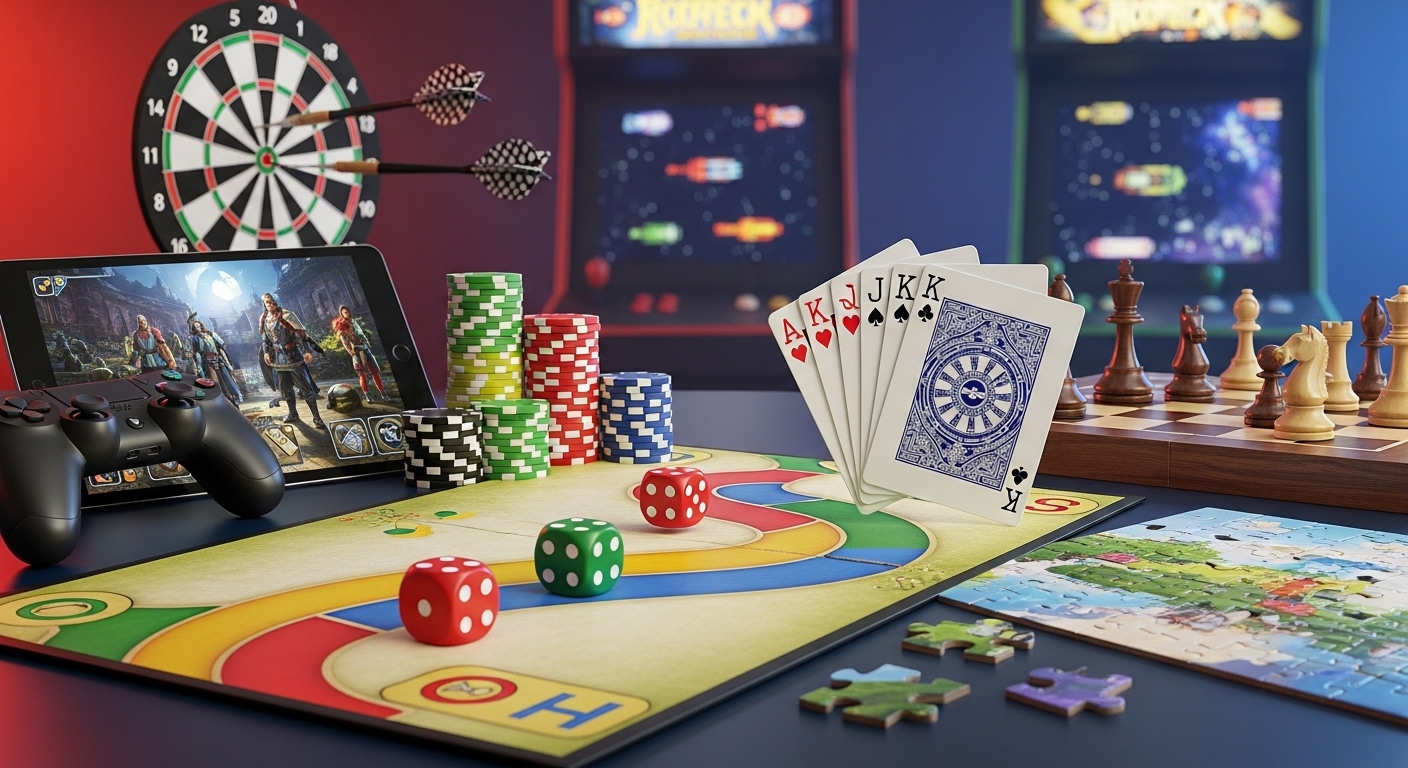
Games have always been more than just a source of amusement. They are a reflection of human creativity, strategy, and imagination. From ancient times to the digital era, games have connected people, sharpened minds, and created shared experiences that transcend age, culture, and geography. Whether it is a traditional board game, a playground activity, or a cutting-edge digital experience, games have shaped how we think, interact, and express ourselves. This blog explores the evolution of games, their impact on society, and why they remain an essential part of human life.
The Ancient Roots of Play
Before screens and joysticks, people found joy in simple forms of play. Archaeological discoveries show that games have existed for thousands of years. Ancient Egyptians played Senet, a game that symbolized the journey of the soul. The Chinese played Go, a game of strategy still enjoyed today. The Greeks and Romans entertained themselves with dice and athletic competitions that inspired modern sports.
These ancient games served more than recreational purposes. They taught strategy, patience, and social skills. They reflected the values and beliefs of societies and were often tied to religion or philosophy. Play was seen as a way to understand the world, improve intellect, and strengthen social bonds. The love for play was universal—it existed in every culture, adapting to local traditions and materials.
The Birth of Modern Games
As time passed, games evolved alongside human civilization. The Industrial Revolution introduced mass production, which allowed board games and playing cards to become household items. Games like Monopoly, Scrabble, and Chess became popular for their mix of strategy and luck. Families would gather around tables to play together, creating memories and traditions that lasted for generations.
In the 20th century, technological advancements brought a new form of play—video games. Simple yet fascinating games like Pong, Space Invaders, and Pac-Man introduced people to digital entertainment. The colorful worlds of Mario, Sonic, and Zelda soon followed, transforming gaming into a cultural phenomenon. Consoles like Nintendo, PlayStation, and Xbox became household names, and video games started influencing art, music, and storytelling.
The Rise of Digital Entertainment
The rise of video games changed the landscape of entertainment forever. What started with pixelated screens and simple mechanics has now become a sophisticated blend of art and technology. Modern games feature lifelike graphics, complex narratives, and expansive worlds that players can explore for hours.
The introduction of online gaming connected people from across the globe. Players could now compete or collaborate in real time, forming friendships and communities that existed entirely in virtual worlds. Online multiplayer games turned gaming into a shared experience rather than a solitary one. Titles like Fortnite, Minecraft, and Call of Duty demonstrated the power of global connectivity, where millions could play together regardless of location.
Gaming has also become a storytelling medium, rivaling the emotional depth of films and literature. Games like The Last of Us, God of War, and Red Dead Redemption immerse players in rich narratives that explore love, loss, and morality. These experiences show that gaming is not just about fun—it is an art form that evokes emotion and thought.
The Power of Play in Human Development
Games are not just entertainment; they play an essential role in human growth and learning. Psychologists have long recognized the importance of play in childhood development. Through play, children learn to solve problems, develop social skills, and build confidence. Games encourage imagination and help players adapt to challenges.
Even in adulthood, games serve as tools for relaxation and mental stimulation. Strategy and puzzle games enhance cognitive skills, while team-based games improve communication and coordination. The act of playing encourages creativity, critical thinking, and emotional regulation. It reminds us that learning and joy can coexist.
Gamification—using game mechanics in non-gaming settings—has also become a powerful trend in education and business. Schools use game-based learning to make subjects engaging, while companies use game-inspired systems to motivate employees. This proves that the spirit of play can enhance productivity and inspire innovation.
Games as a Social Connector
Games have a unique ability to bring people together. Whether it is a family playing a board game on a rainy evening or friends teaming up in an online match, games create shared experiences. They encourage teamwork, communication, and empathy.
Online gaming has created vast digital communities. Players collaborate, compete, and form friendships that can last a lifetime. For many, gaming provides a sense of belonging. It breaks barriers of distance, culture, and language, connecting people through shared passion and play.
Multiplayer experiences and live events have turned gaming into a social phenomenon. Virtual concerts, digital festivals, and global tournaments attract millions of participants and viewers. In a world where social interaction often happens online, games have become one of the most powerful tools for human connection.
The Rise of Competitive Gaming
Competitive gaming, also known as eSports, has grown into a global industry. What began as small arcade competitions has evolved into massive events filling entire stadiums. Players train for hours, mastering precision, reflexes, and strategies to outperform their rivals.
eSports is now recognized as a legitimate form of competition. Professional players earn sponsorships, salaries, and fame comparable to traditional athletes. Fans watch their favorite teams compete in tournaments streamed to millions of viewers worldwide.
This rise in competitive gaming has not only changed how people view games but also opened career opportunities. From commentators and coaches to developers and event organizers, the industry continues to expand, proving that gaming can be both passion and profession.
Games and Technology: A Perfect Partnership
The evolution of games is inseparable from technological progress. Every generation of gaming technology brings new possibilities. High-performance consoles and gaming PCs deliver stunning visuals and smooth performance. Artificial intelligence enhances gameplay, making virtual characters behave realistically.
Virtual Reality (VR) and Augmented Reality (AR) have taken gaming to new dimensions. With VR headsets, players can step directly into digital worlds, experiencing immersion like never before. AR games blend reality with imagination, allowing players to interact with their surroundings in playful ways.
Cloud gaming is another innovation changing how people play. It allows players to stream games directly from servers without needing powerful hardware. This technology makes gaming more accessible and affordable, expanding the player base globally.
The future promises even more integration of advanced technologies such as artificial intelligence, haptic feedback, and even neural interfaces that could respond to a player’s emotions and thoughts.
Games as Art and Storytelling
Games have evolved into a powerful medium for artistic expression. Developers use games to tell stories, explore ideas, and evoke emotions. Every visual detail, sound effect, and musical score contributes to creating immersive worlds that feel alive.
Unlike movies or books, games allow players to participate in the story. They make decisions that influence the outcome, creating a personal connection to the narrative. This interactivity makes gaming a deeply emotional experience.
Independent developers have also contributed to the artistic growth of games. Indie games often take creative risks, exploring unconventional themes like loneliness, hope, and identity. Through innovation and storytelling, these creators prove that games are as much about emotion and reflection as they are about entertainment.
The Cultural and Economic Impact of Games
The gaming industry is now one of the largest and most influential sectors in entertainment. It surpasses movies and music in revenue, generating billions each year. Beyond the economy, gaming has shaped modern culture. Characters, music, and styles from games appear in fashion, film, and art.
Games also influence social and cultural awareness. Many titles address serious themes such as environmental conservation, politics, and mental health. They give players the opportunity to experience different perspectives and understand complex issues in interactive ways.
Furthermore, gaming has created a new global culture. Gaming conventions, cosplay, and fan art celebrate creativity and community. It has become a shared language across nations, uniting players of all backgrounds under one banner of play.
The Future of Games: Infinite Horizons
The future of gaming is filled with possibilities. As technology evolves, the lines between the physical and digital worlds will continue to blur. Virtual reality will become more immersive, artificial intelligence will create smarter worlds, and cloud gaming will make high-quality experiences accessible to everyone.
The concept of the metaverse—a shared digital universe—promises a future where games, work, and social interaction merge into one continuous experience. Players will not only play but live and express themselves within these interconnected digital worlds.
Sustainability and inclusivity will also play a major role in shaping the future of games. Developers are working toward environmentally friendly practices and ensuring that gaming remains accessible to people of all abilities and backgrounds.
Conclusion
Games are much more than entertainment. They are reflections of human creativity, tools for learning, and bridges that connect people. From ancient board games to futuristic digital realities, the spirit of play continues to evolve with humanity. Games challenge our minds, strengthen our bonds, and inspire our imaginations.
The beauty of games lies in their universal appeal—they belong to everyone. They teach us strategy, patience, and empathy while giving us joy and excitement. As technology and culture continue to change, games will remain a timeless form of expression and connection.
In every move, every decision, and every story, games remind us that play is at the heart of what it means to be human. Whether physical or digital, simple or complex, games will always hold the power to bring people together and make the world a little more playful.